




Harnesses
Security and Comfort in One Piece of Gear
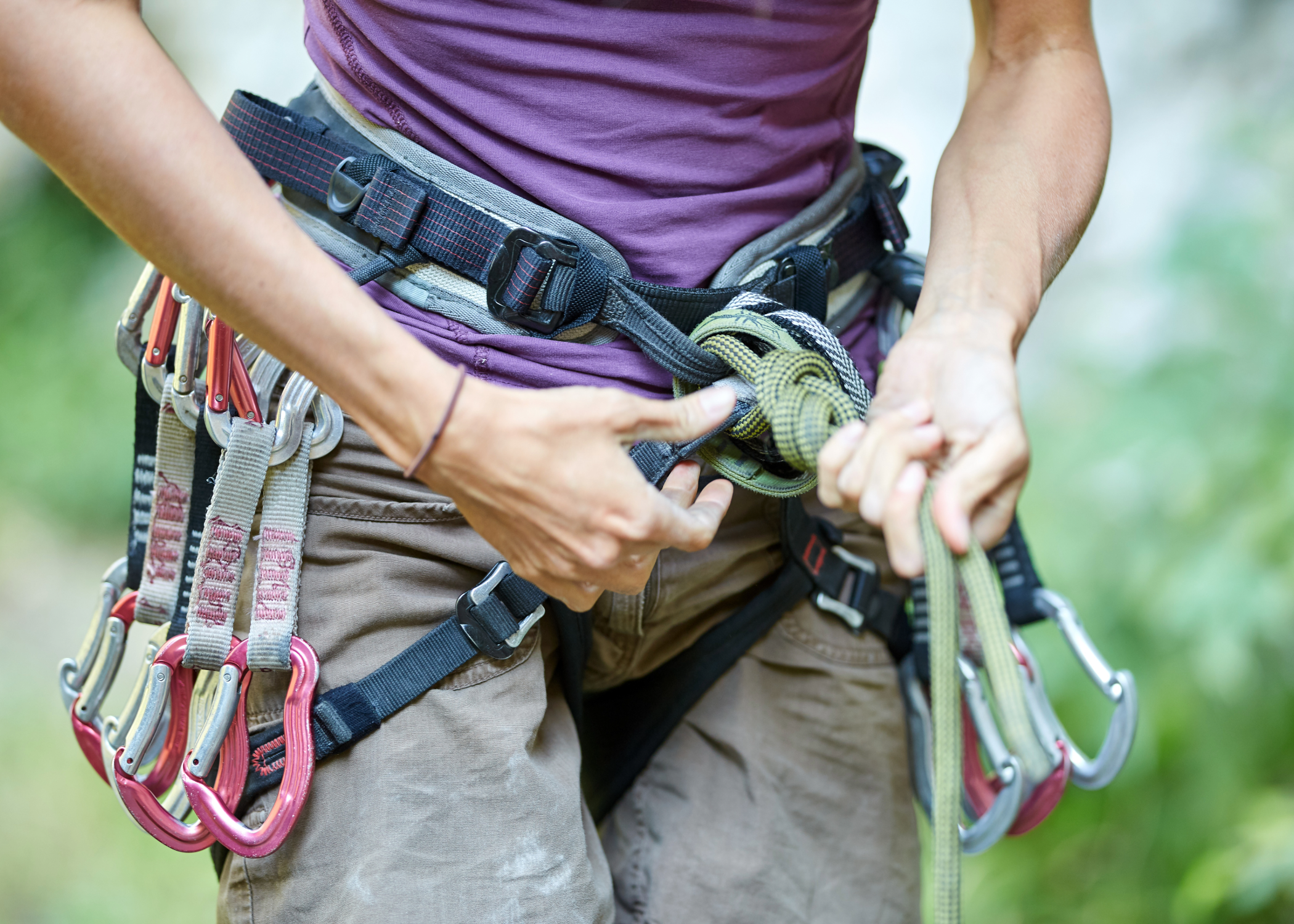
A good harness disappears when you climb. It distributes weight comfortably, moves with your body, and keeps you secure when it matters most. Whether you’re glacier climbing, rappelling, or belaying, these guide-tested harnesses balance safety, comfort, and adjustability for every mountain objective.
Field Tested · Guide Endorsed
Guide Picks
Skip the browsing — pick from the cream of the crop. Like our tagline says, we simplify outfitting.
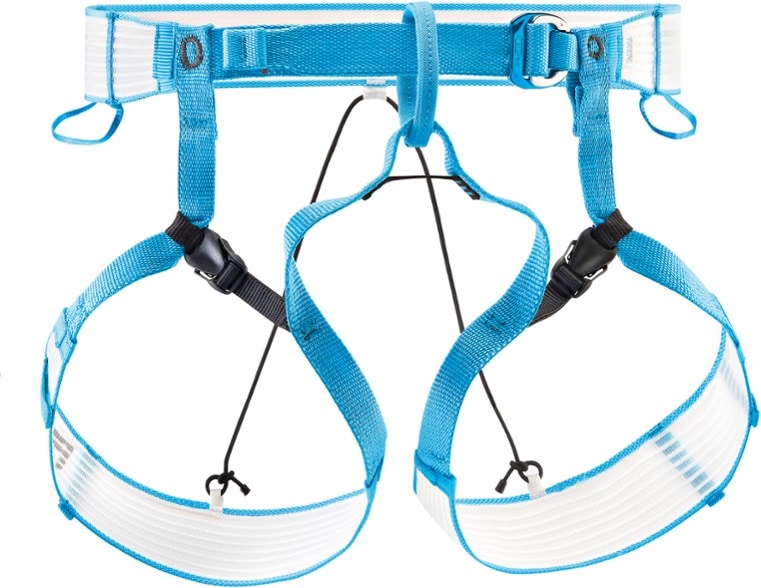
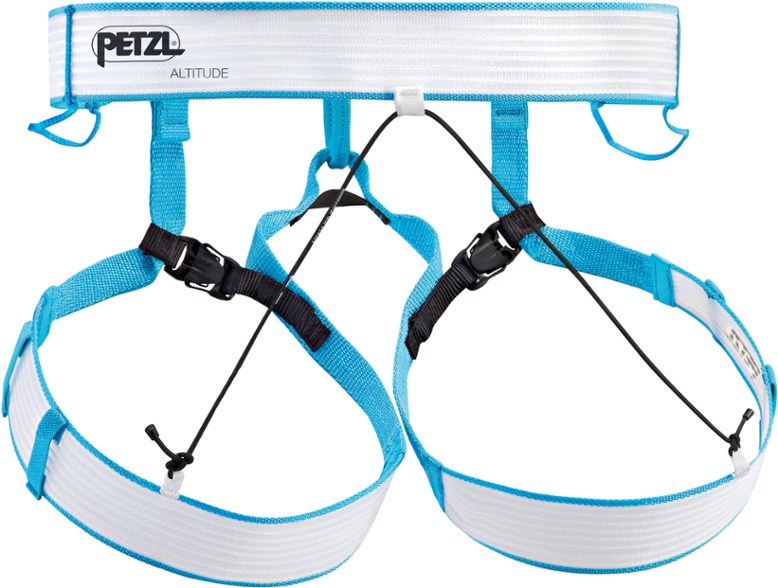

Altitude Harness
Sale price$119.95 USD
1 color available
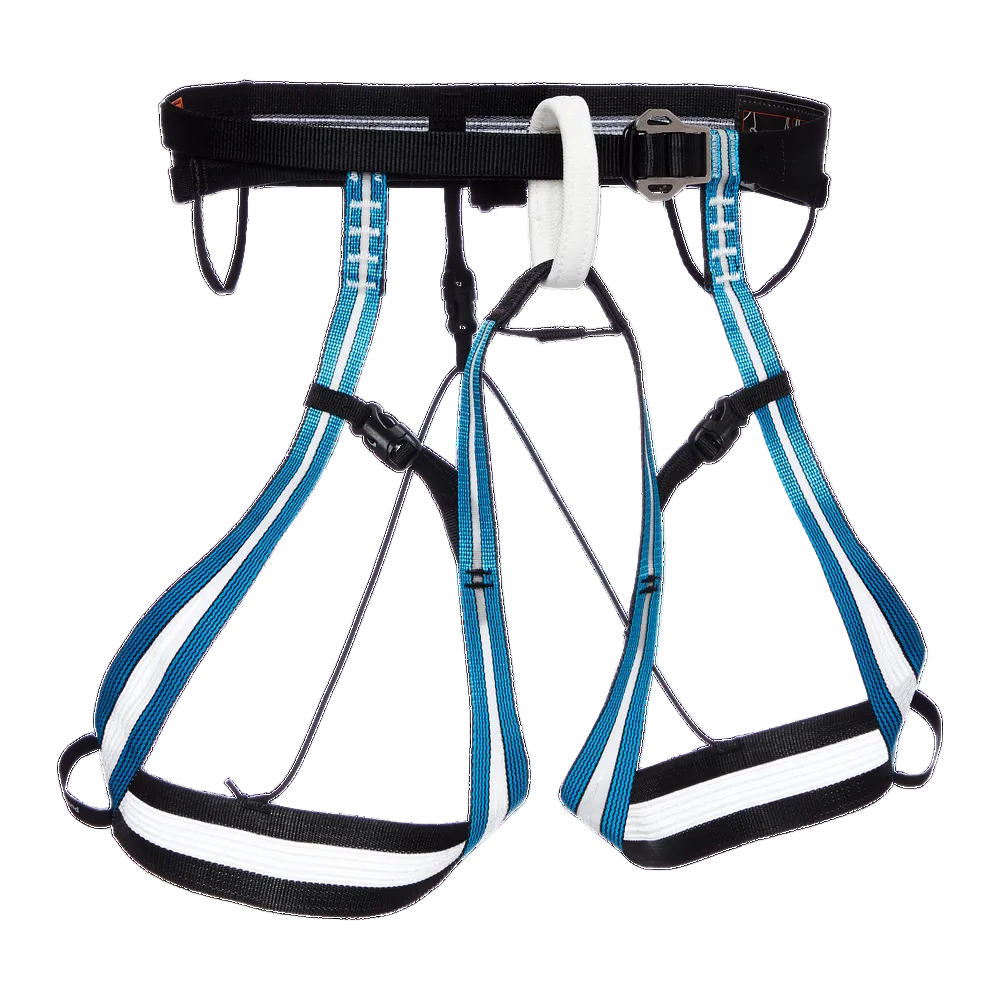
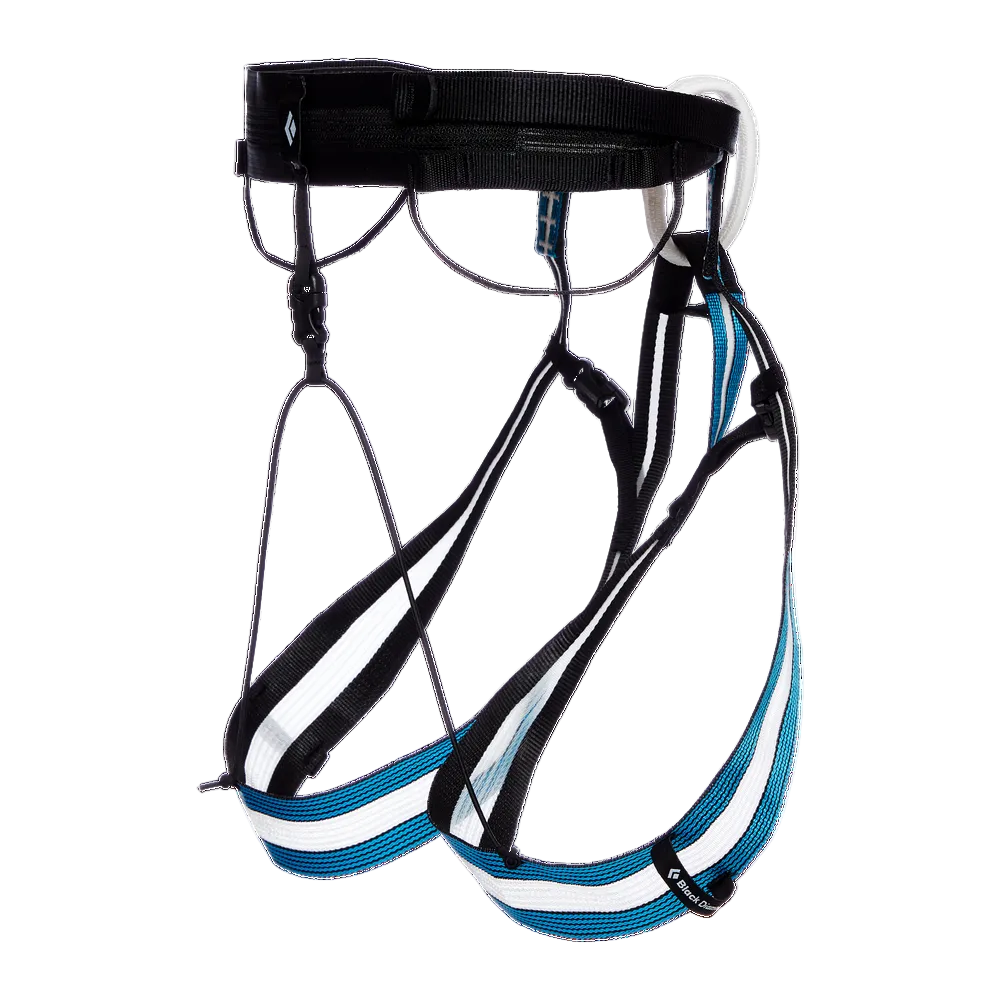
Couloir Harness
Sale price$99.95 USD
1 color available
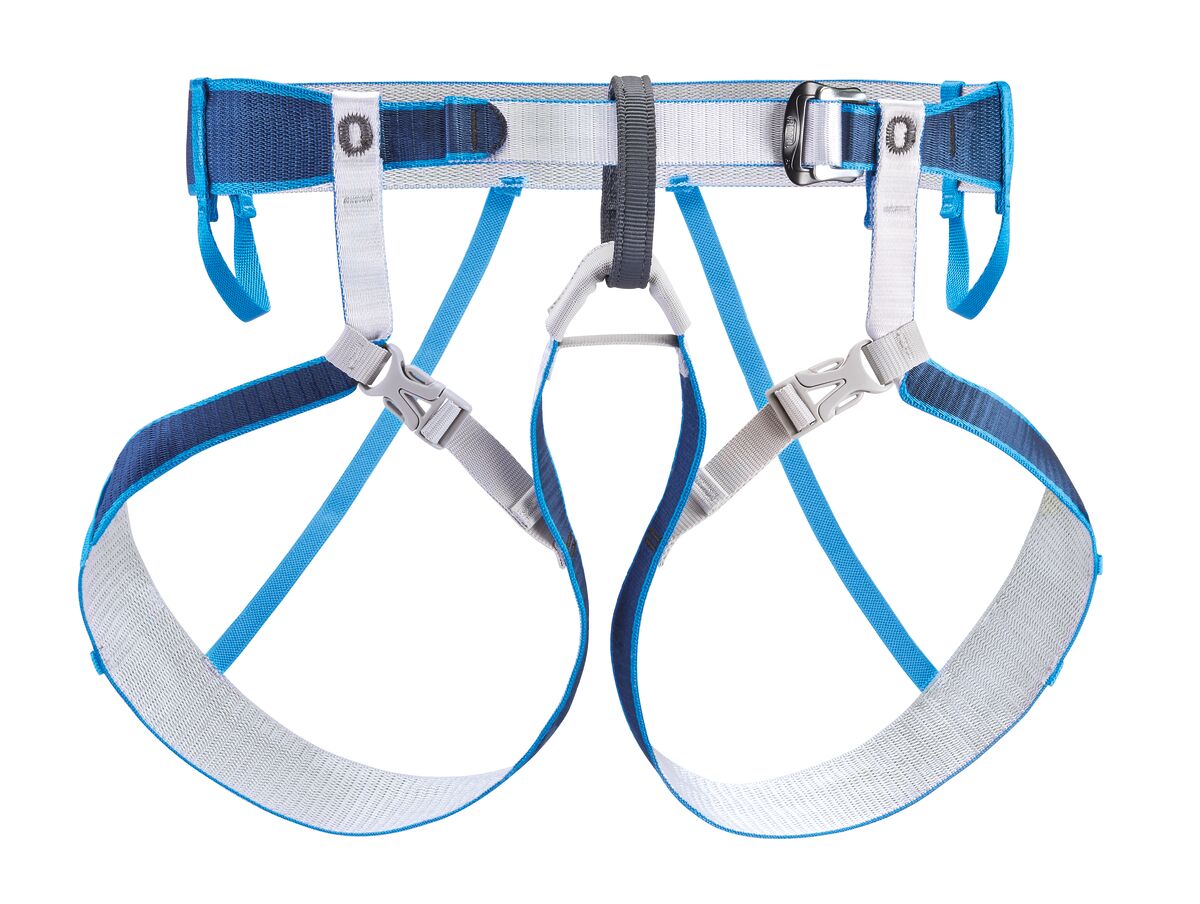
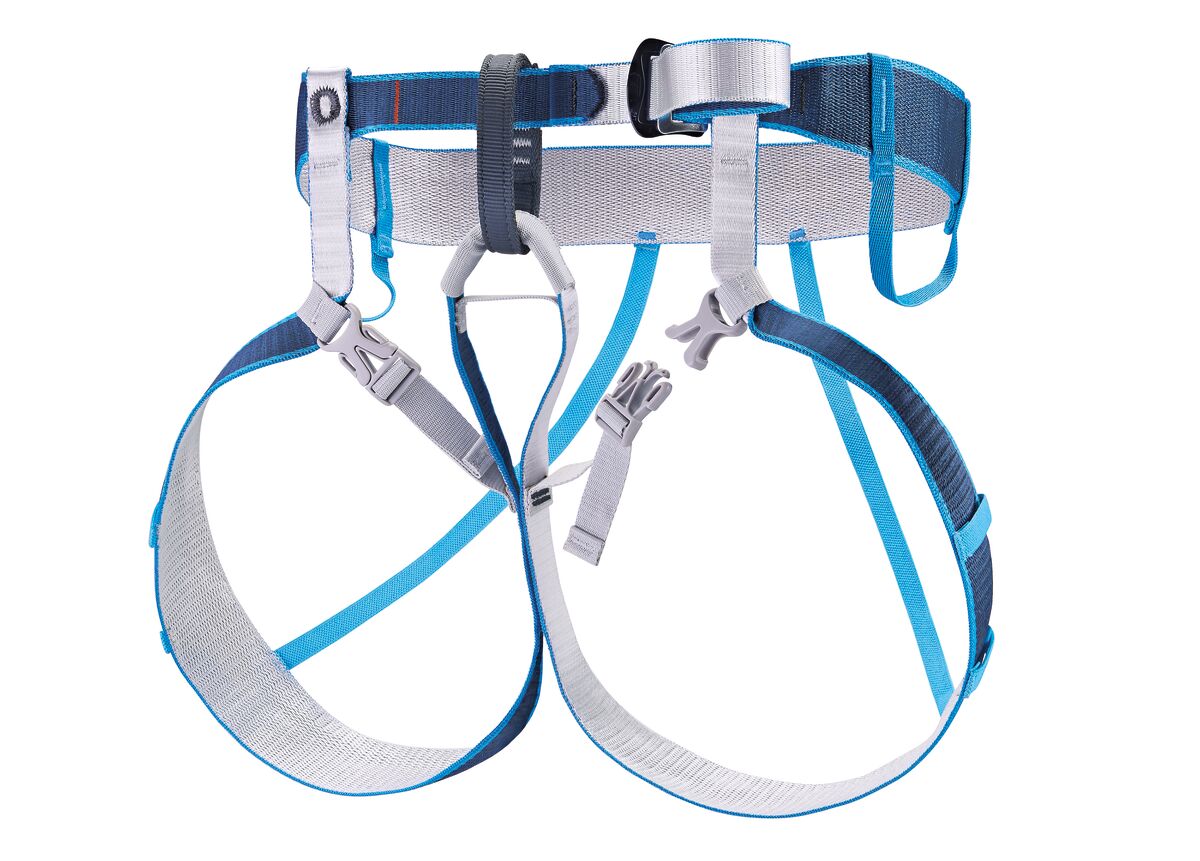
Tour Harness
Sale price$89.95 USD
1 color available
Filters
5 products
Couloir Harness
Sale price$99.95 USD
1 color available
Tour Harness
Sale price$89.95 USD
1 color available
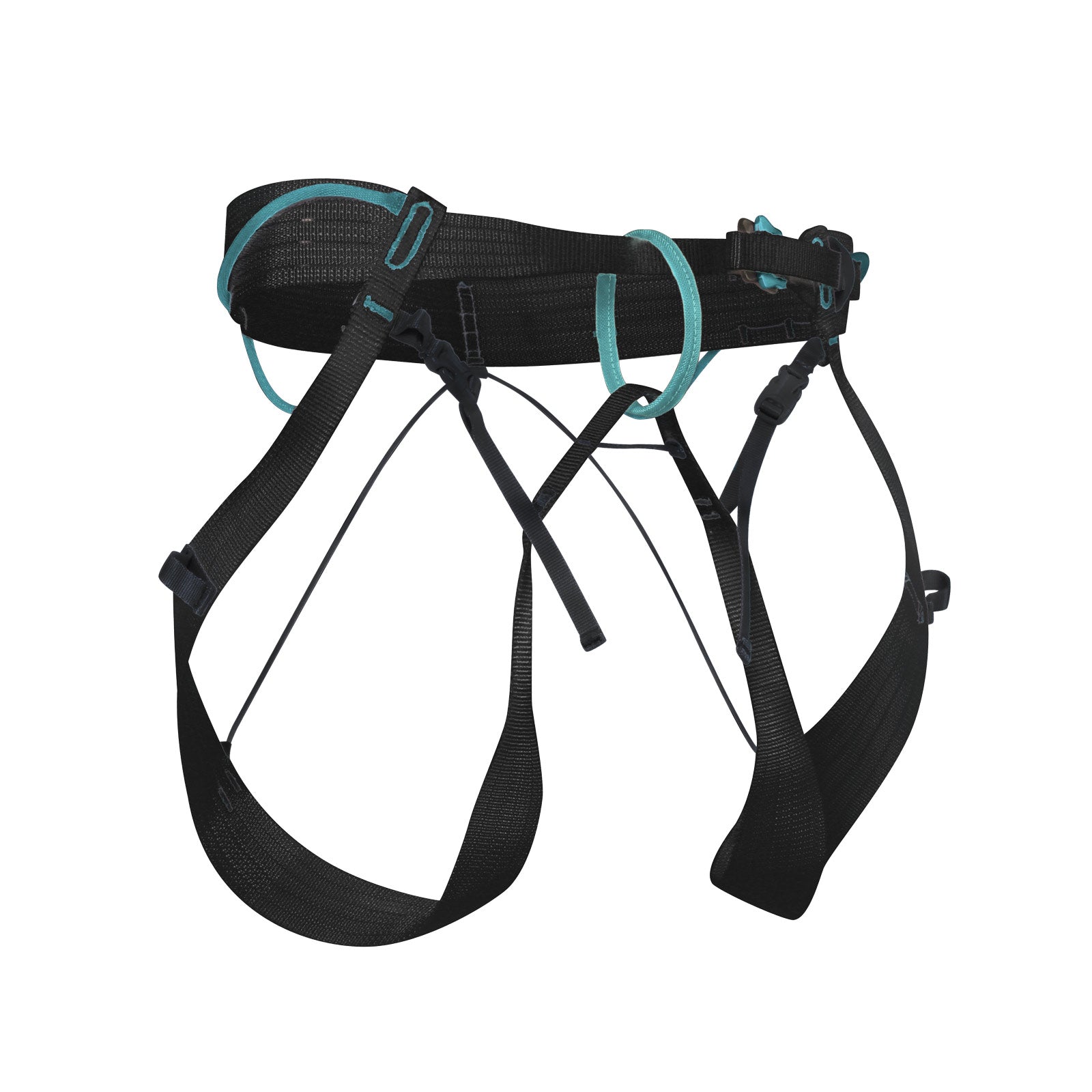

Choucas Harness
Sale price$79.95 USD
1 color available
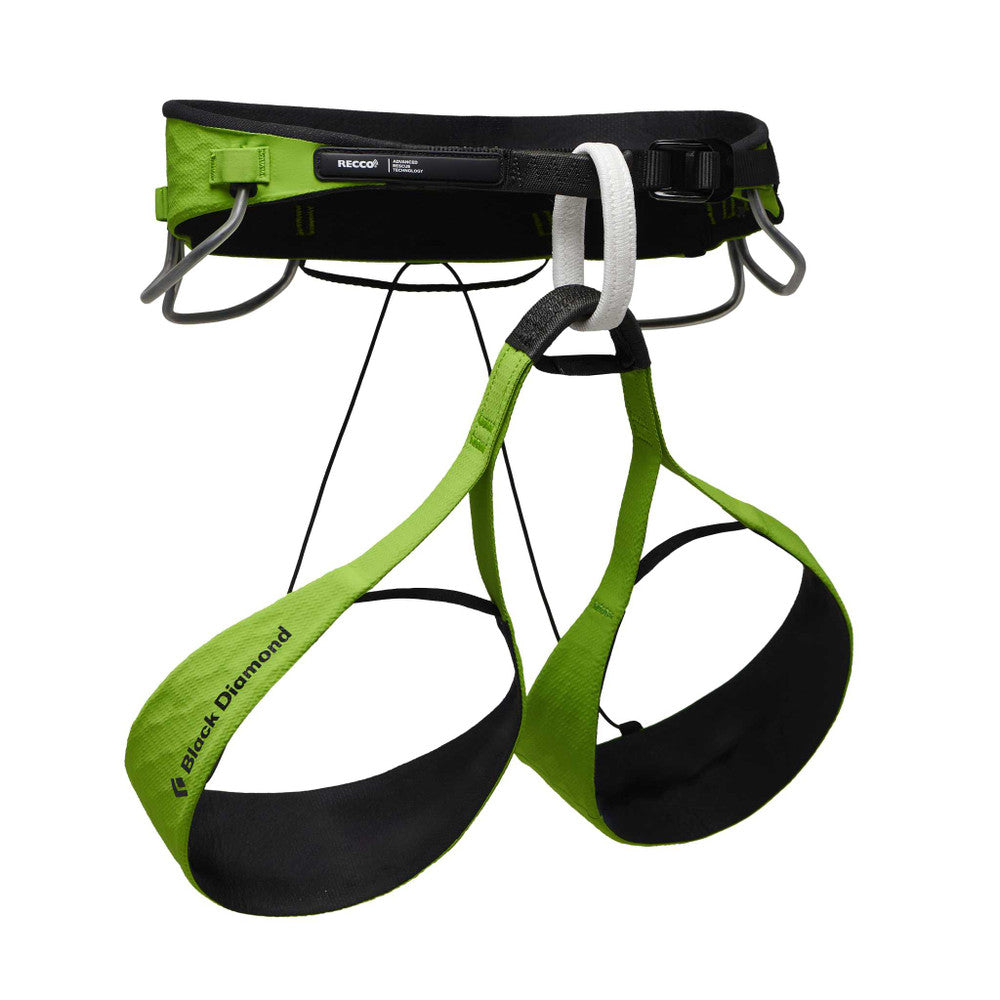
Vision Airnet Harness Recco
Sale price$229.95 USD
1 color available
