





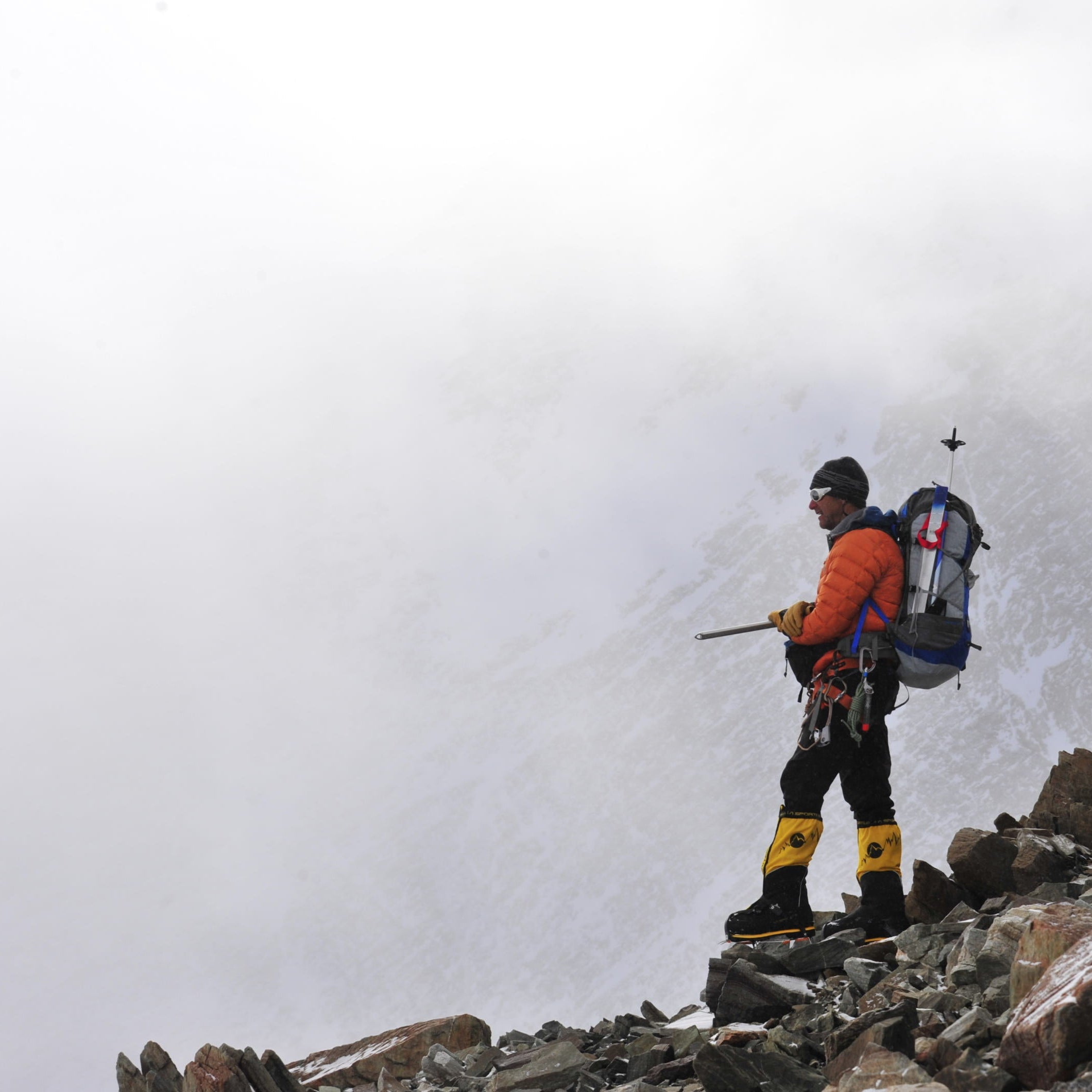
Summer is almost here, and after a winter like this one, the mountains are going to look a little different than you're used to.
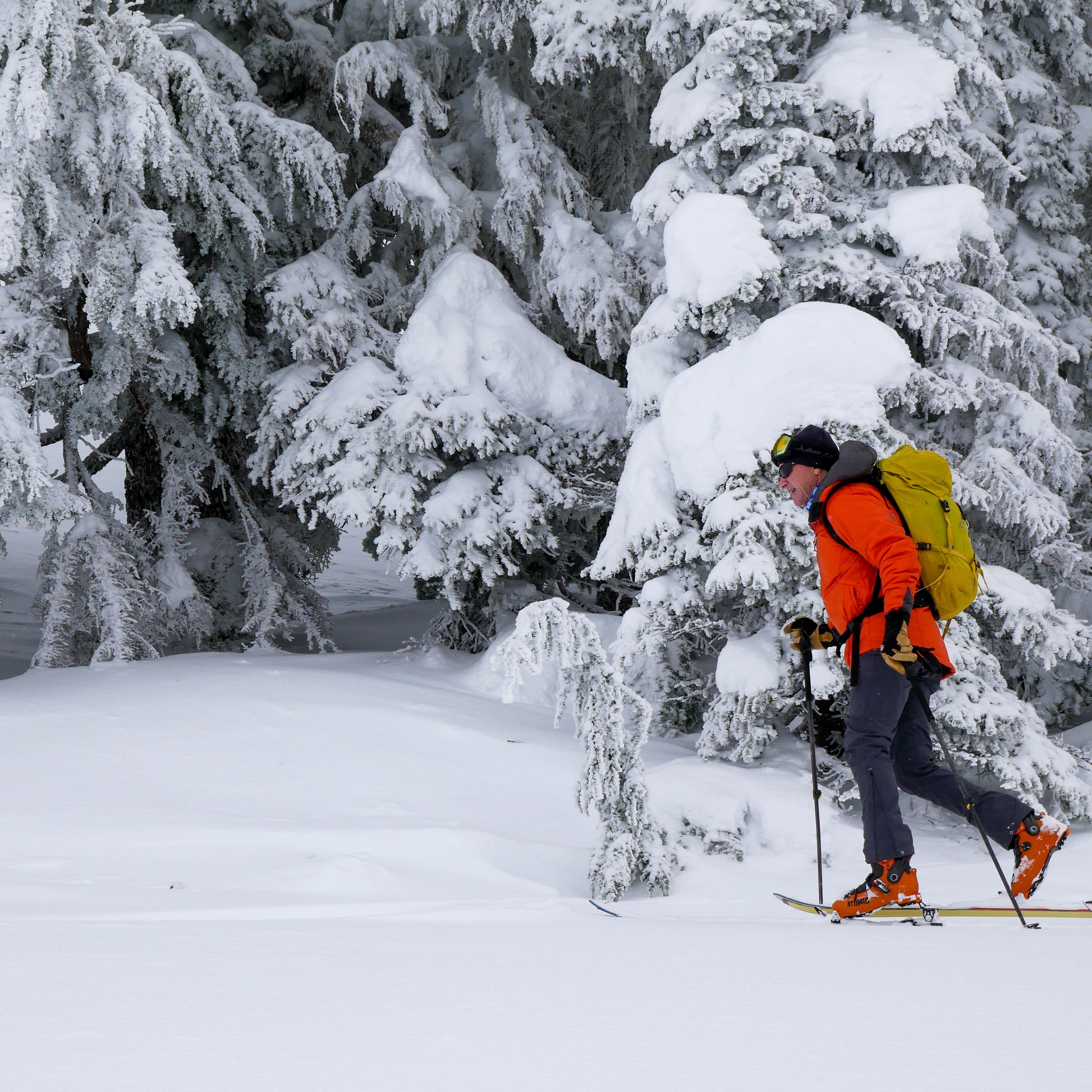
The 2025-2026 season was rough for snowpack across the Pacific Northwest, and not because it was dry. It was warm. Storms kept coming, but the rain-snow line sat high all winter, and what should have piled up in the mountains largely fell as rain instead. According to the University of Washington's Climate Office, Washington's statewide snowpack sat at just 53% of median as of early March 2026, with most SNOTEL monitoring stations in the Cascades and Olympics falling below the 10th percentile — lower than 90% of years on record. Oregon hit record lows. By February, Oregon's state climatologist told OPB that a meaningful recovery was statistically unlikely.
So what does that mean for your summer? More access in some areas, more hazards in others, and gear that has been sitting in a closet since last fall that deserves a real look before you trust it above treeline.
Here is where to start.
What This Winter Actually Means on the Ground
A low-snowpack year is easy to misread. Less snow sounds like easier access, and sometimes it is. But there is more to it.
Trails that are typically buried until July may be largely snow-free by Memorial Day. Lower-angle routes that usually require an ice axe and crampons early in the season could be more approachable on foot earlier than normal. For hikers and scramblers, this could shape up to be one of the more accessible early summers in recent memory.
Here is the catch. Less snow cover means more exposed rock, and rock that spent the winter getting freeze-thaw cycled is unstable rock. Rockfall risk increases when snowpack recedes earlier than normal, because the frozen bonds that hold debris in place melt out and gravity handles the rest. Any route that travels beneath cliffs, talus slopes, or along ridgelines deserves extra attention this year. And with landscapes drying out sooner, wildfire risk climbs too. Oregon's state climatologist put it plainly: a low-snowpack year like this one typically means a longer fire season.
The short version: go earlier, stay sharp, and don't assume the terrain will behave the way it did last year.
The Gear Audit You Should Actually Do
Gear doesn't announce when it's failing. It degrades until the moment you need it. Pull everything out before the season and give it a real look.
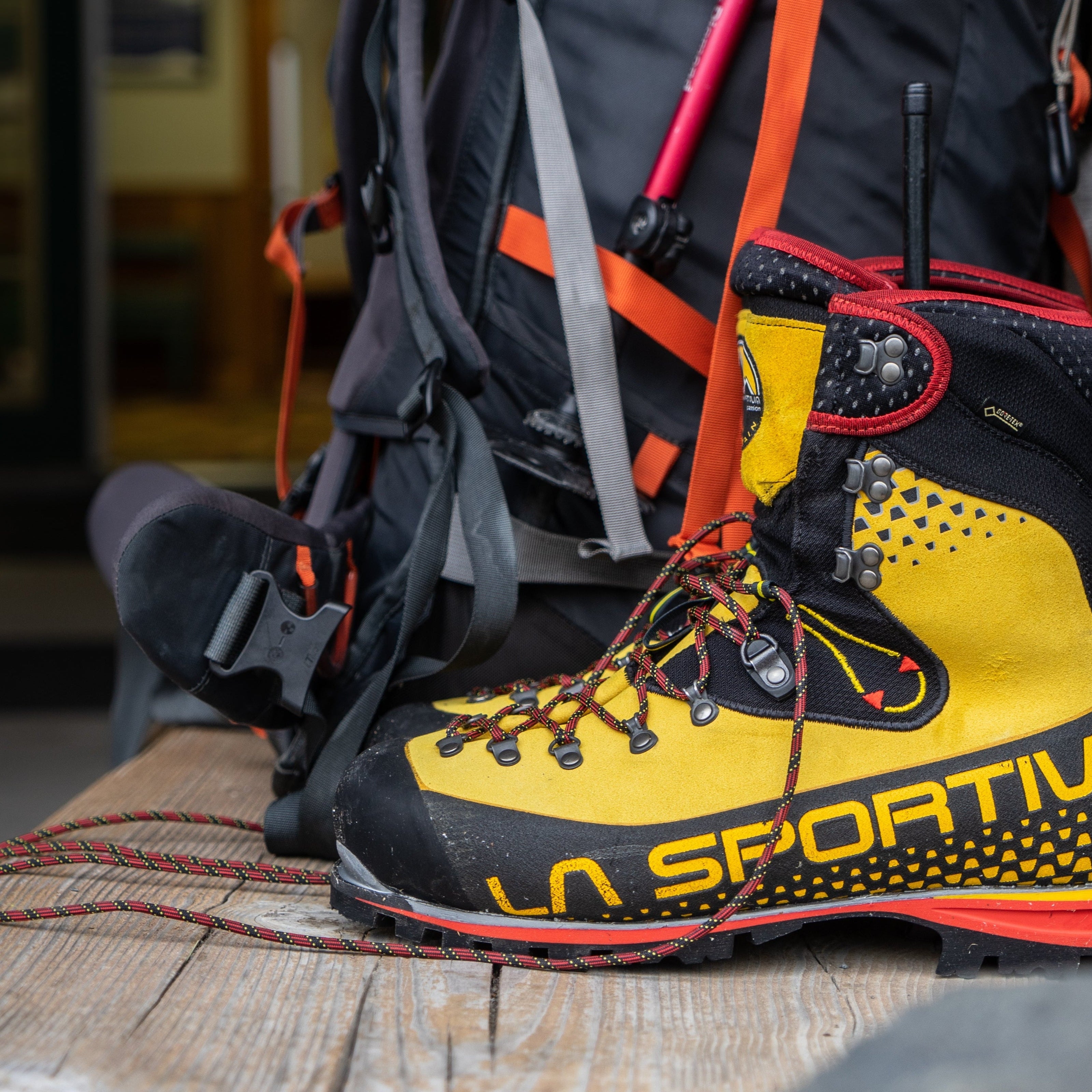
Boots: Check the lug pattern first. Worn-smooth soles mean lost traction on wet rock and firm snow before you've left the trailhead. Press along the rand and welt and feel for any separation from the upper. Delamination is a common failure point on older boots, and it tends to show up after a season in storage. Waterproof membrane boots benefit from a wash and a fresh coat of DWR (Durable Water Repellent) treatment. When DWR breaks down, "waterproof" starts to mean "wet, but slower." Leather boots should be cleaned and conditioned; dry storage is hard on them.
Crampon: Dull points don't bite the way they should, and sharpening them takes five minutes with a flat file. Also check:
- Anti-balling plates (the rubber inserts underneath) for cracking or deterioration
- Binding straps for fraying
- Fit to the actual boots you're wearing this season — don't assume it's the same as last year
Ice axe: Inspect the pick and adze for chips or cracks. Wipe the head down with a light oil if it's been sitting a while. Check any rubber spike protector for wear; a deteriorated one can slide off at the wrong moment.
Check out our full guide to Crampon and Ice Axe maintenance here.
Tent: Set it up in the backyard. This sounds obvious. Almost no one does it. Look for seam tape that is peeling or cracking — the most common failure point on older tents, and fixable with seam sealer before it becomes a problem in the field. Check zipper function on both the tent body and fly, and inspect the poles at the ferrules for stress fractures.
Sleeping bag: If it's a down bag, wash it. Down clumps and loses loft over time, especially when stored compressed. A wash with down-specific detergent and a low-heat tumble dry with a few tennis balls will restore loft significantly. Check the shell fabric for small tears while you're at it.
Sleeping pad: Inflate it and leave it overnight. A slow leak is much easier to find and patch at home than in a tent at elevation.
Rain gear and shells: If your jacket is wetting out rather than beading water, the DWR is gone. Wash it, run it through a warm dryer cycle, and apply a fresh spray-on treatment. Same goes for rain pants and your tent fly.
Skills Worth Brushing Up On
Gear is only part of it. In a year where terrain conditions may catch people off guard, the skills side matters just as much.
Navigation: With less snow on the ground, more terrain looks passable that isn't. Brush up on map and compass basics before relying entirely on your phone. Batteries die, screens crack, and GPS coverage isn't guaranteed everywhere.
Self-arrest: If your summer plans include any snowfield travel, even moderate-angle slopes that look harmless, the ability to stop a fall with an ice axe is non-negotiable. This is not an intuitive skill. It requires practice until the movement is automatic, because when you actually need it, there's no time to think through the steps. Find a safe slope and run through it before the season starts.
Hazard recognition: Trip reports are your best real-time resource for understanding what a route actually looks like right now. Check them close to your departure date, not weeks out.
Medical Care: If you've never taken a Wilderness First Aid course, this is a good summer to fix that. It's a 16-hour weekend, and it changes how you think about time in the backcountry.
A Few Hard Limits on Gear Lifespan
Not everything needs replacing every season, but some things have firm cutoffs worth knowing:
- Helmets should be replaced after any significant impact, and generally after 10 years of use regardless of how they look. UV exposure degrades the shell even when there's no visible damage.
- Harnesses should be inspected annually for wear on stitching and buckles, and retired after any major fall load.
- Crampons with cracked anti-balling plates, broken welds, or missing points need to be repaired or replaced before use.
The gear that's hard to justify buying tends to feel a lot easier to justify after something goes wrong.
The Season Ahead
A low-snowpack year opens terrain earlier and closes the window on snowfield objectives sooner. Prepared and aware, that's an opportunity. Check the gear. Know the terrain. Get out there.
Sources: University of Washington Climate Office, February 2026 Snowpack and Drought Summary;
Drought.gov, Snow Drought Current Conditions and Impacts, March 12, 2026;
OPB, "Oregon's record low snowpack is not likely to recover, scientists say," February 2026.


Leave a comment
All comments are moderated before being published.
This site is protected by hCaptcha and the hCaptcha Privacy Policy and Terms of Service apply.