






Ropes & Runners
For Safety Systems That Hold Up
From dry-treated ropes to hollow blocks, slings, runners, and accessory cord, this collection covers the essentials for anchoring, rappelling, and rescue. Whether you’re managing glacier travel, building a belay, or setting up a friction hitch, this gear is made to perform in real mountain conditions. No frills, no fluff — just durable, dependable protection you’ll actually trust when things get vertical.
Field Tested · Guide Endorsed
Guide Picks
Skip the browsing — pick from the cream of the crop. Like our tagline says, we simplify outfitting.
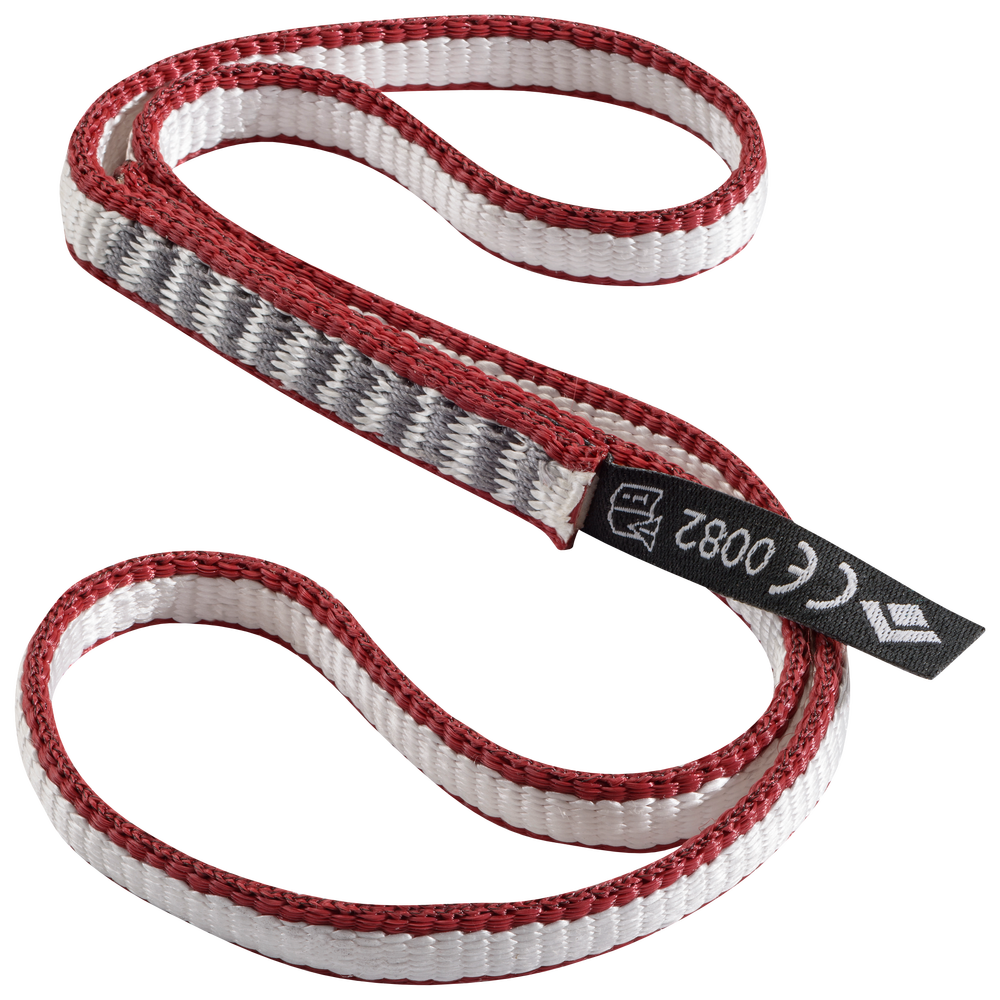
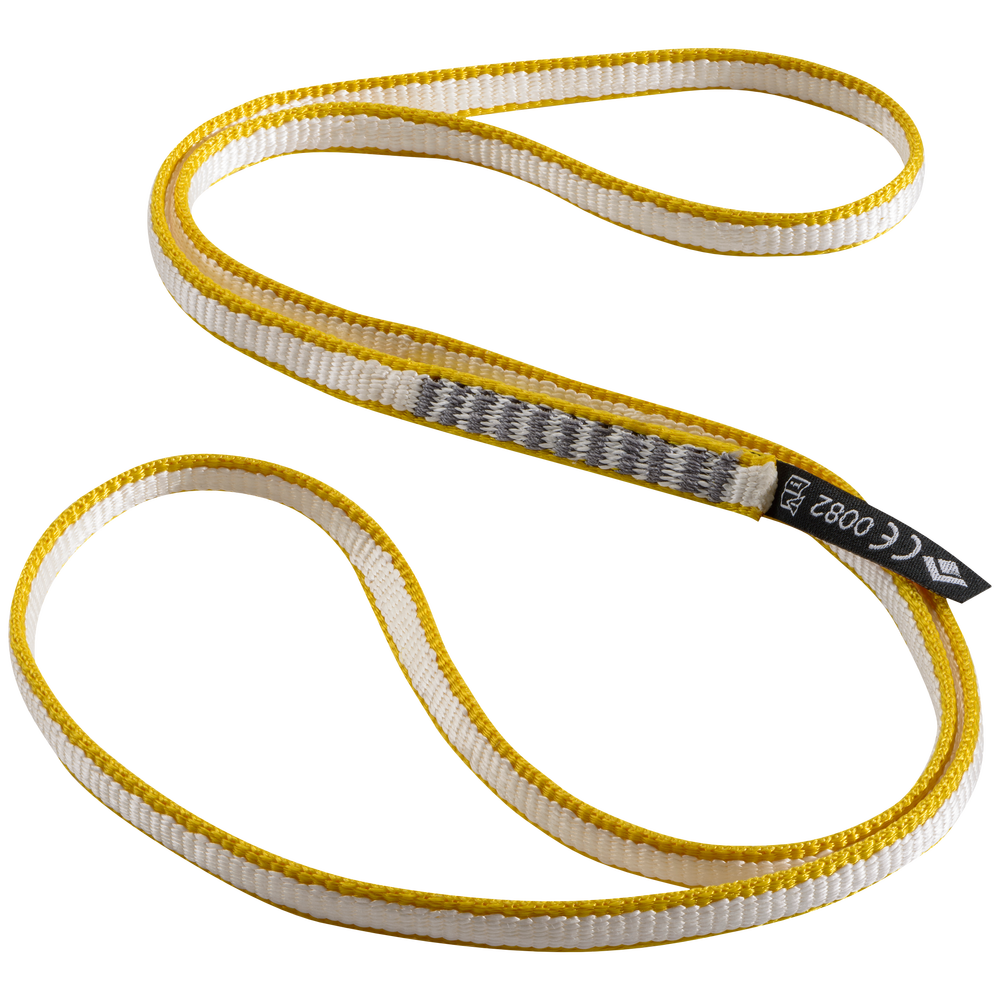
10mm Dynex Runners
Sale priceFrom $10.95 USD
Filters
10 products
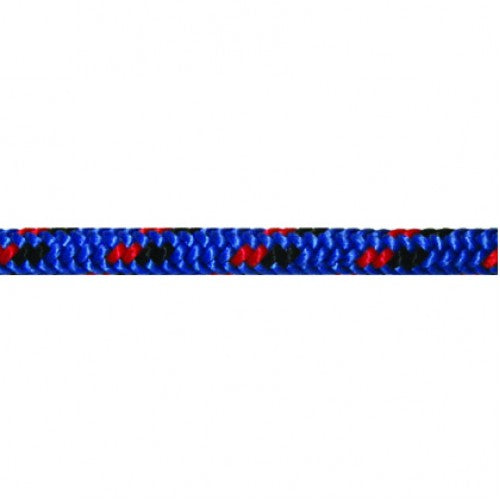
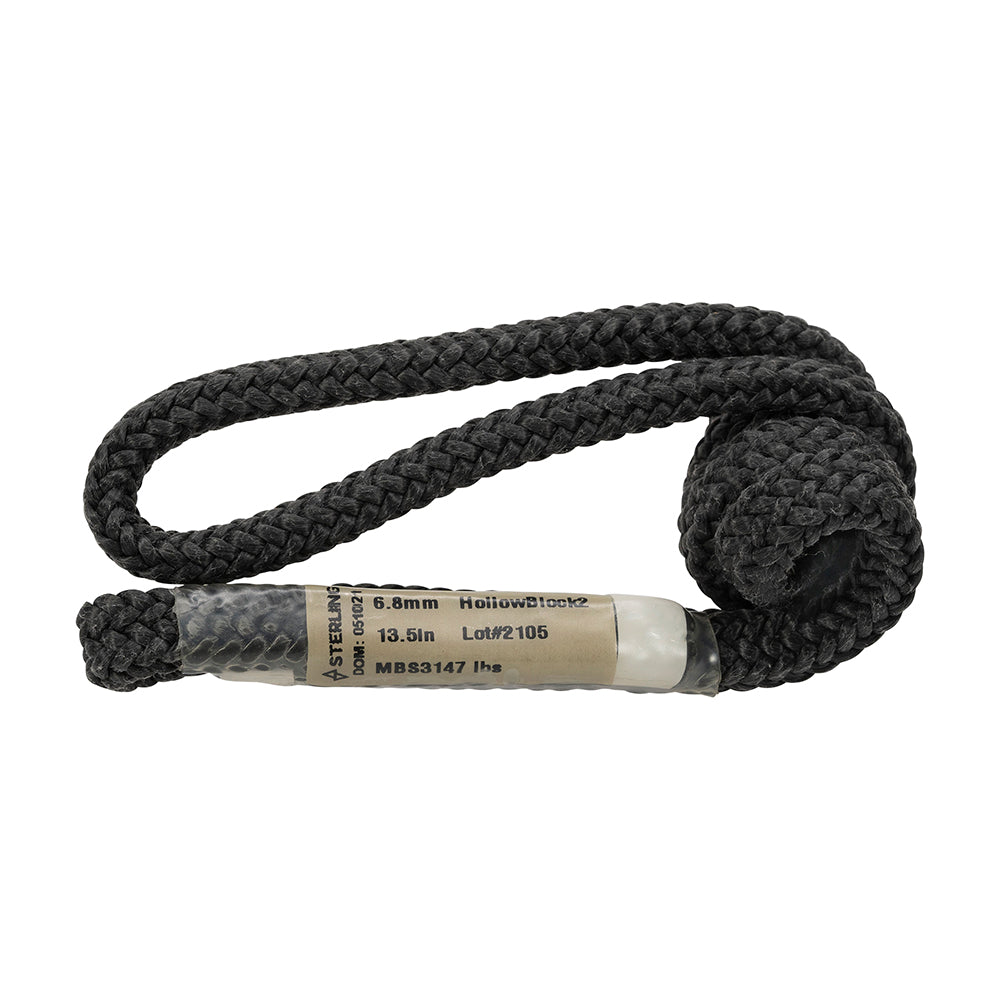
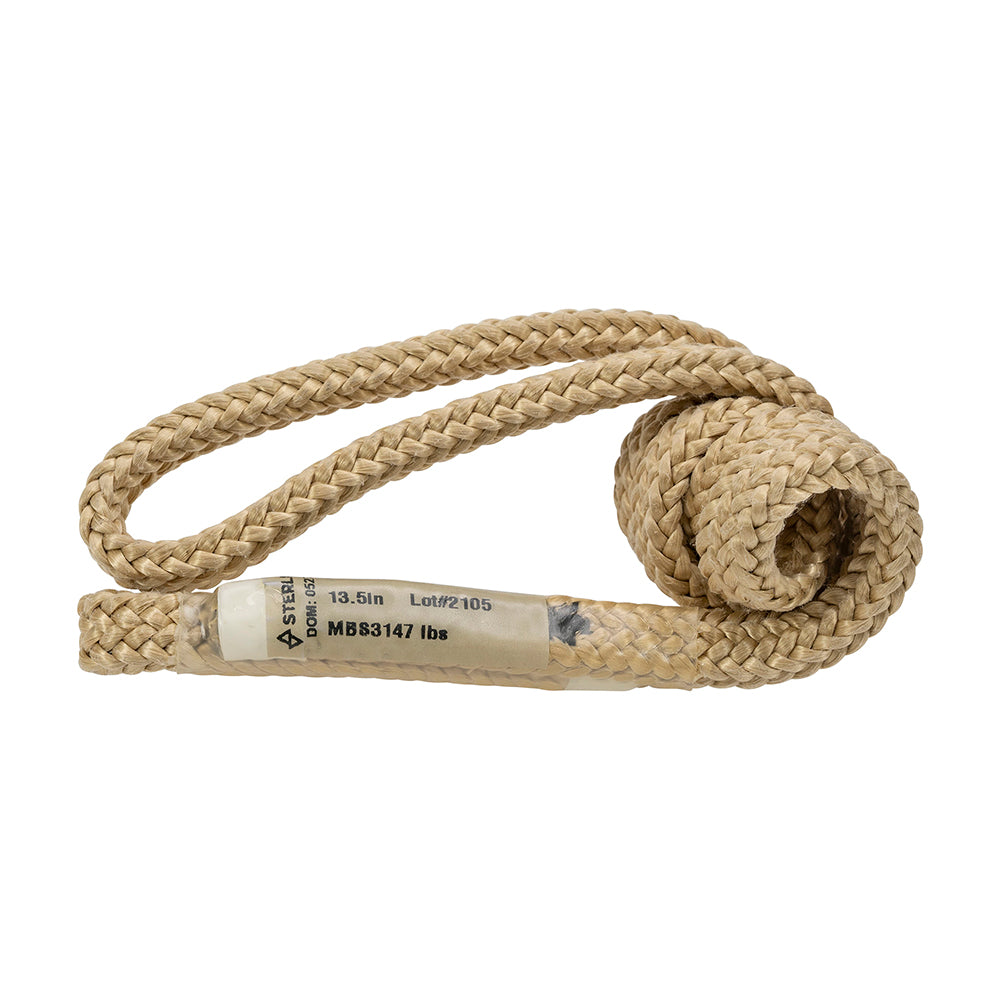
10mm Dynex Runners
Sale priceFrom $10.95 USD
5.0
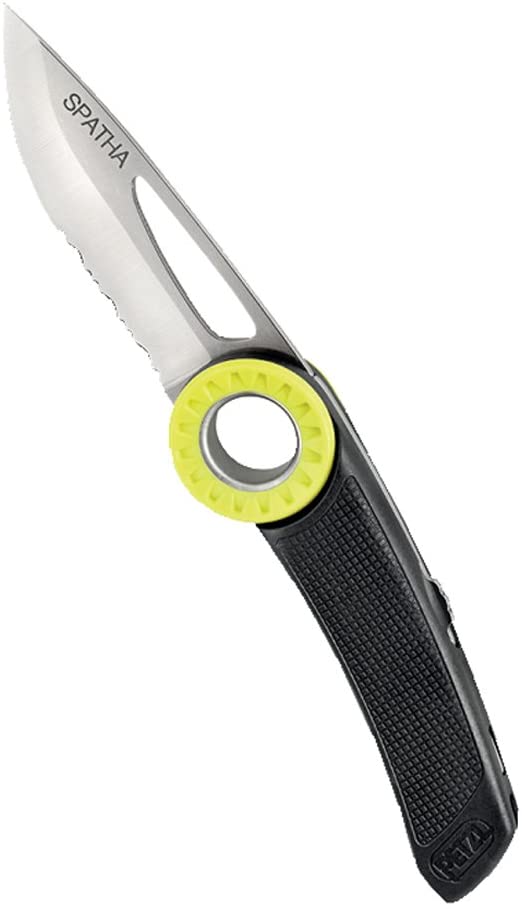
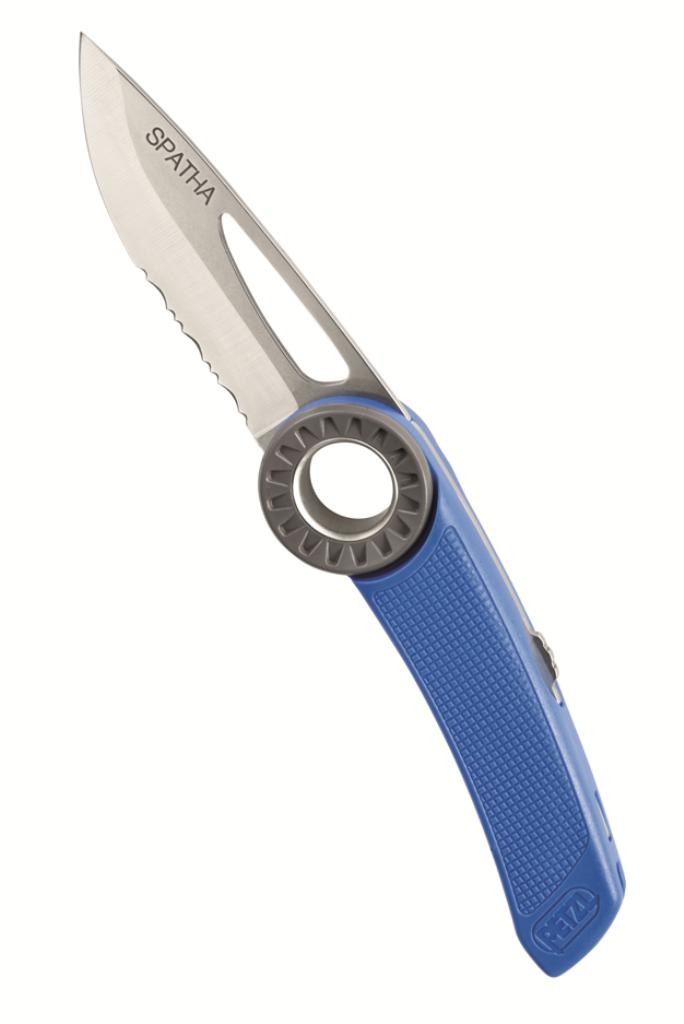
Spatha Knife
Sale price$43.95 USD
3 colors available
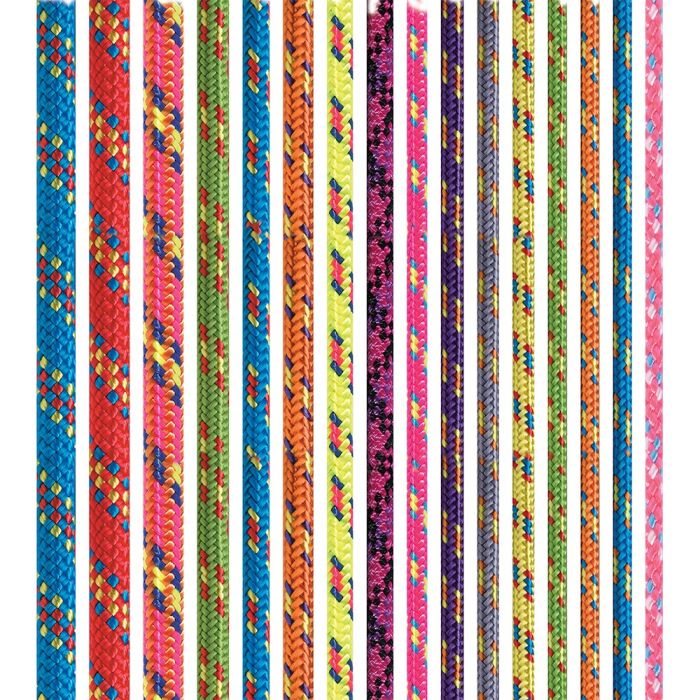

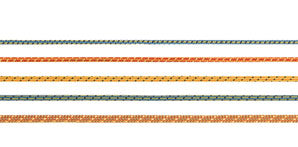
Beal Accessory Cord
Sale priceFrom $0.20 USD
5 colors available
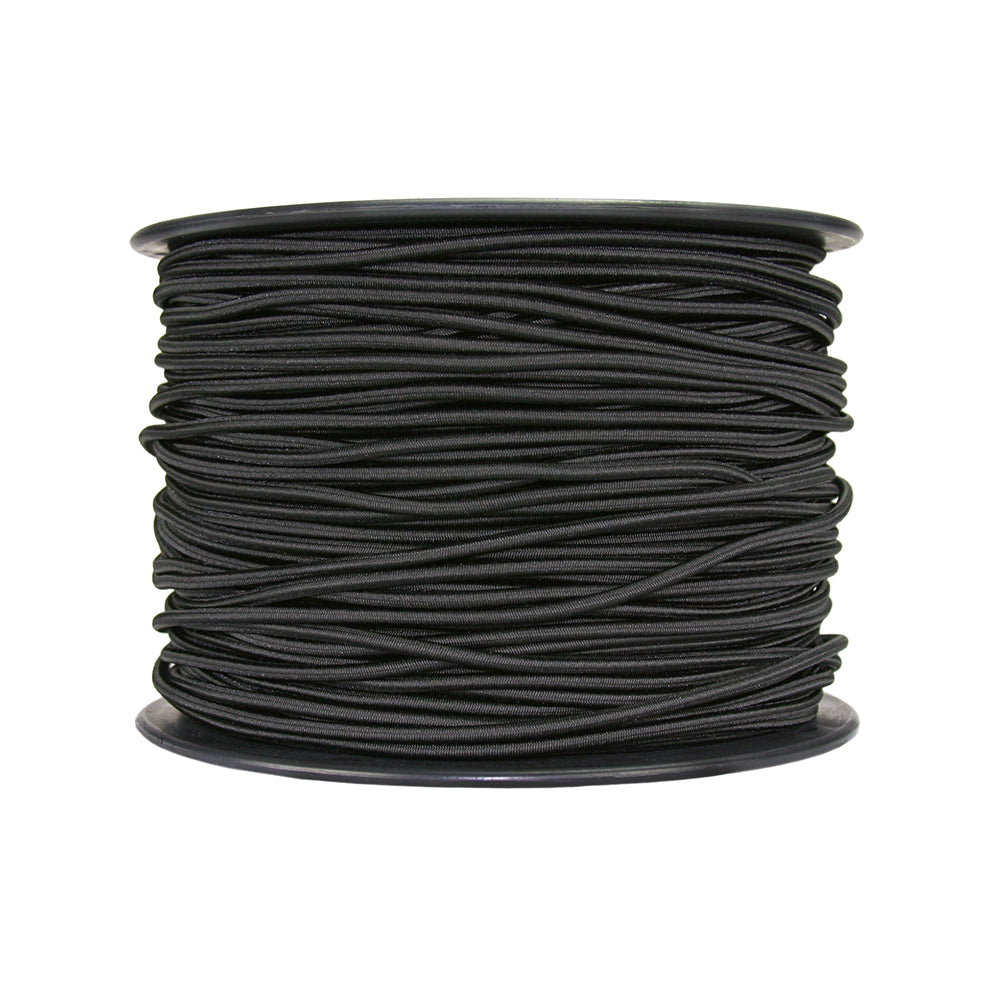
1/8 inch (3mm) Shock Cord
Sale price$0.39 USD
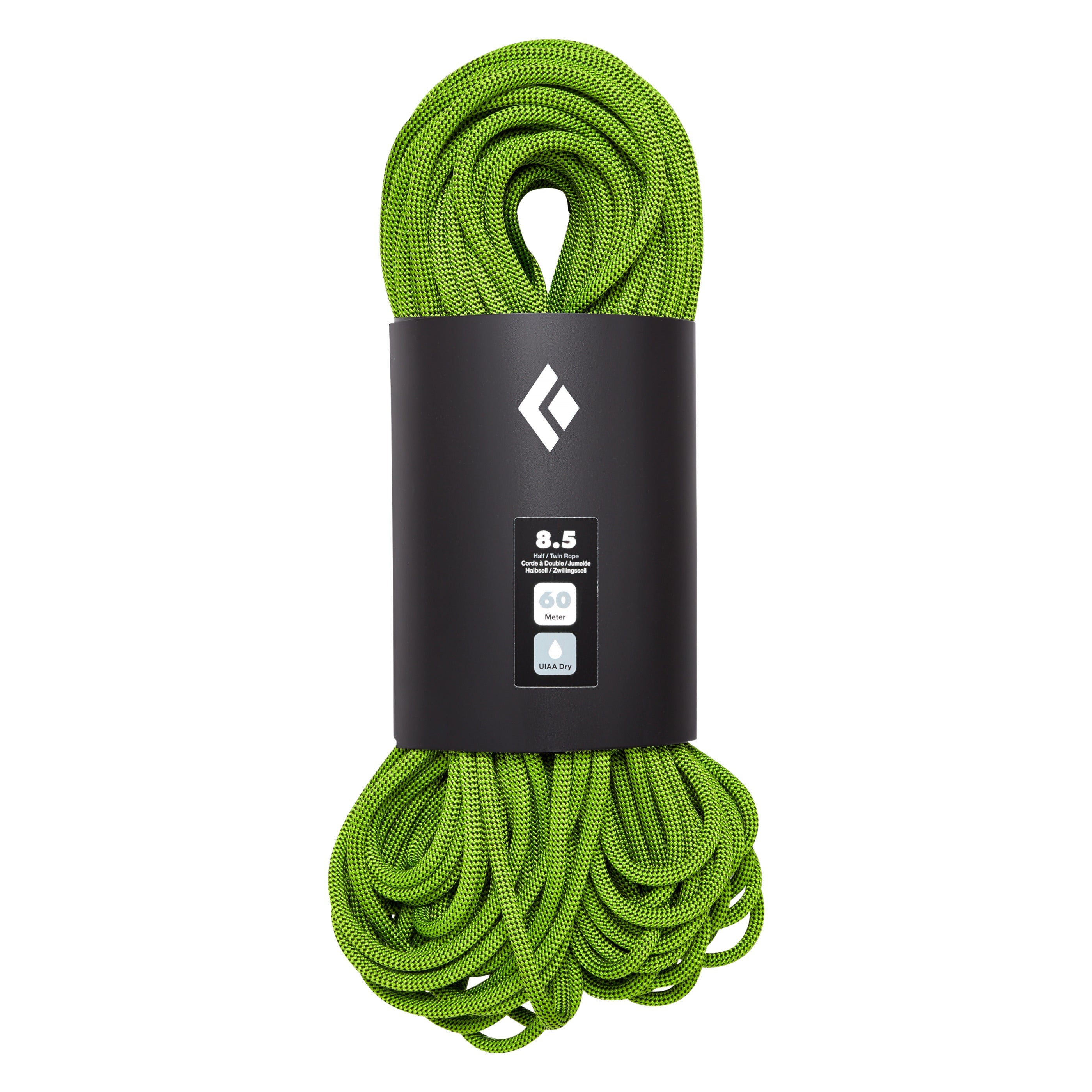
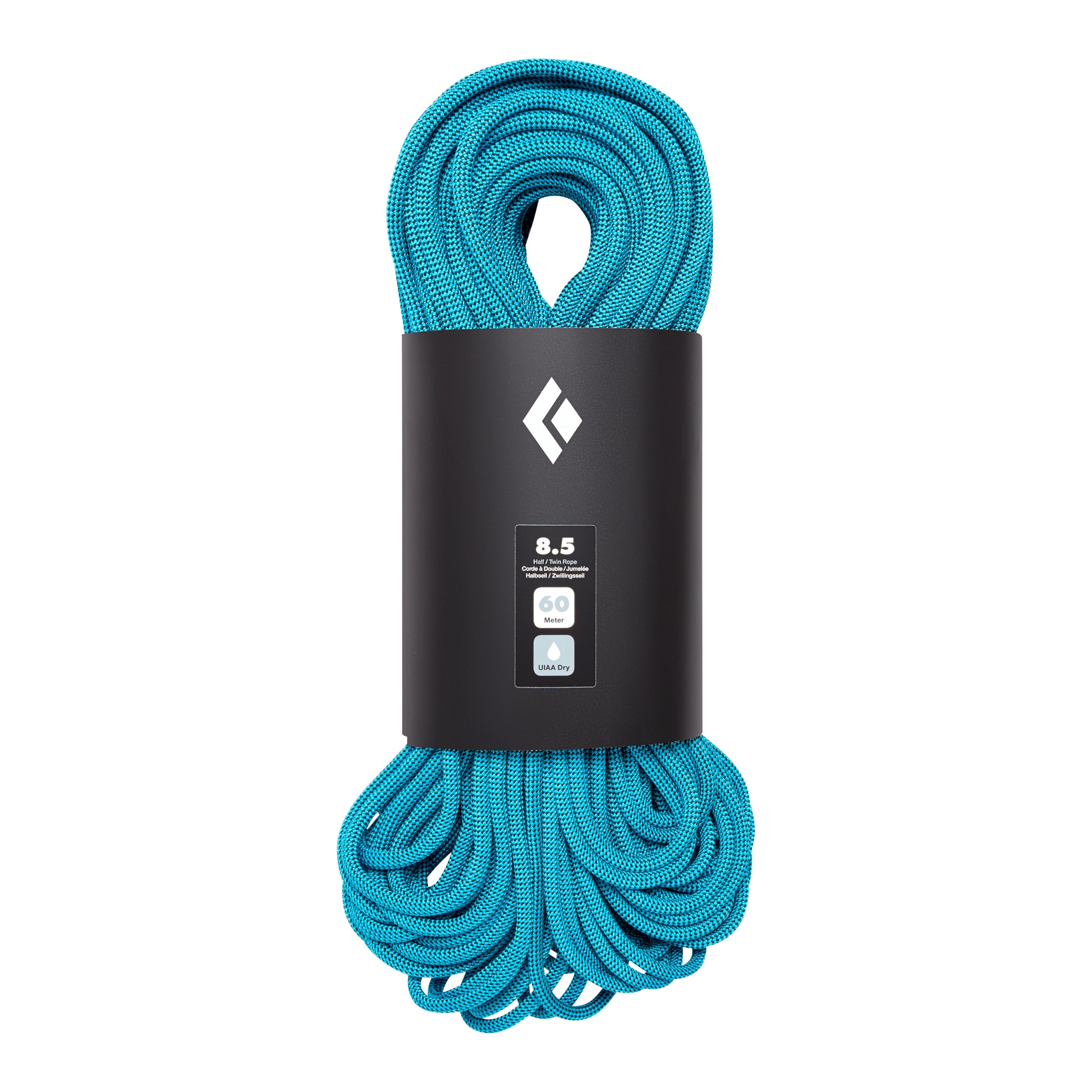
8.5 Dry Rope
Sale price$229.95 USD
2 colors available
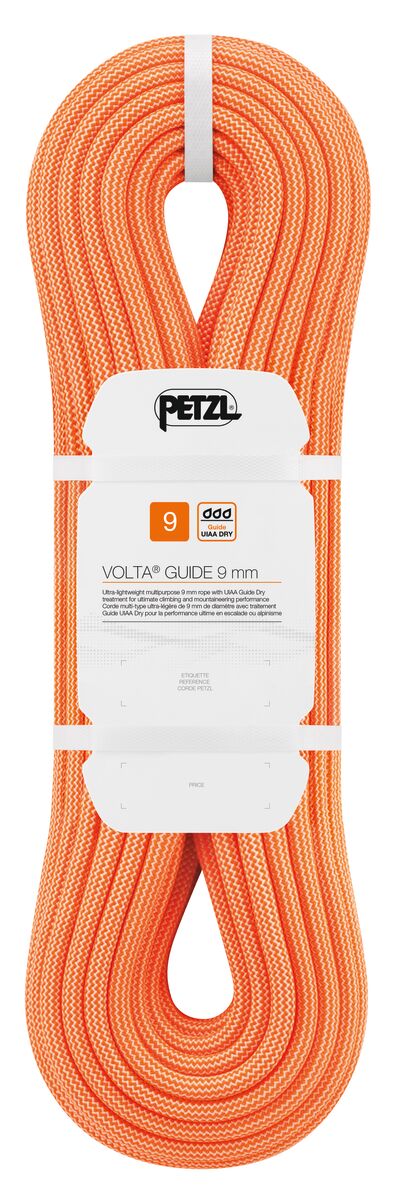
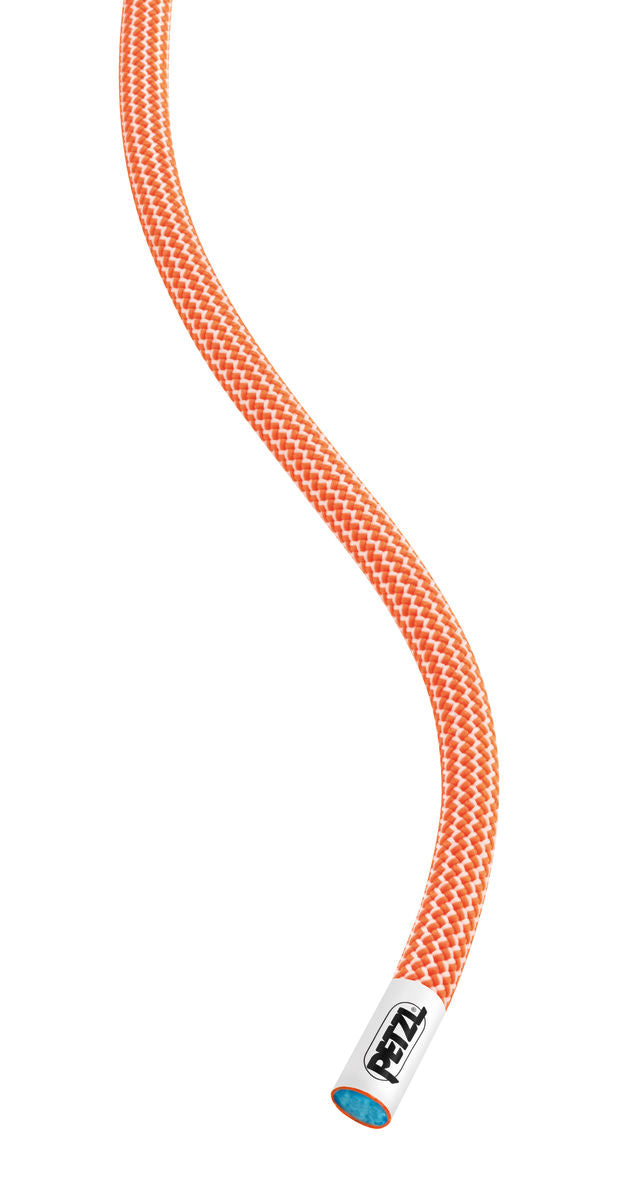
VOLTA® GUIDE 9 mm
Sale priceFrom $239.95 USD
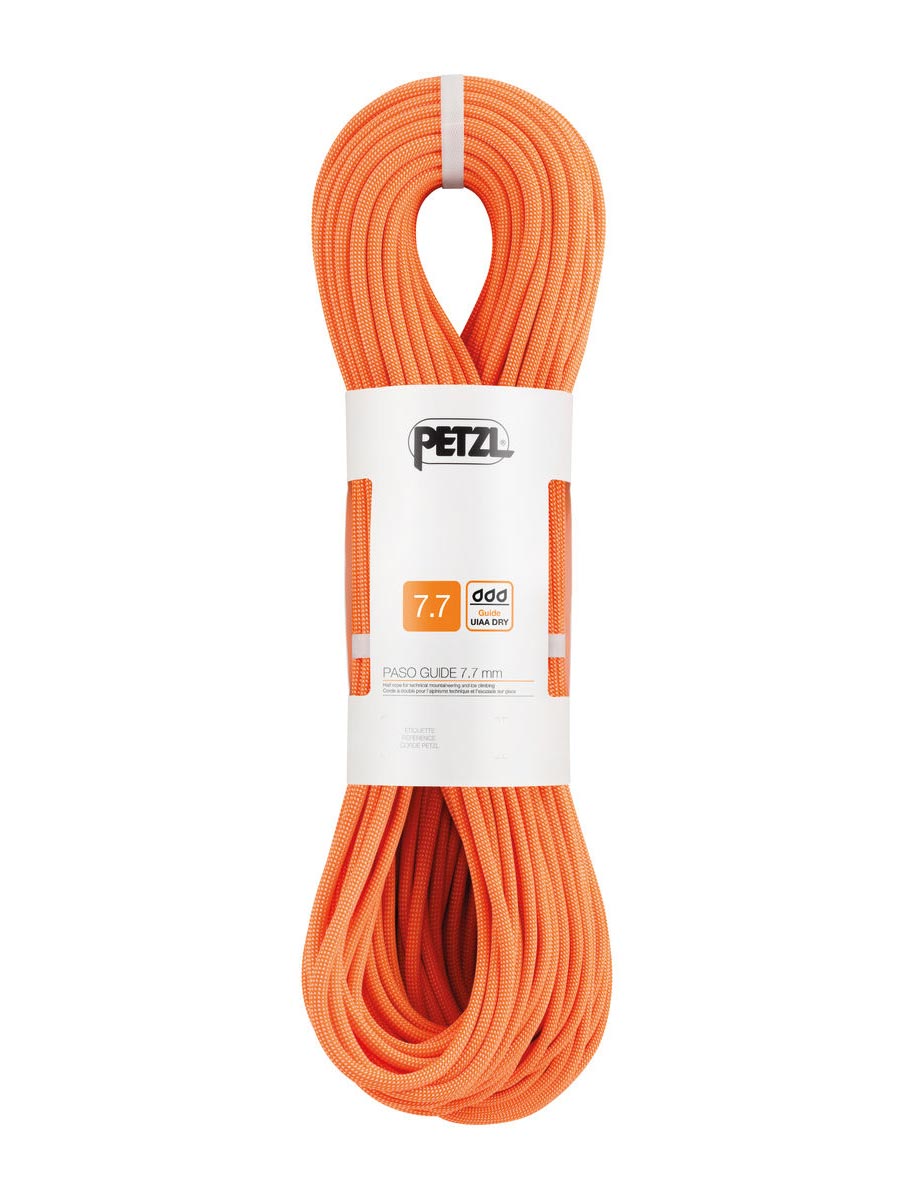
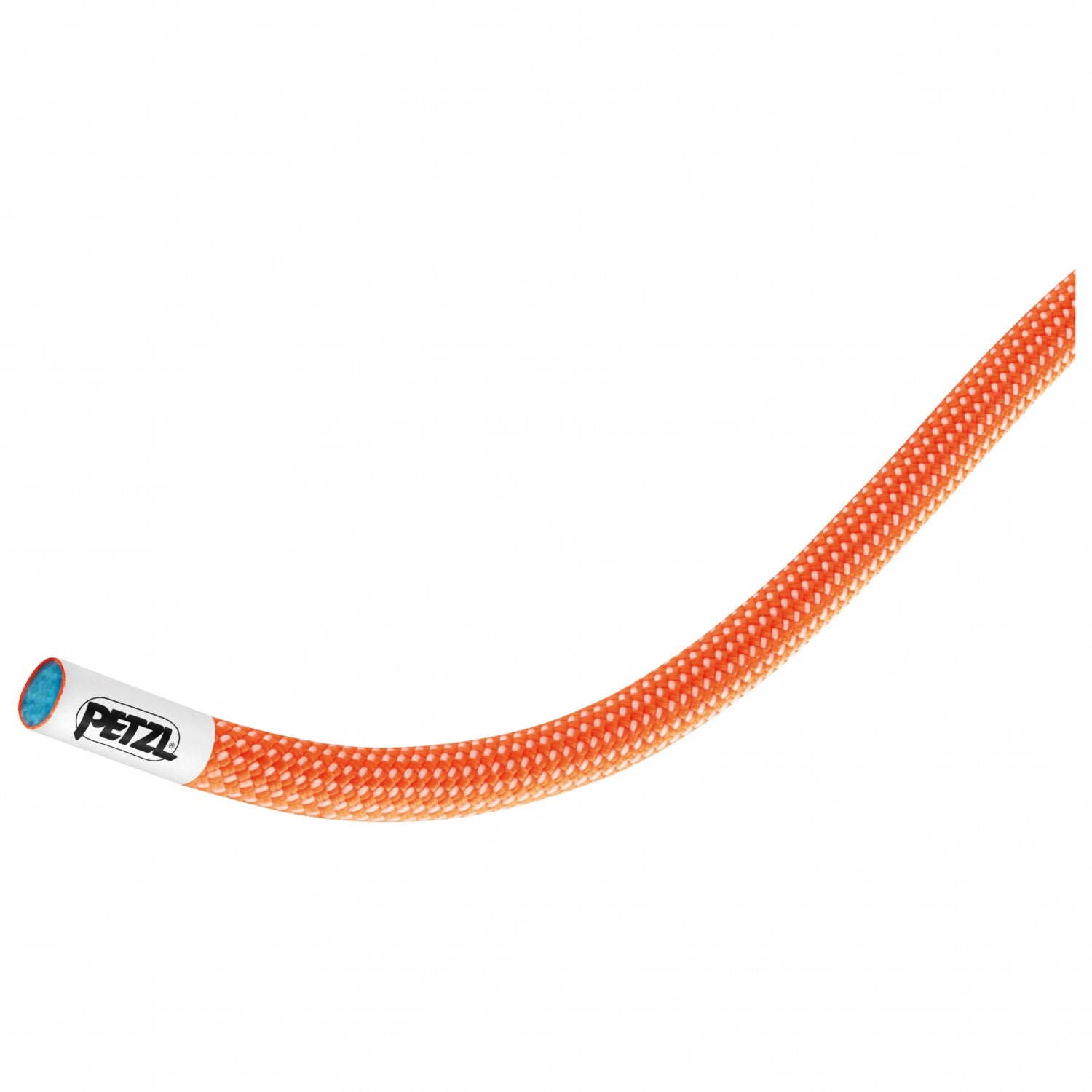
PASO® GUIDE 7.7 mm
Sale price$229.95 USD
1 color available
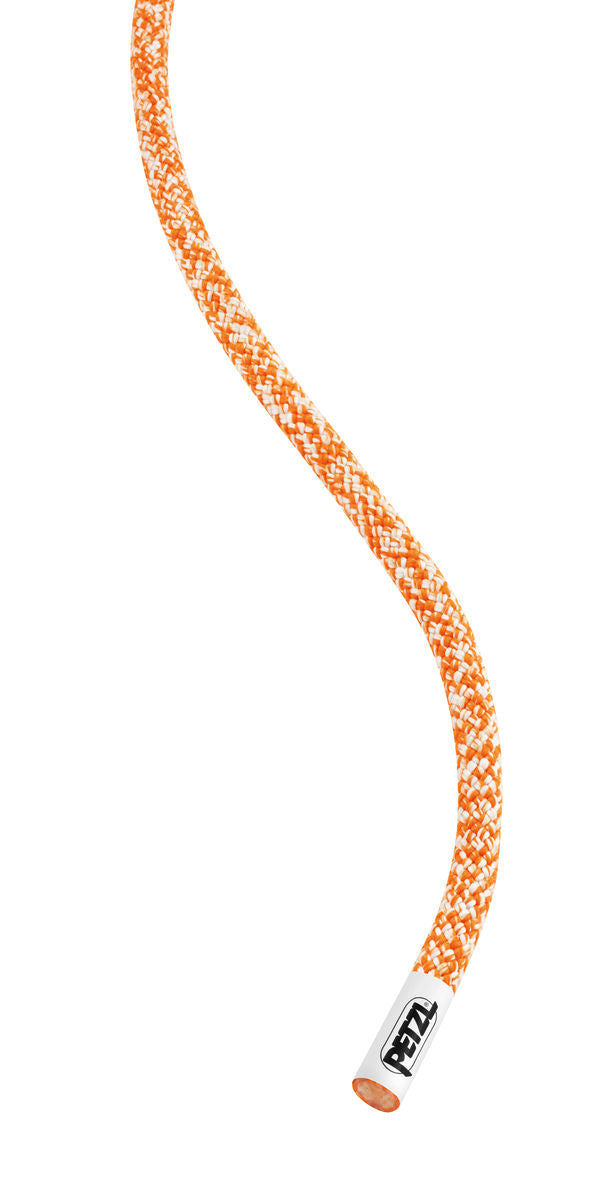
RAD LINE 6 mm
Sale price$299.95 USD
