


Baselayers
And comfort.
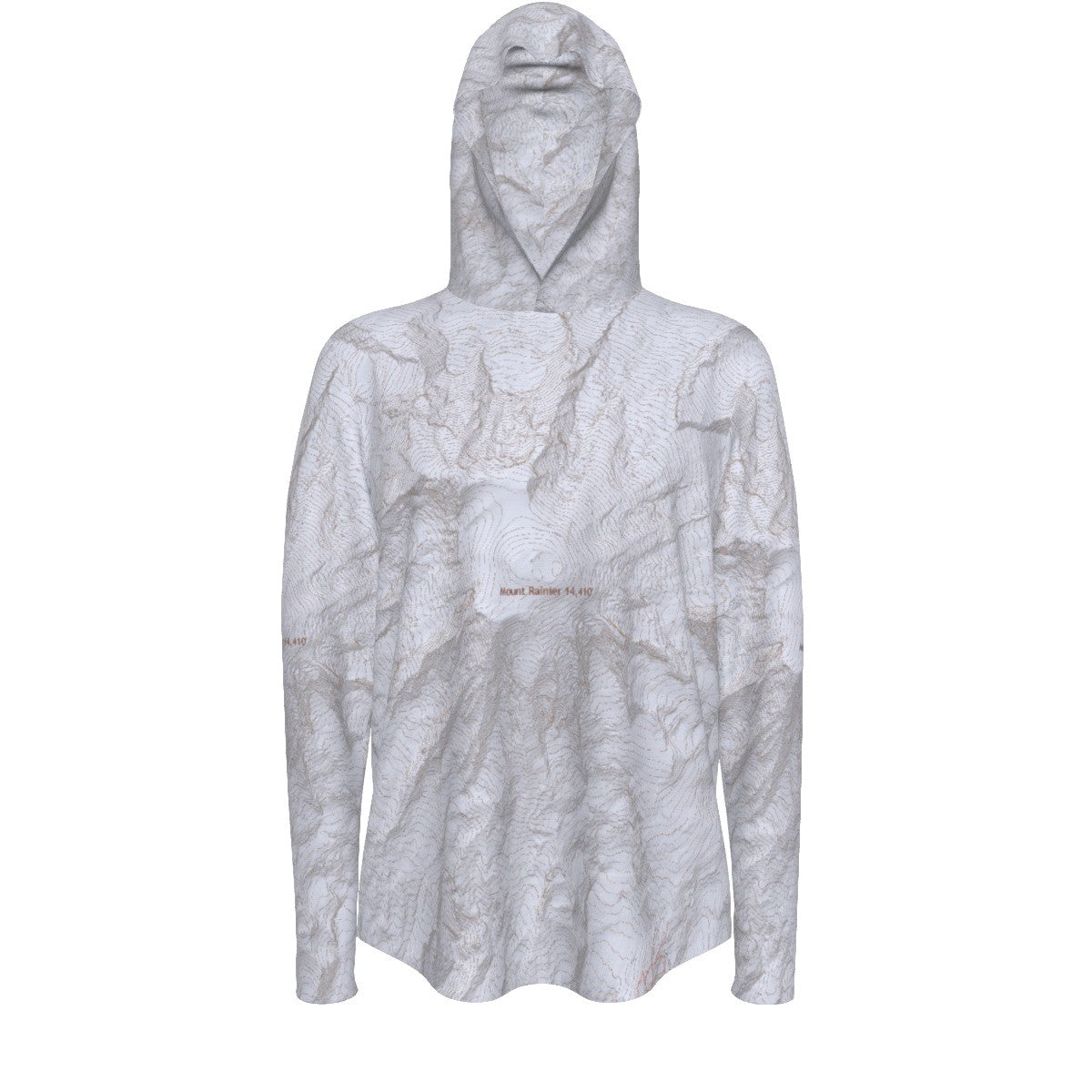
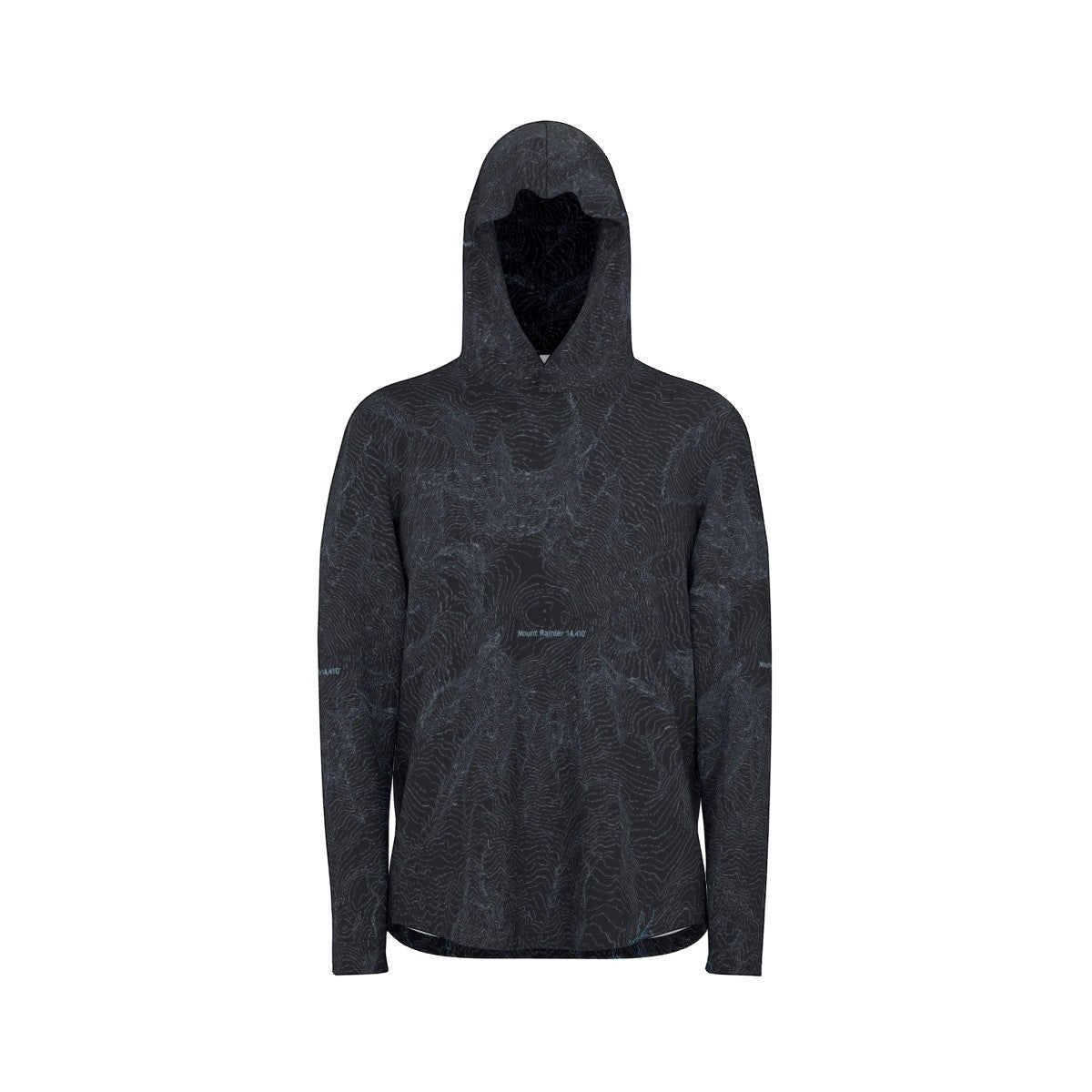
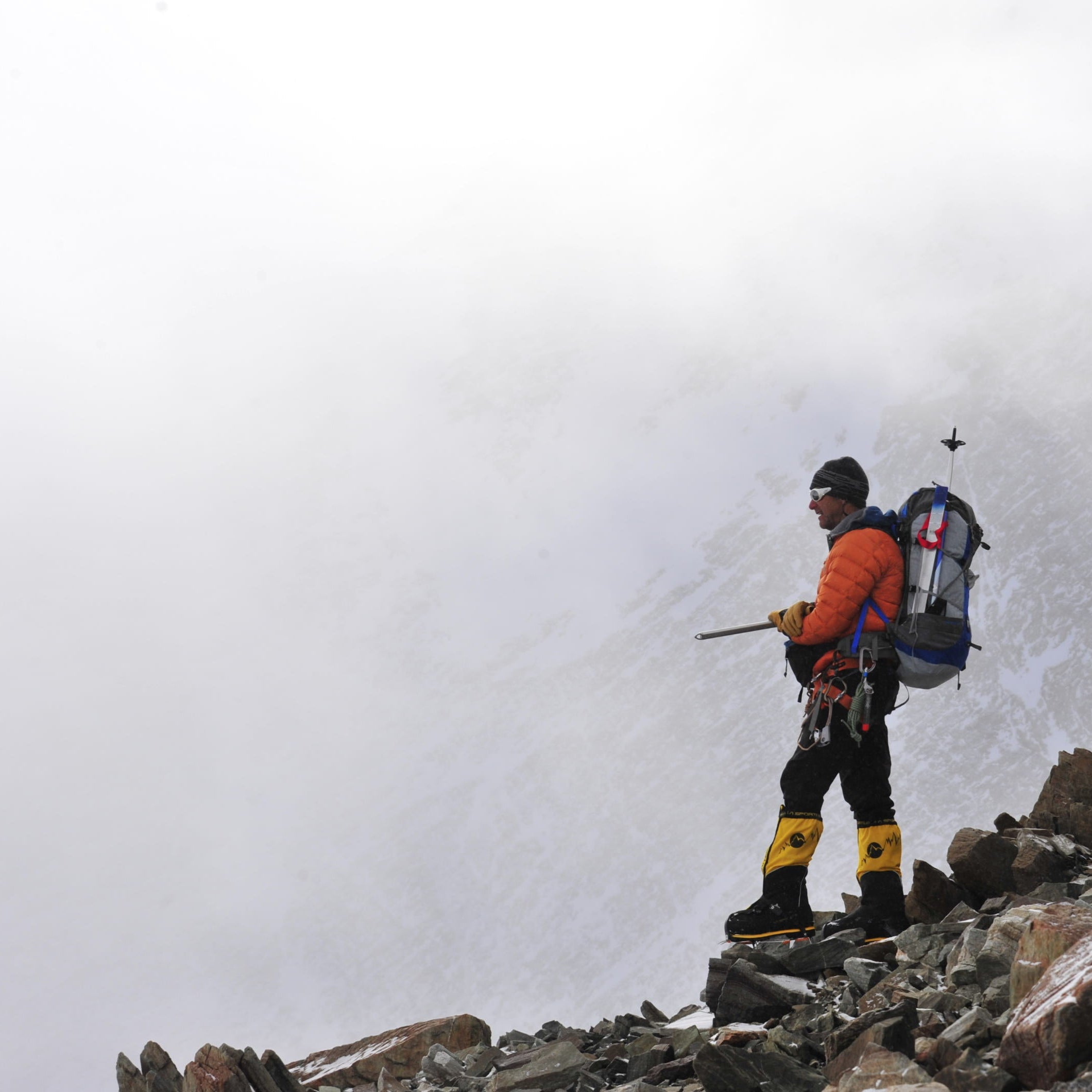
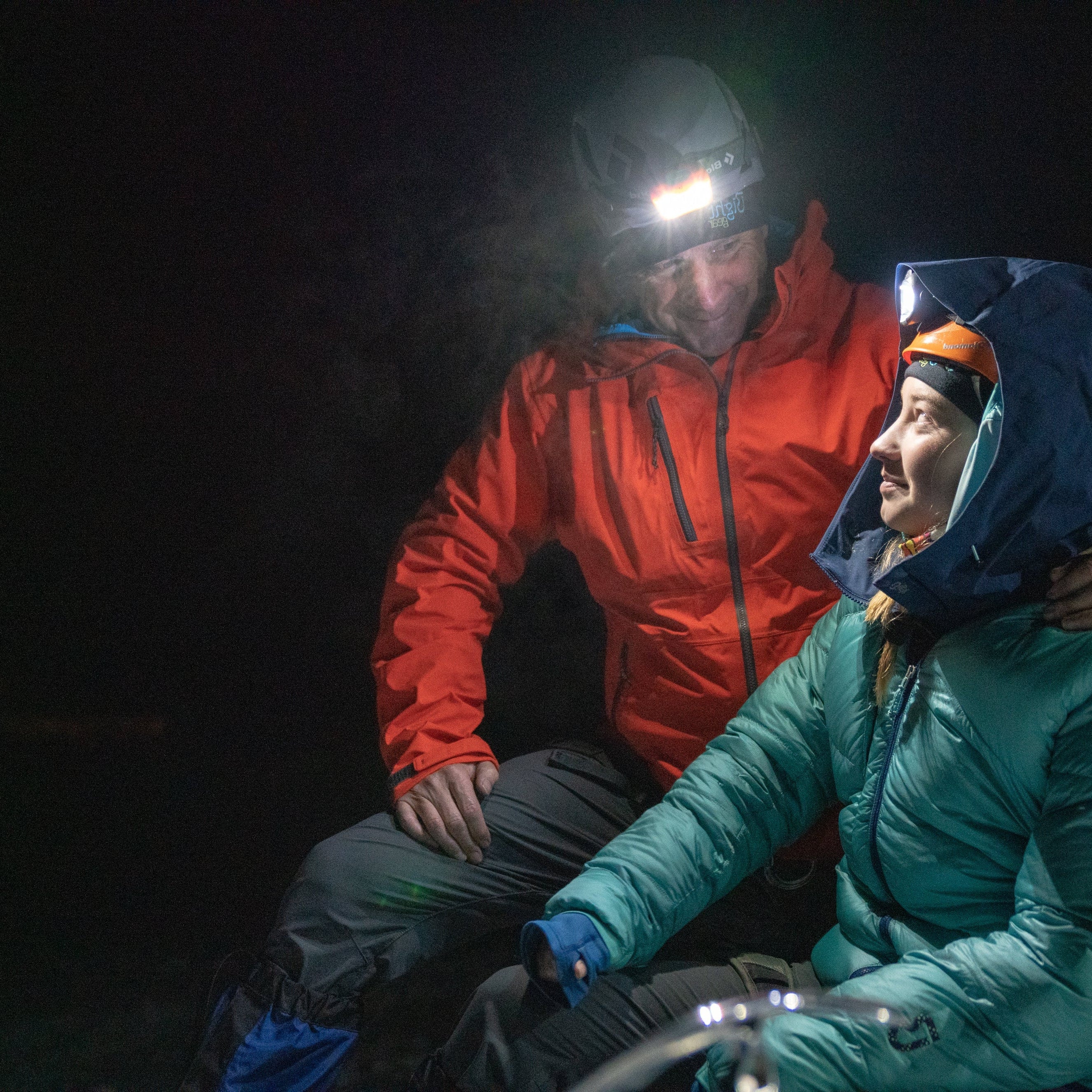
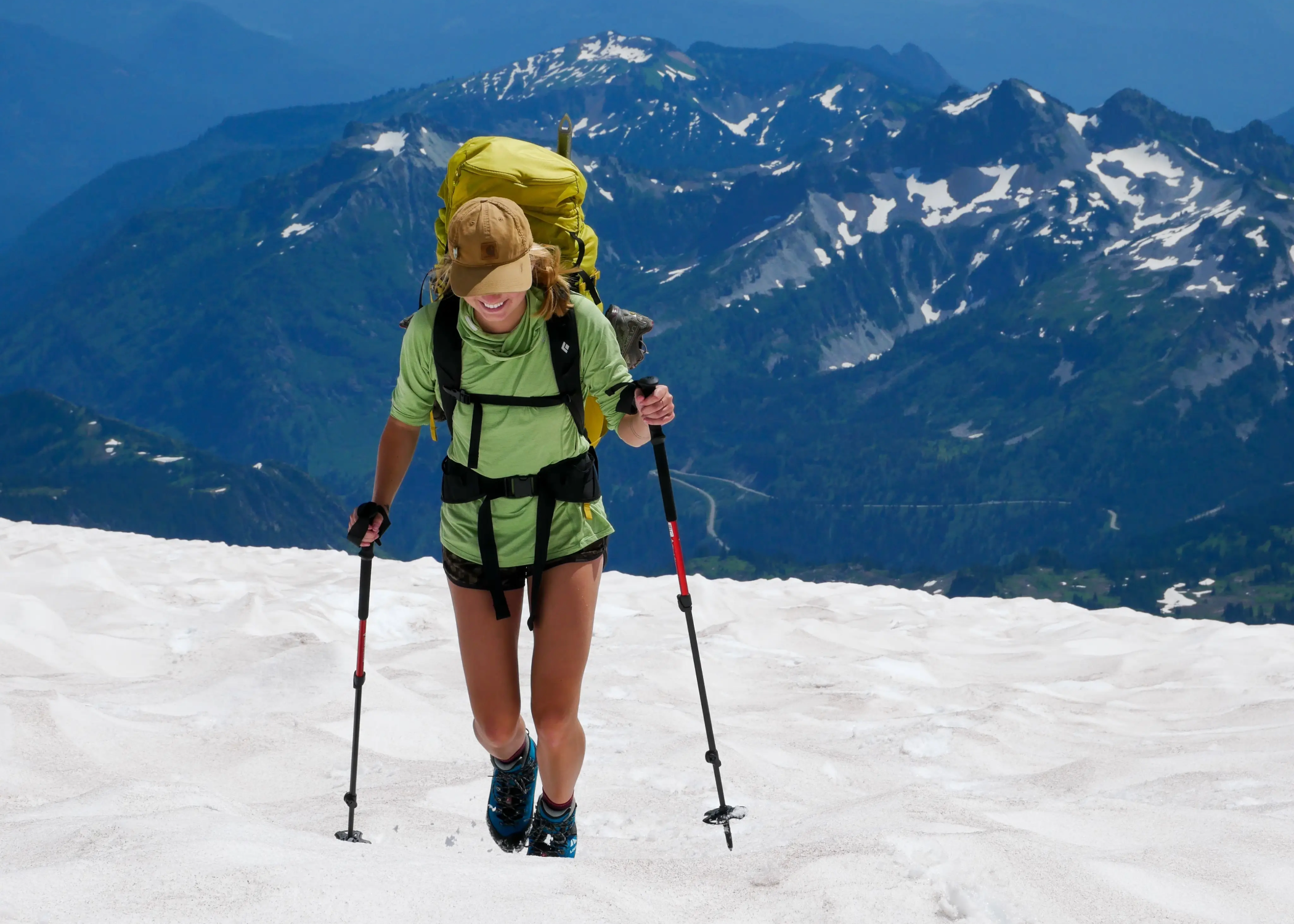
A good baselayer isn’t just about warmth — it’s about staying dry, moving freely, and not smelling like a locker room by day two. These are the ones our guides rely on: moisture-wicking, breathable, and built to perform whether you're climbing through sleet, sweating up a switchback, or crawling into a cold tent. Merino, synthetic, or a strategic blend — every piece here earns its spot in your layering system.
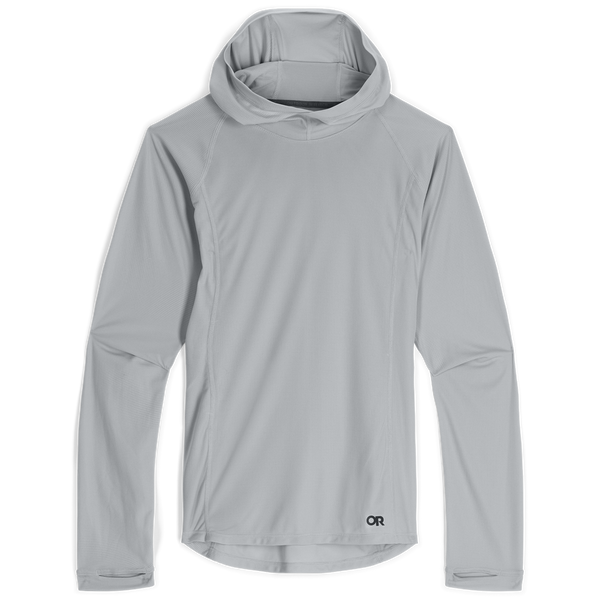
Field Tested · Guide Endorsed
Guide Picks
Skip the browsing — pick from the cream of the crop. Like our tagline says, we simplify outfitting.
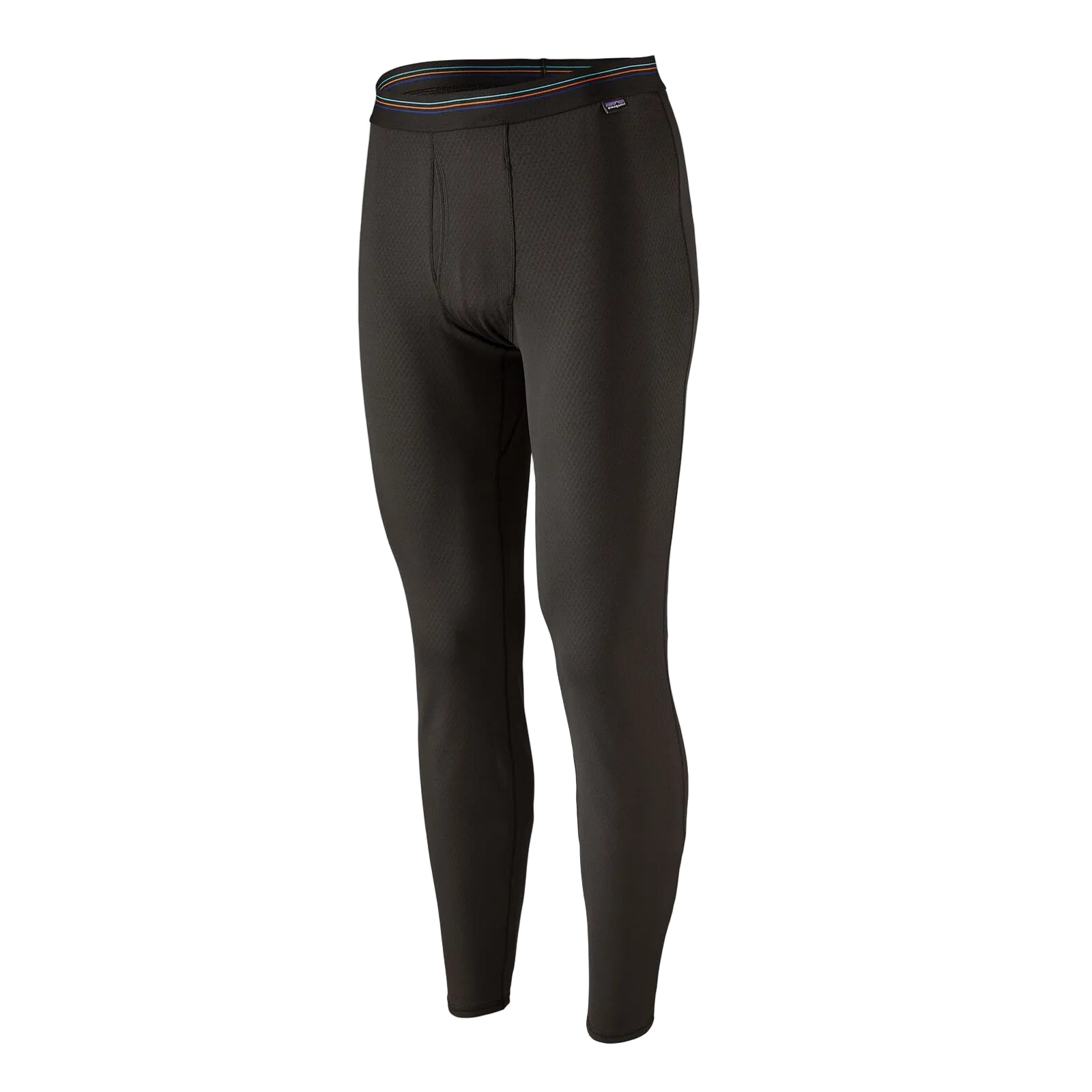
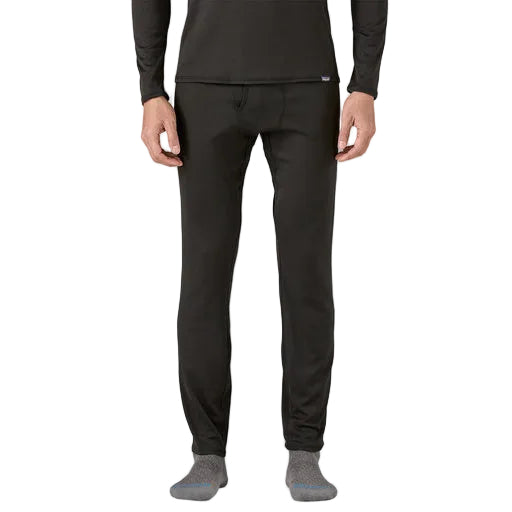

3 colors available
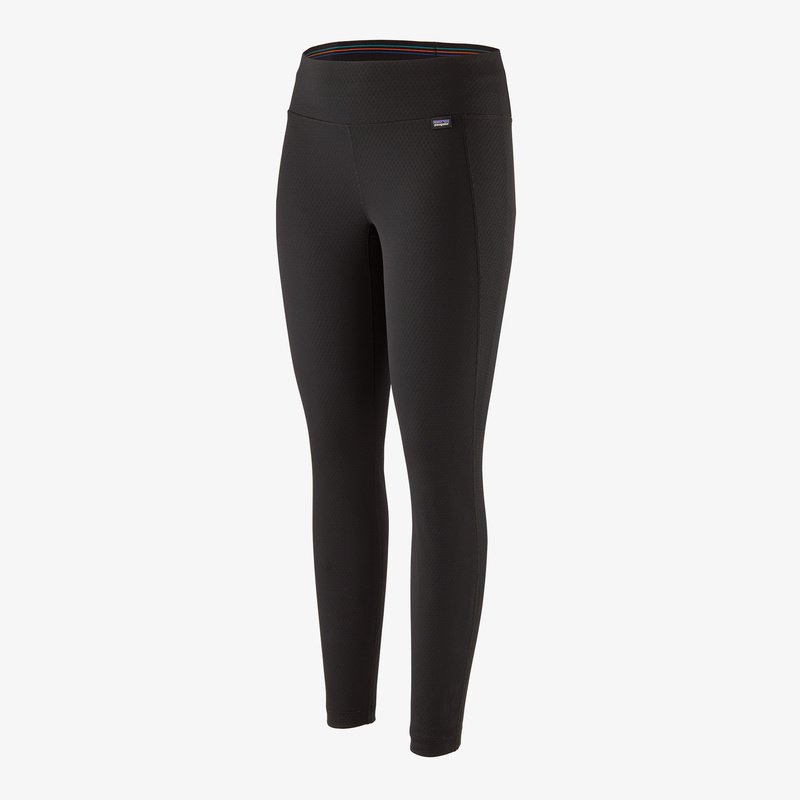
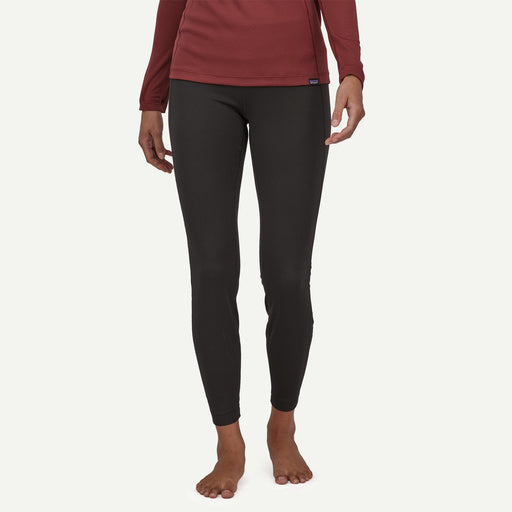
2 colors available
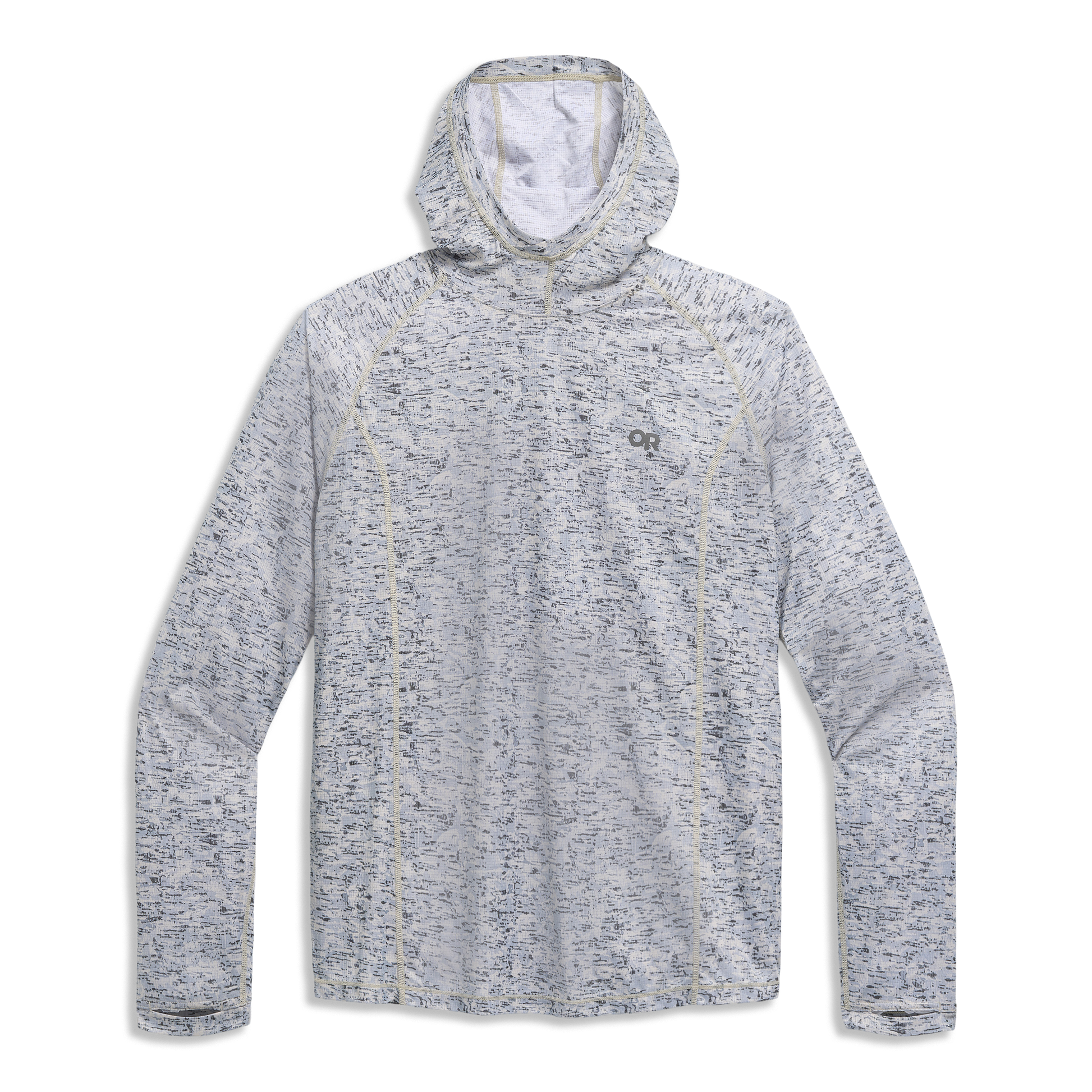
2 colors available
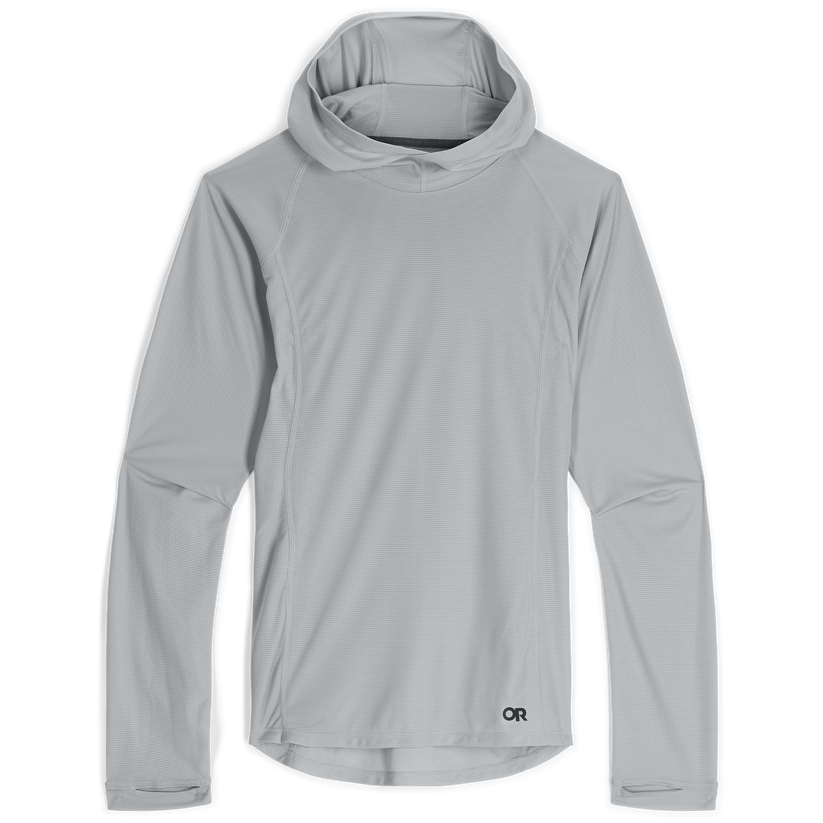
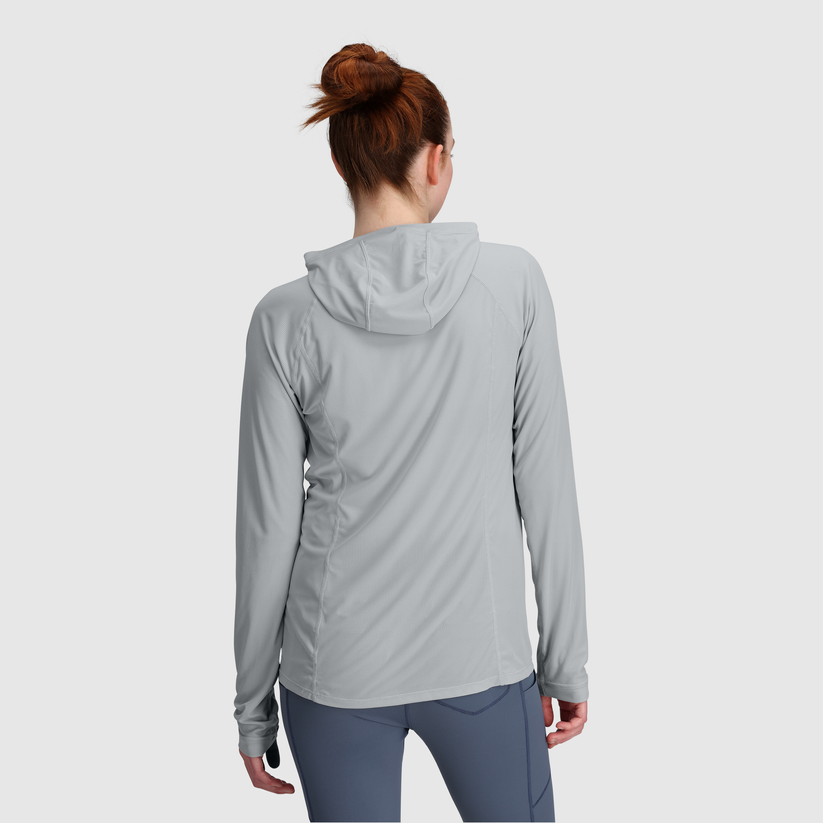
3 colors available
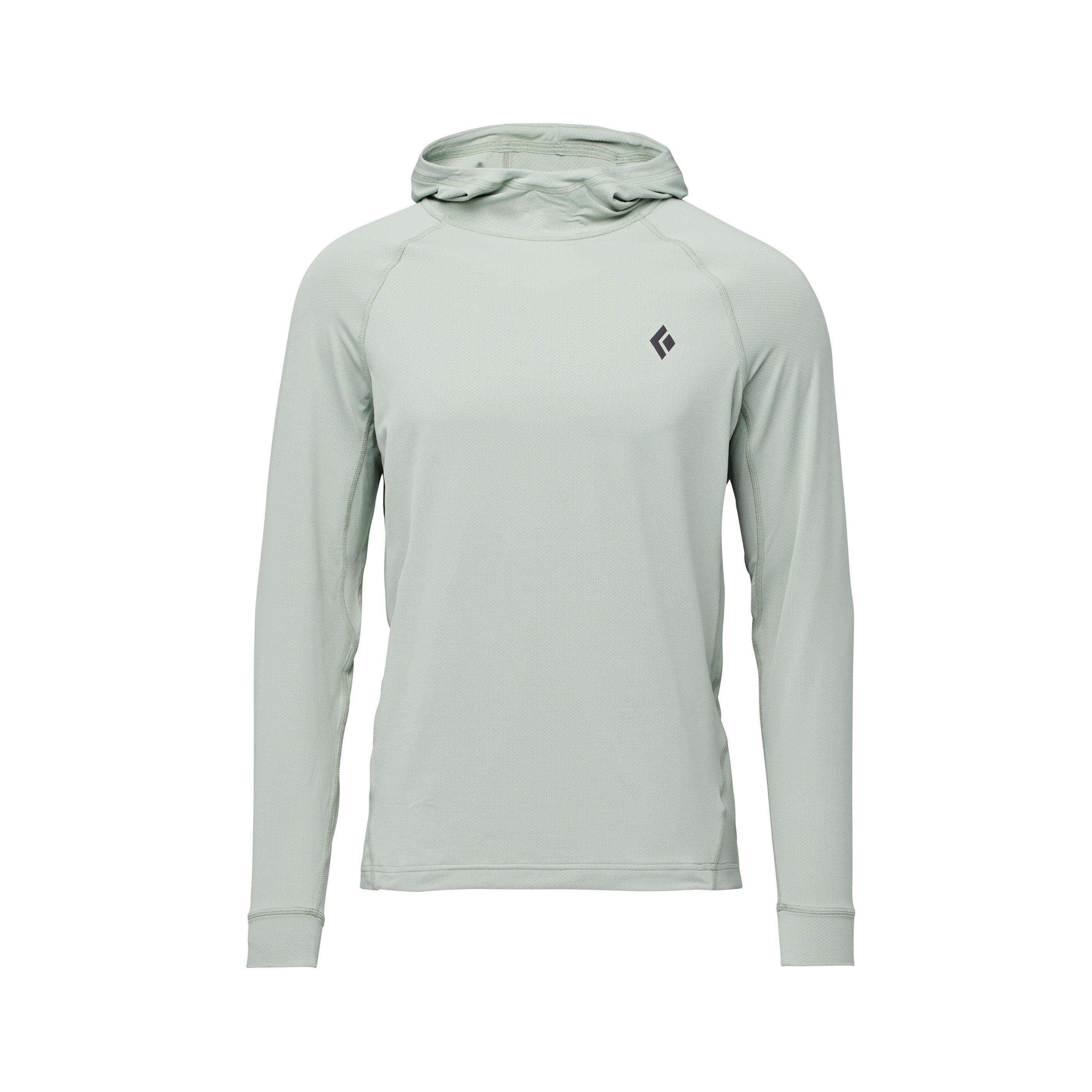
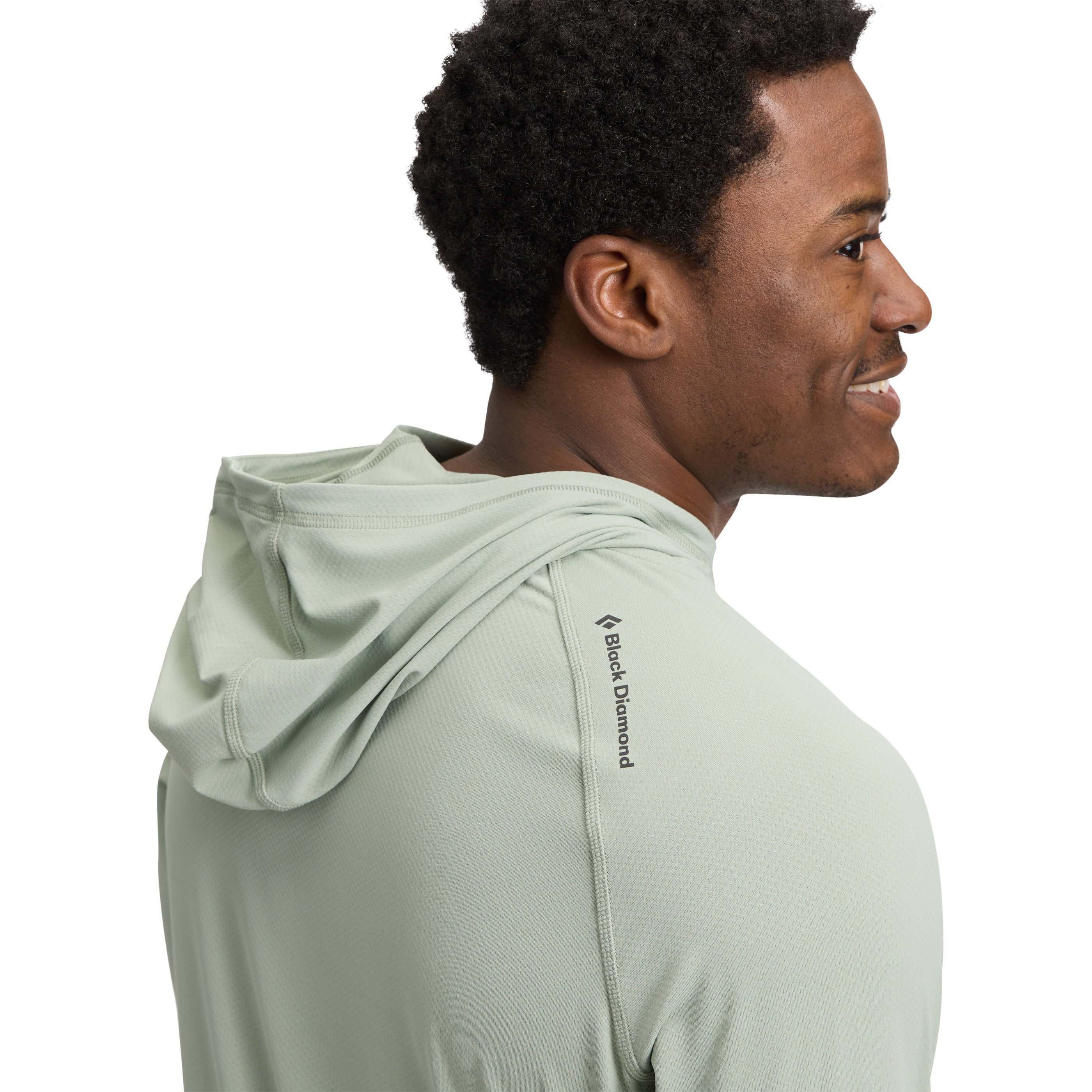
2 colors available
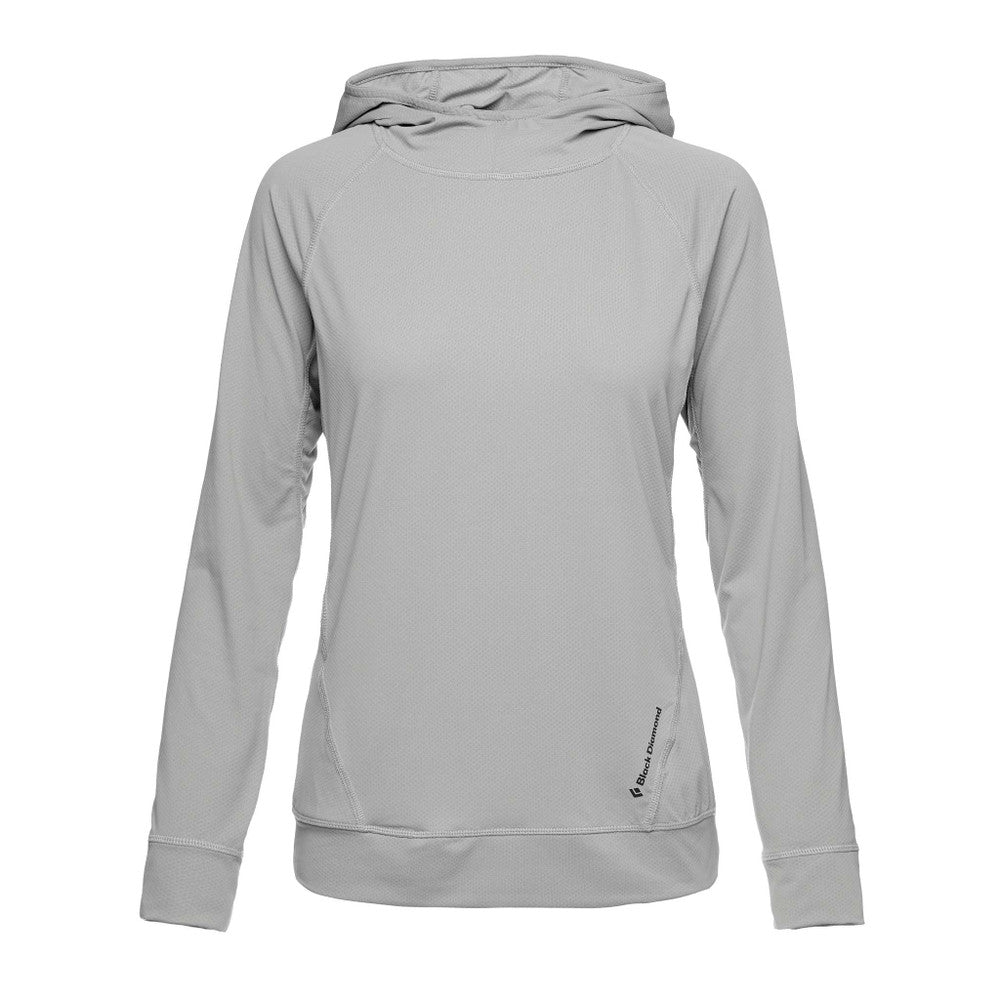
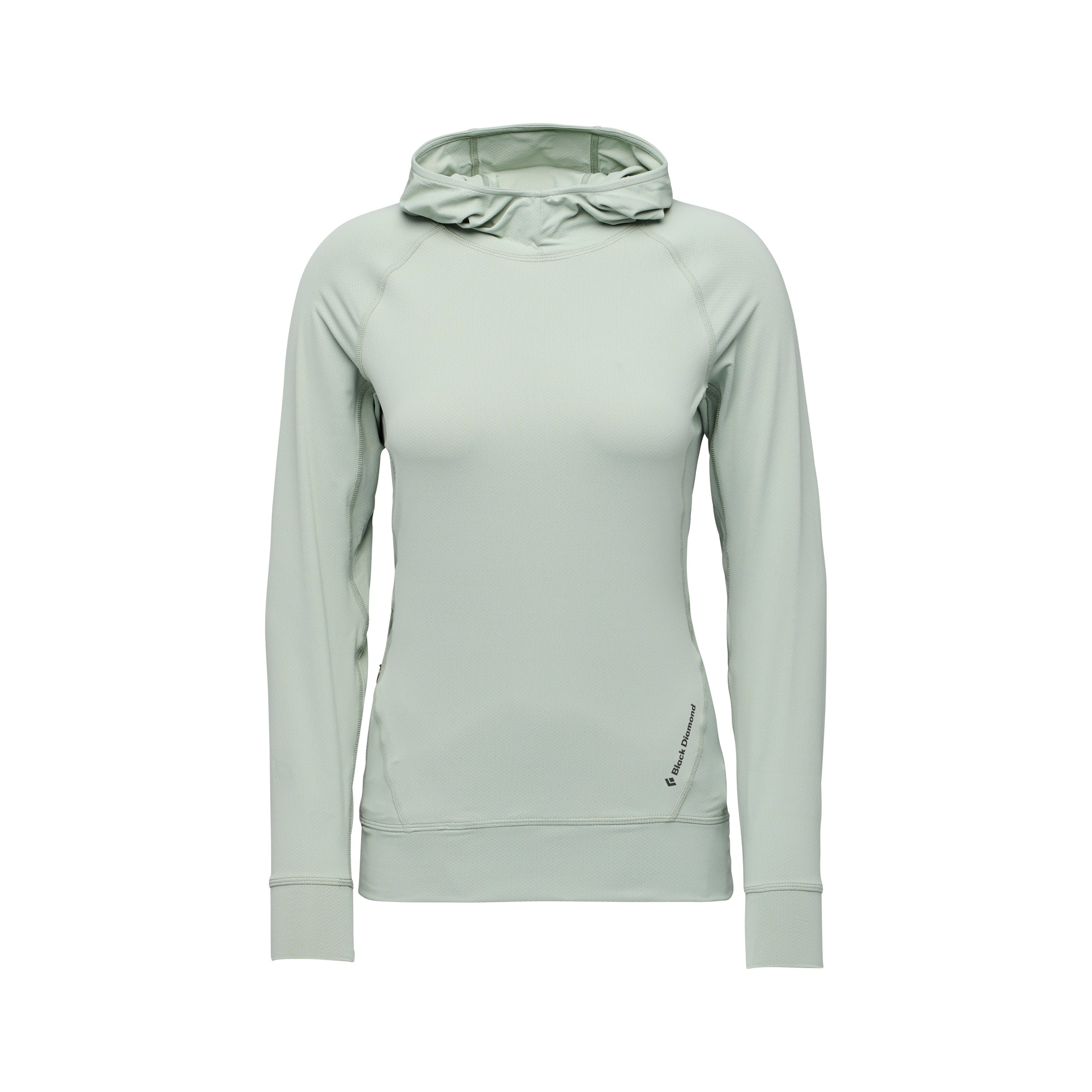
2 colors available
Filters
27 products
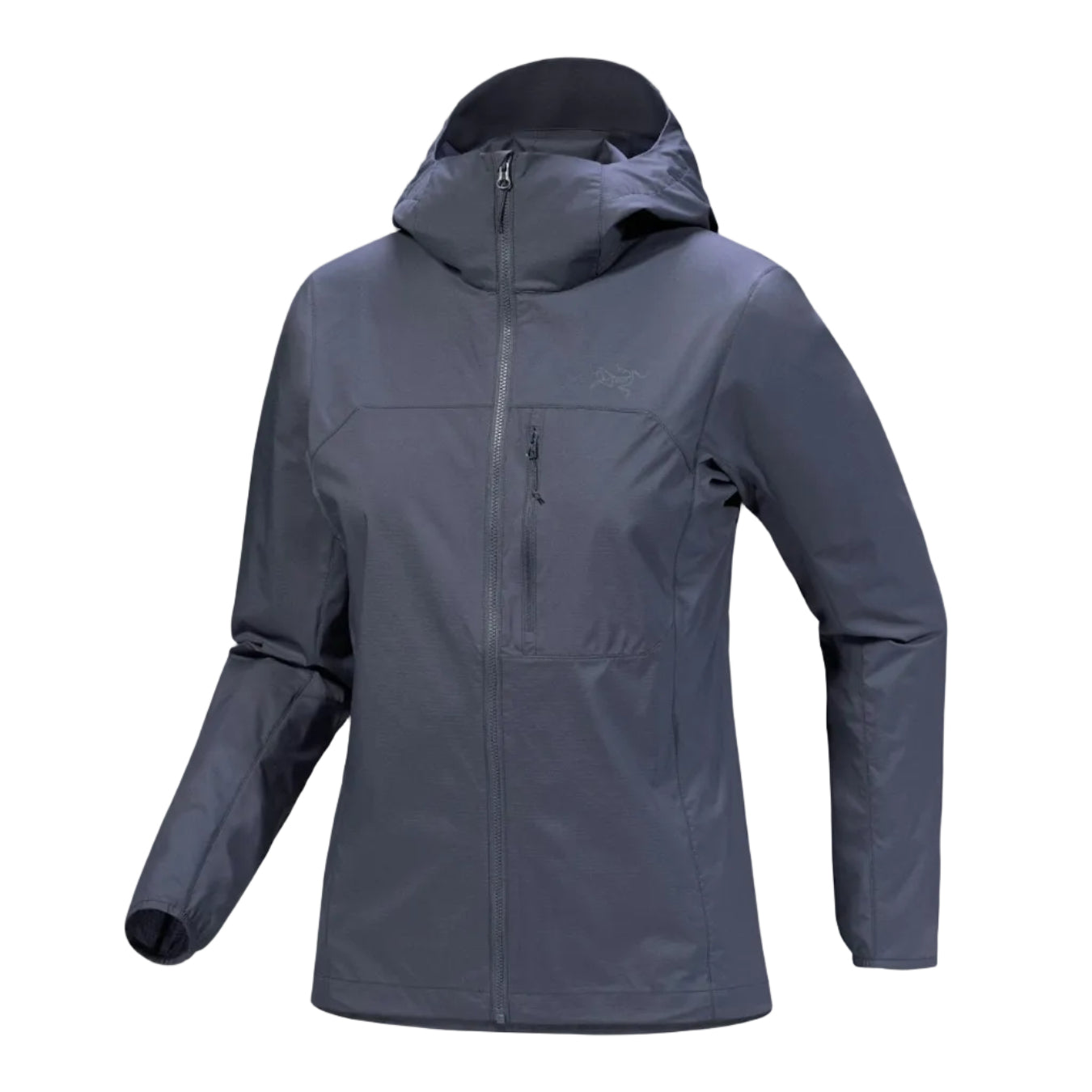
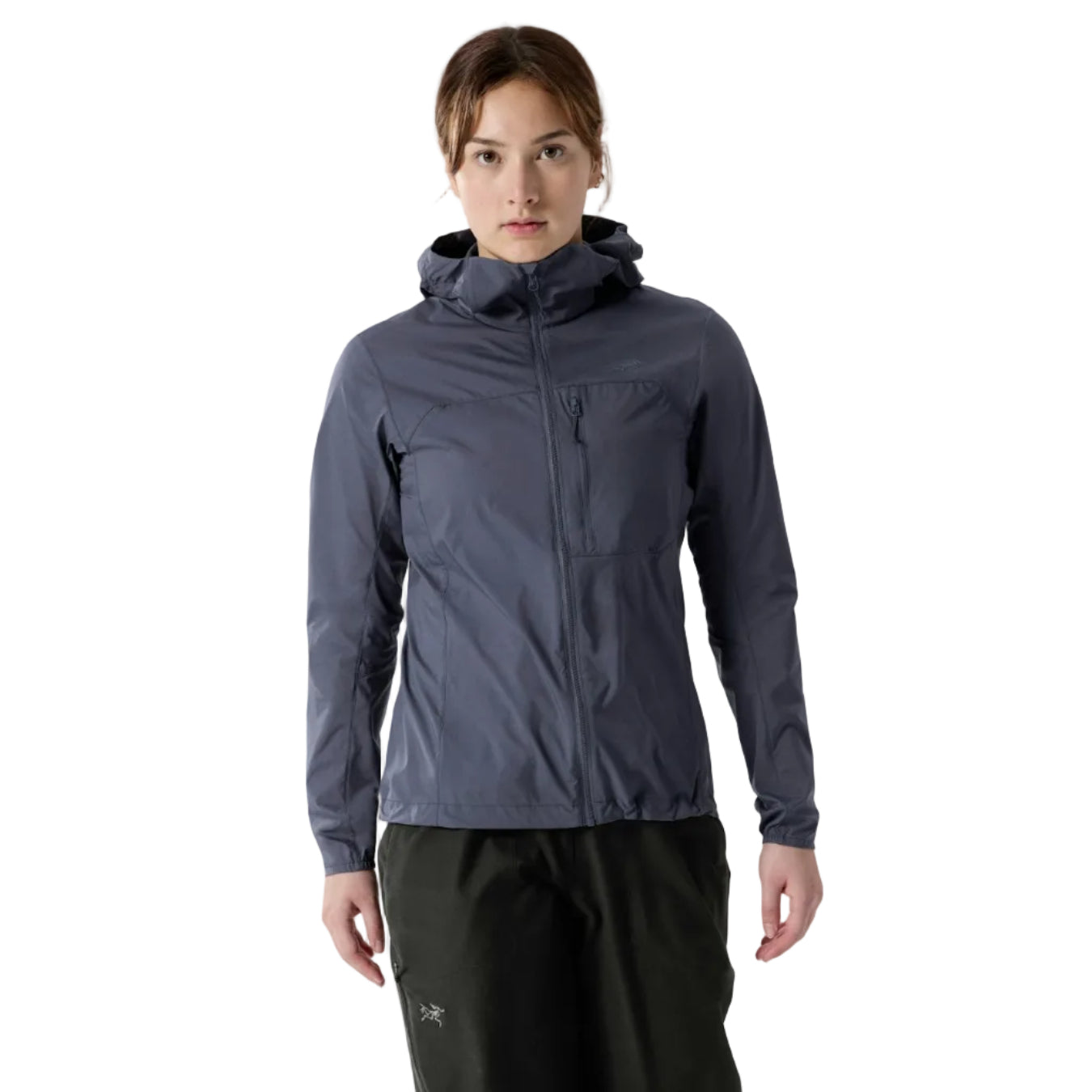
2 colors available
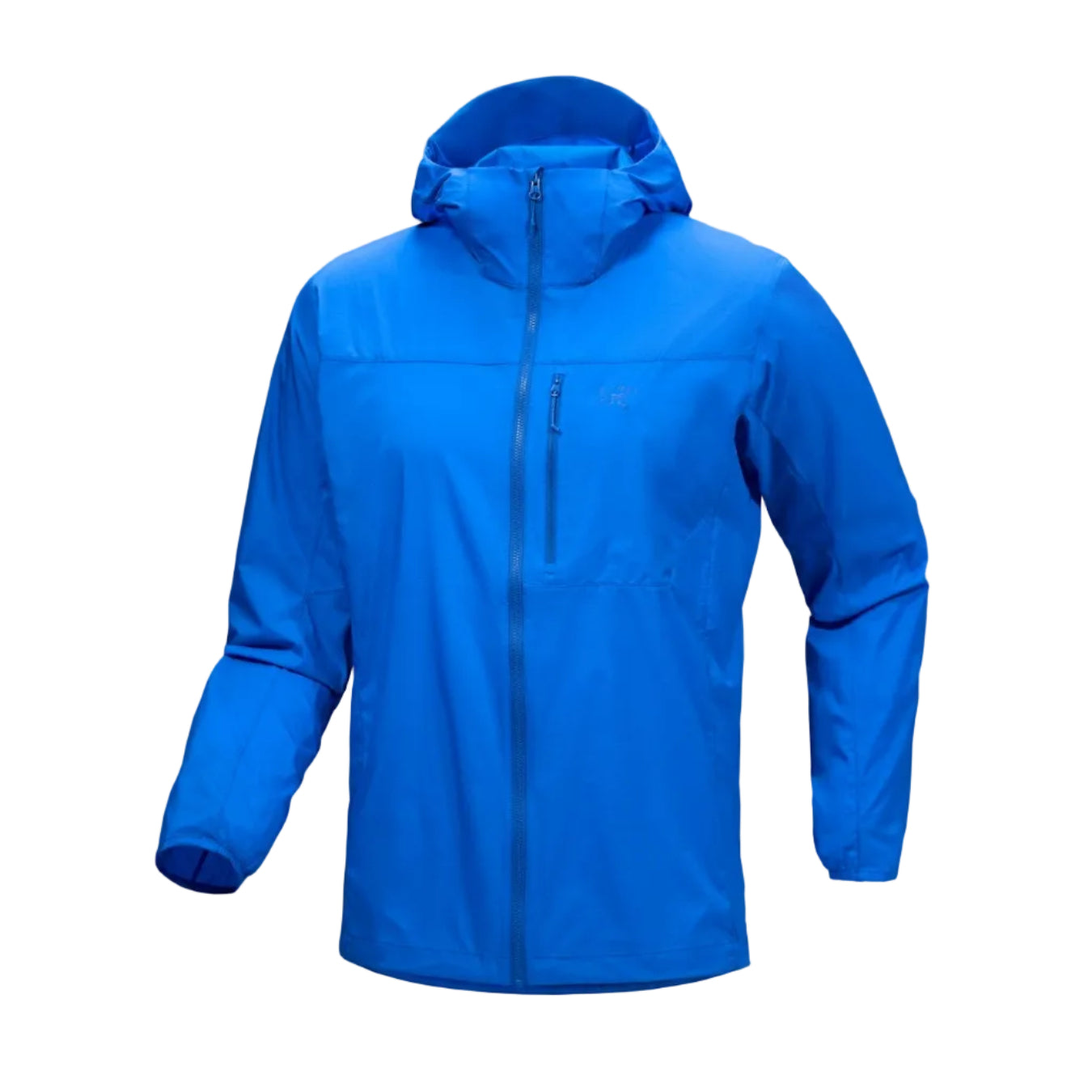
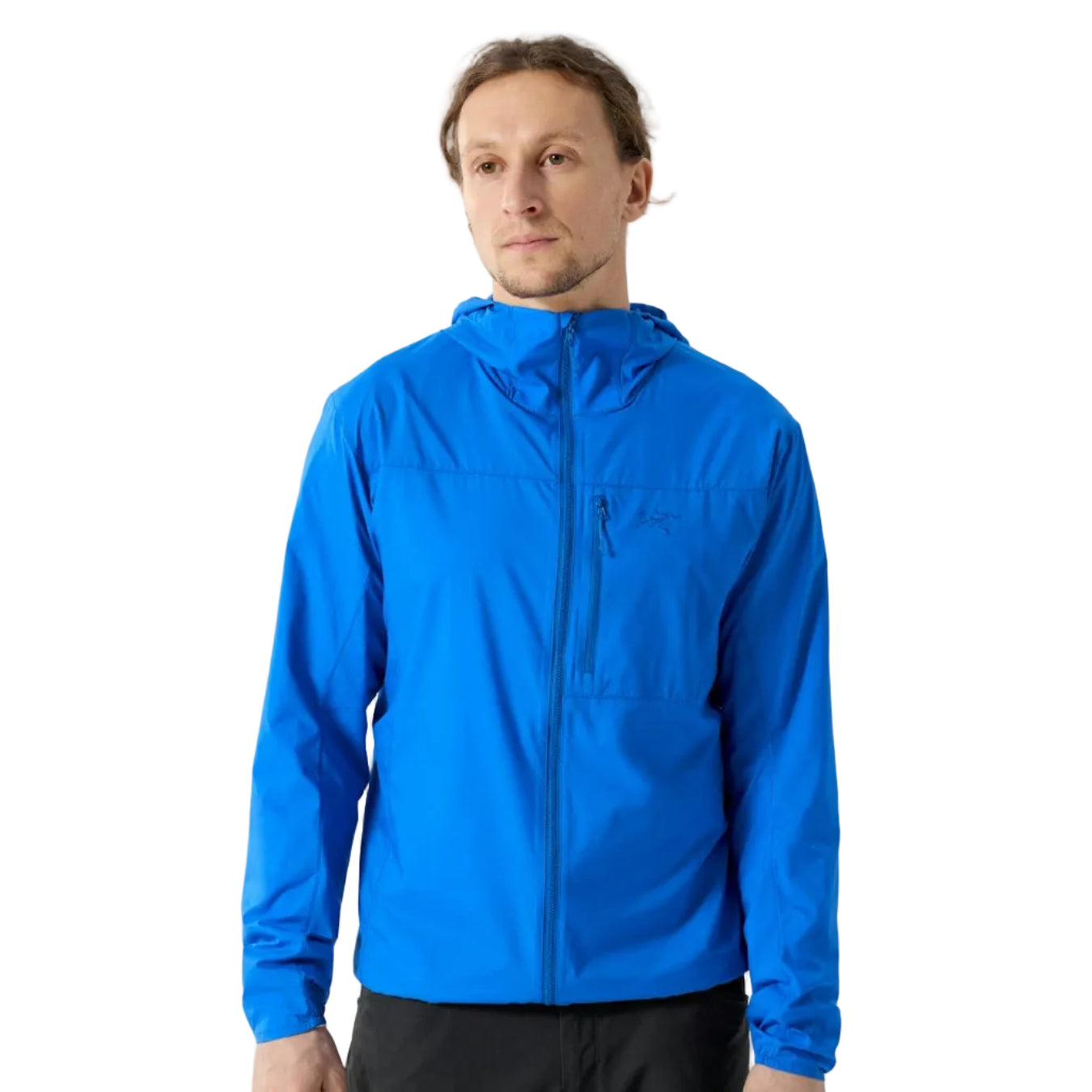
2 colors available
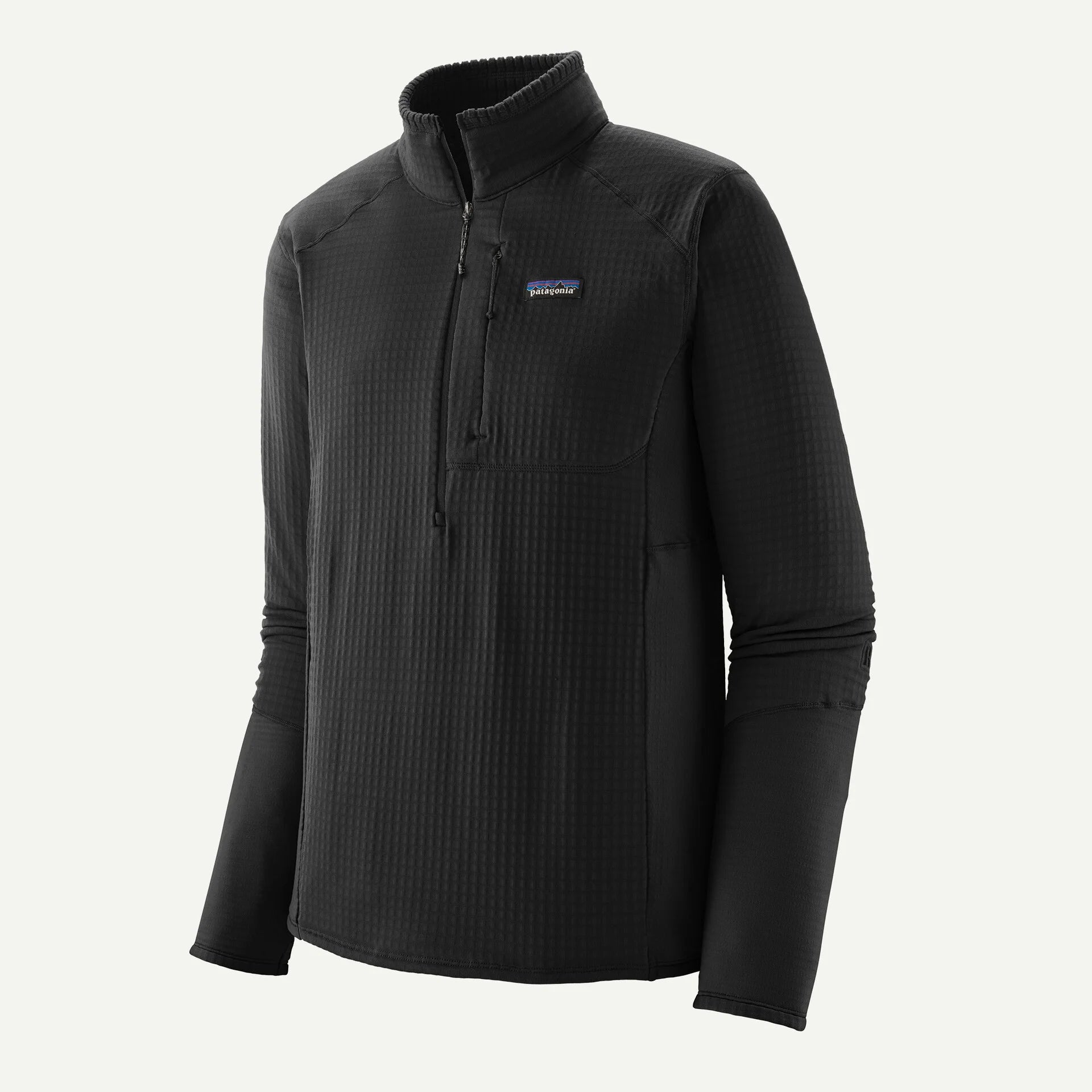
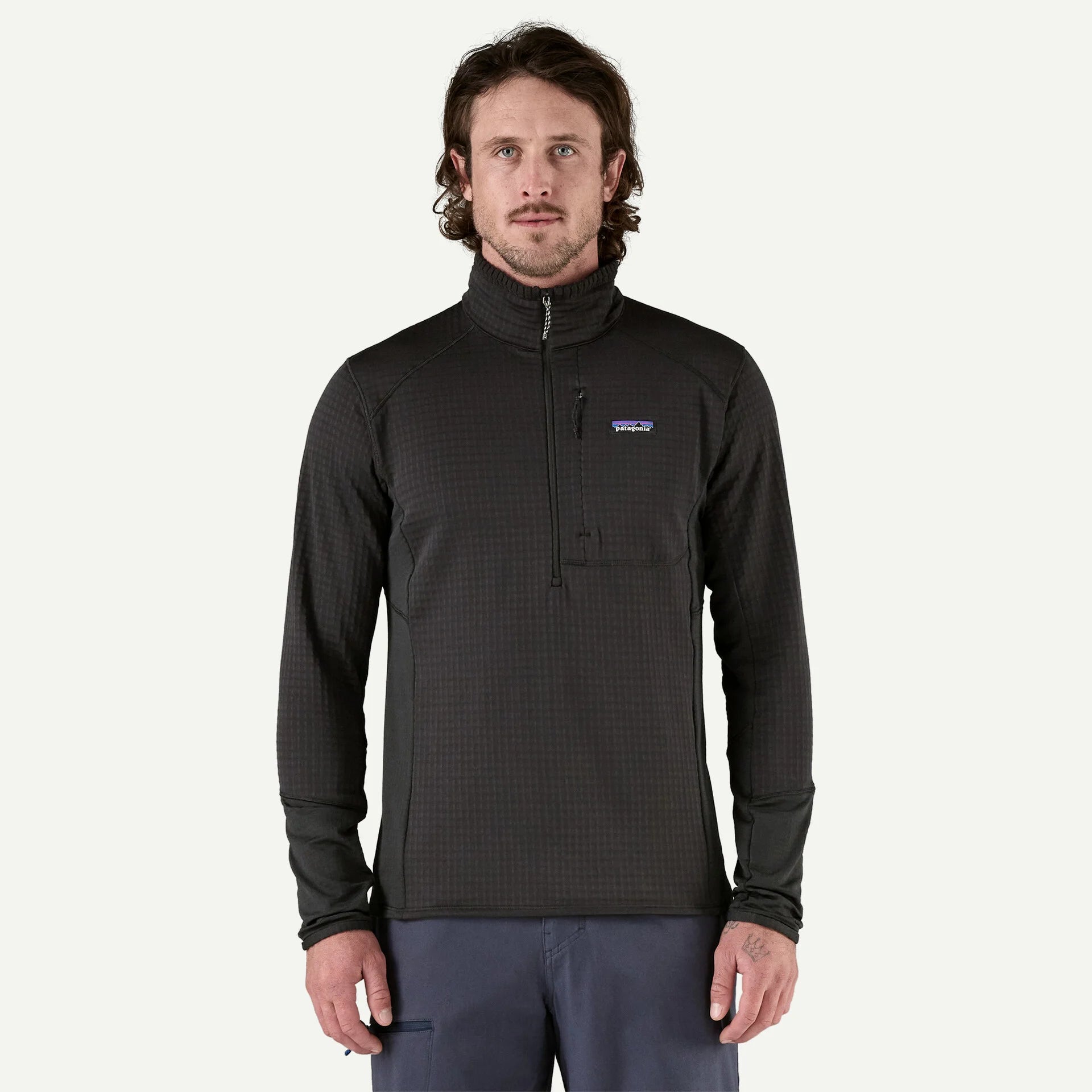
1 color available
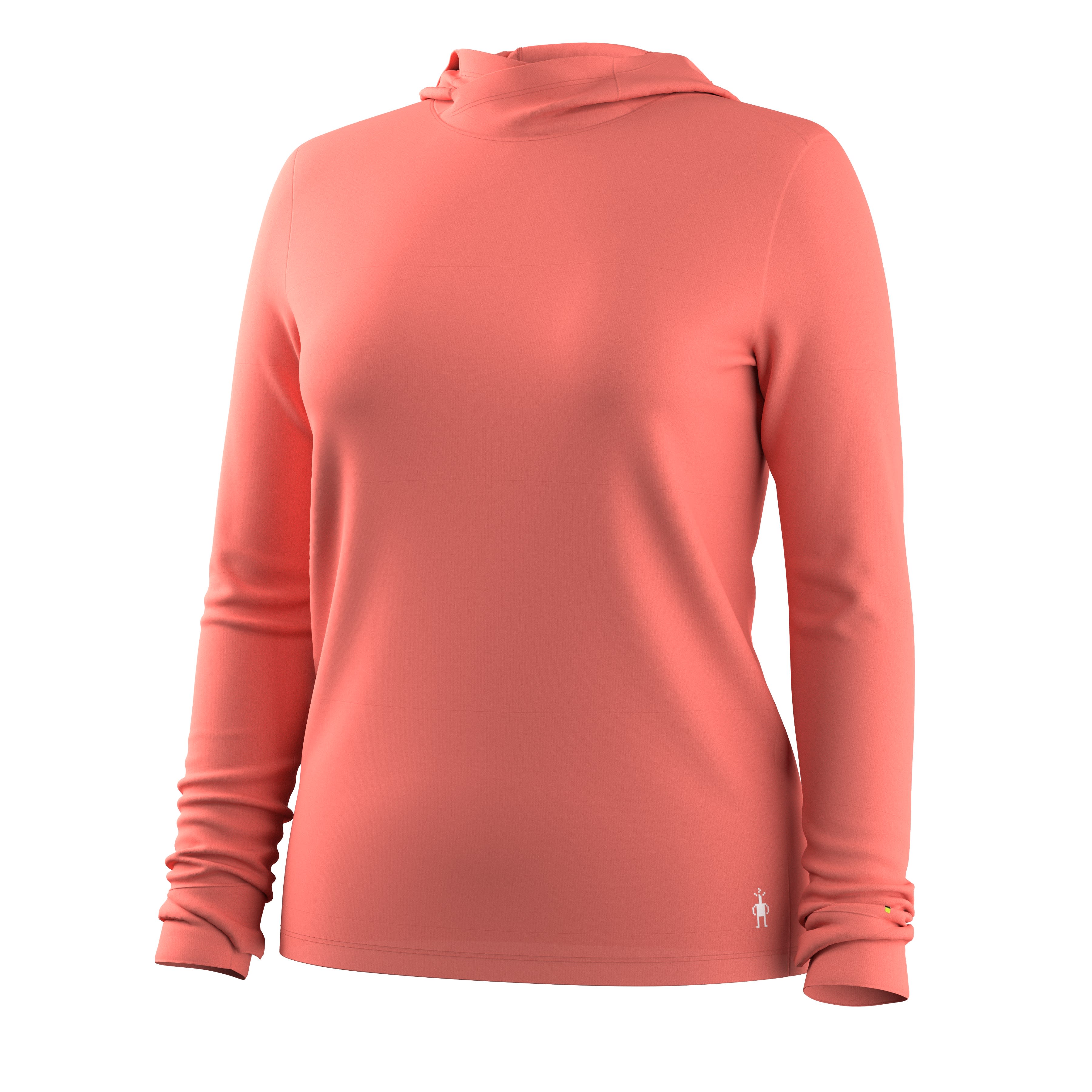
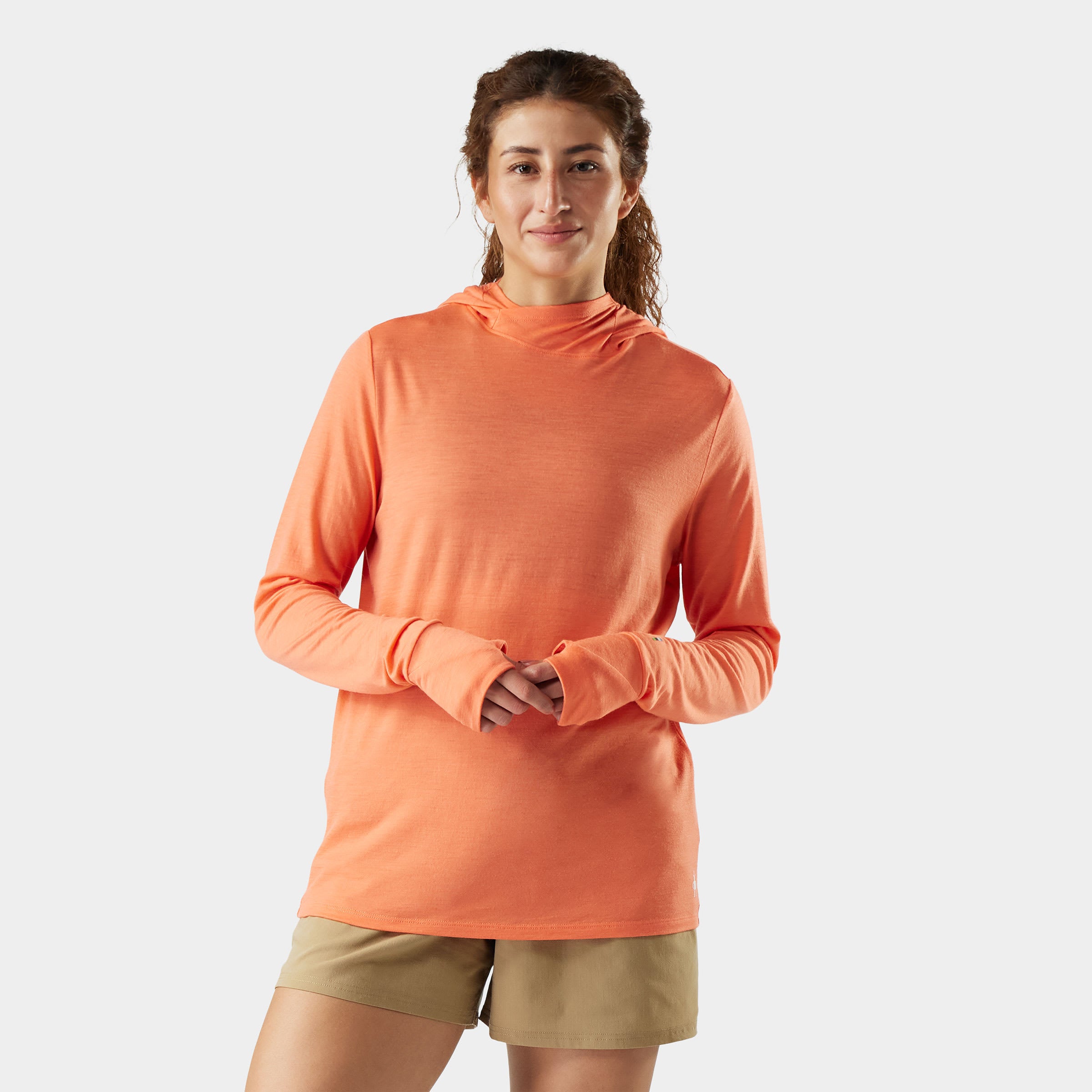
1 color available
1 color available
2 colors available
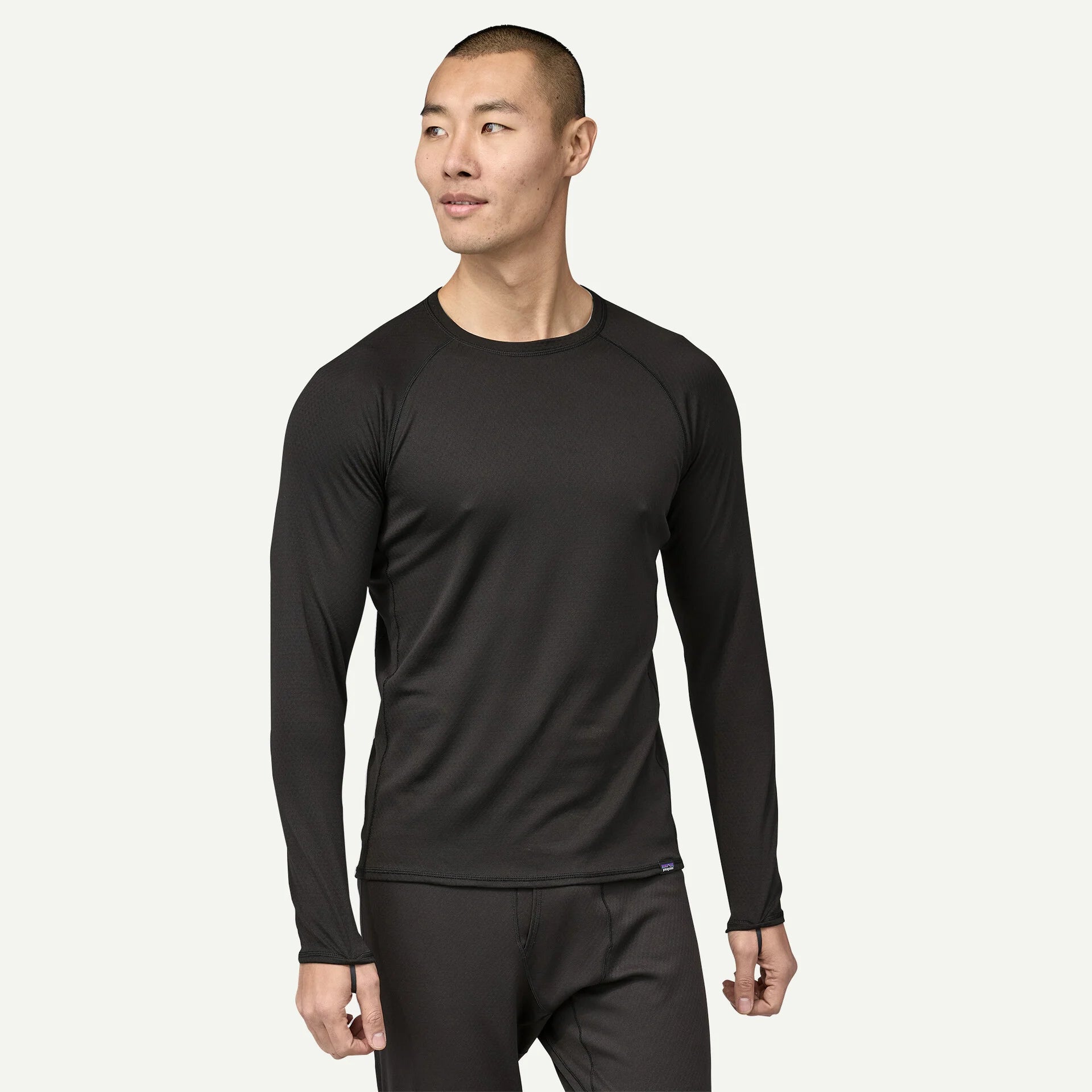
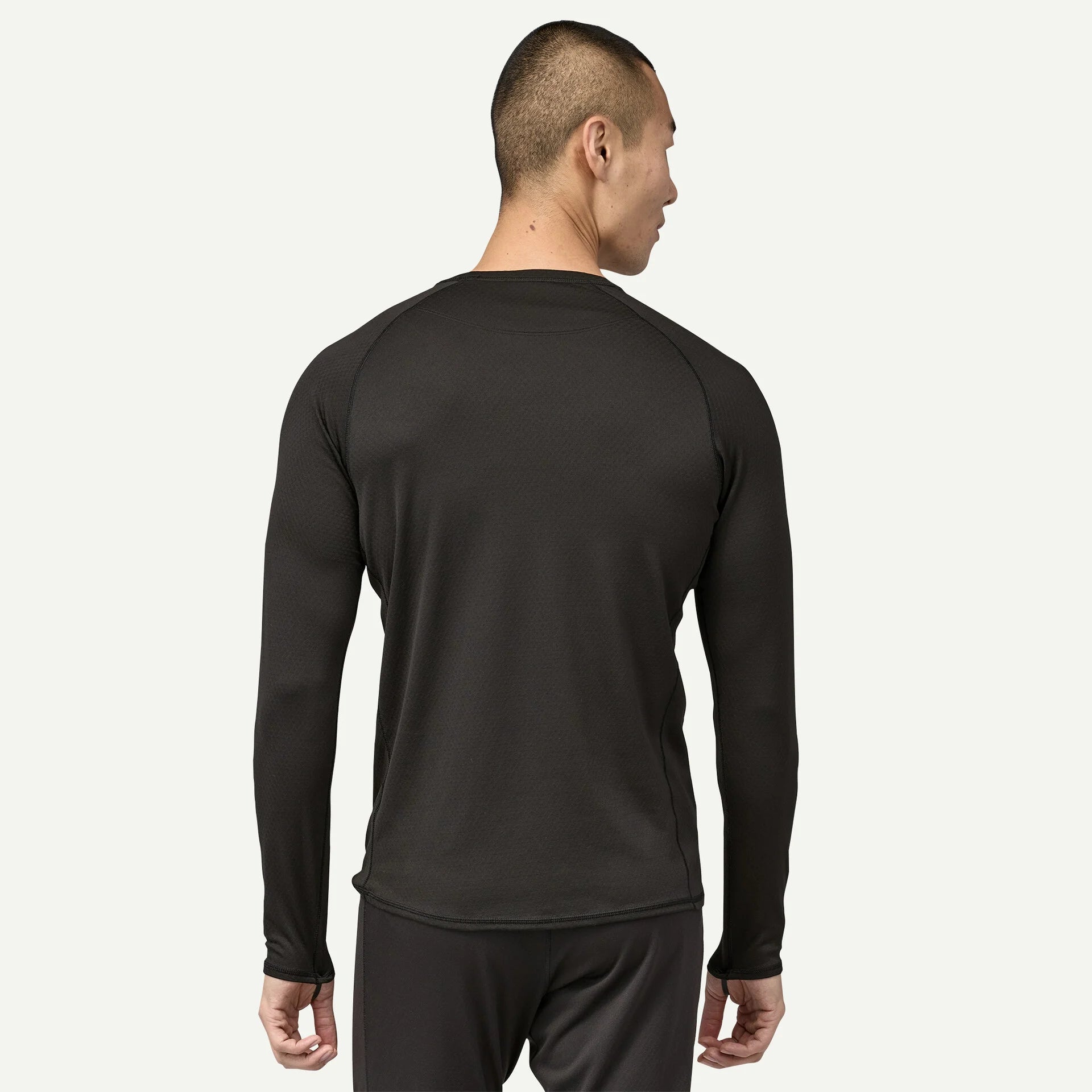
1 color available
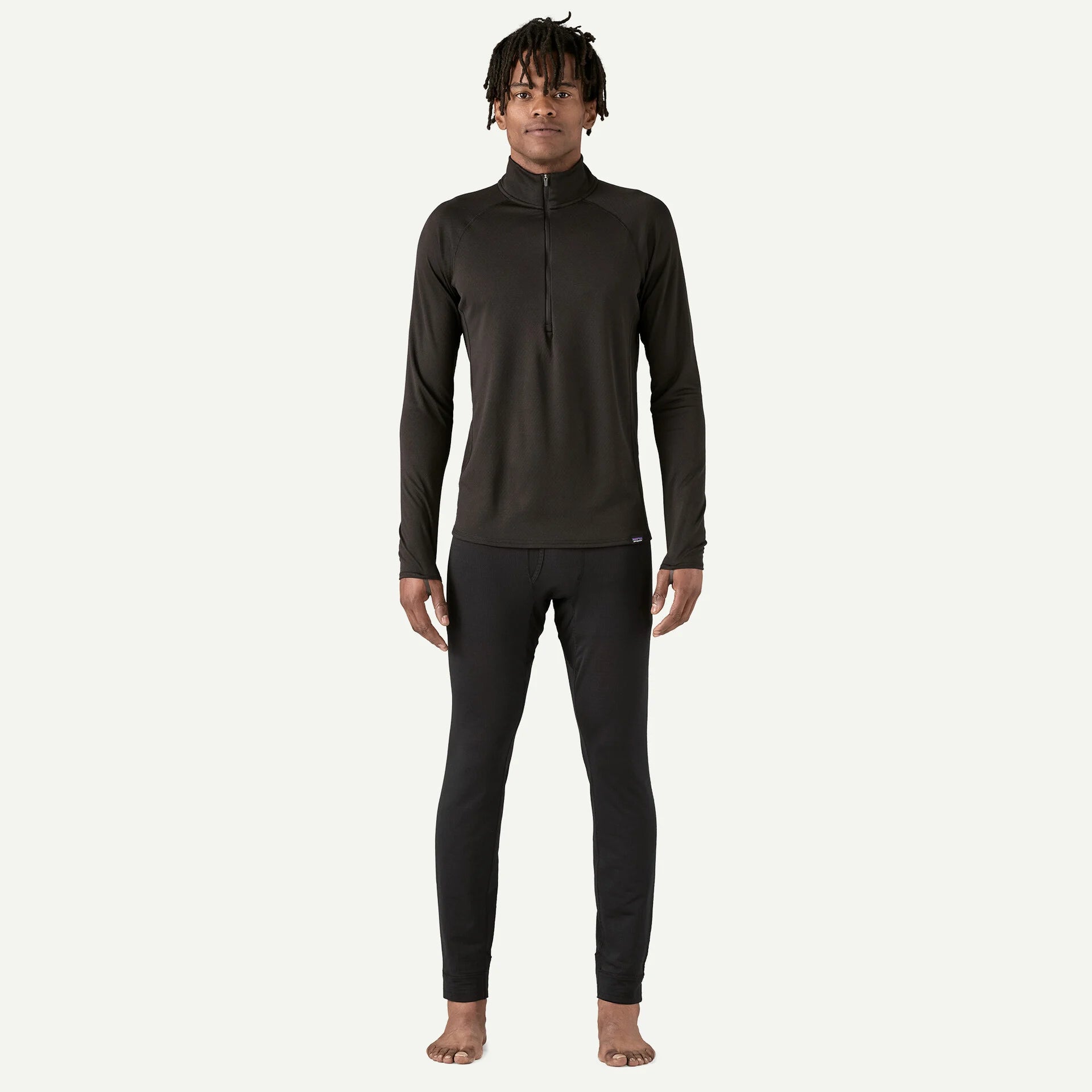
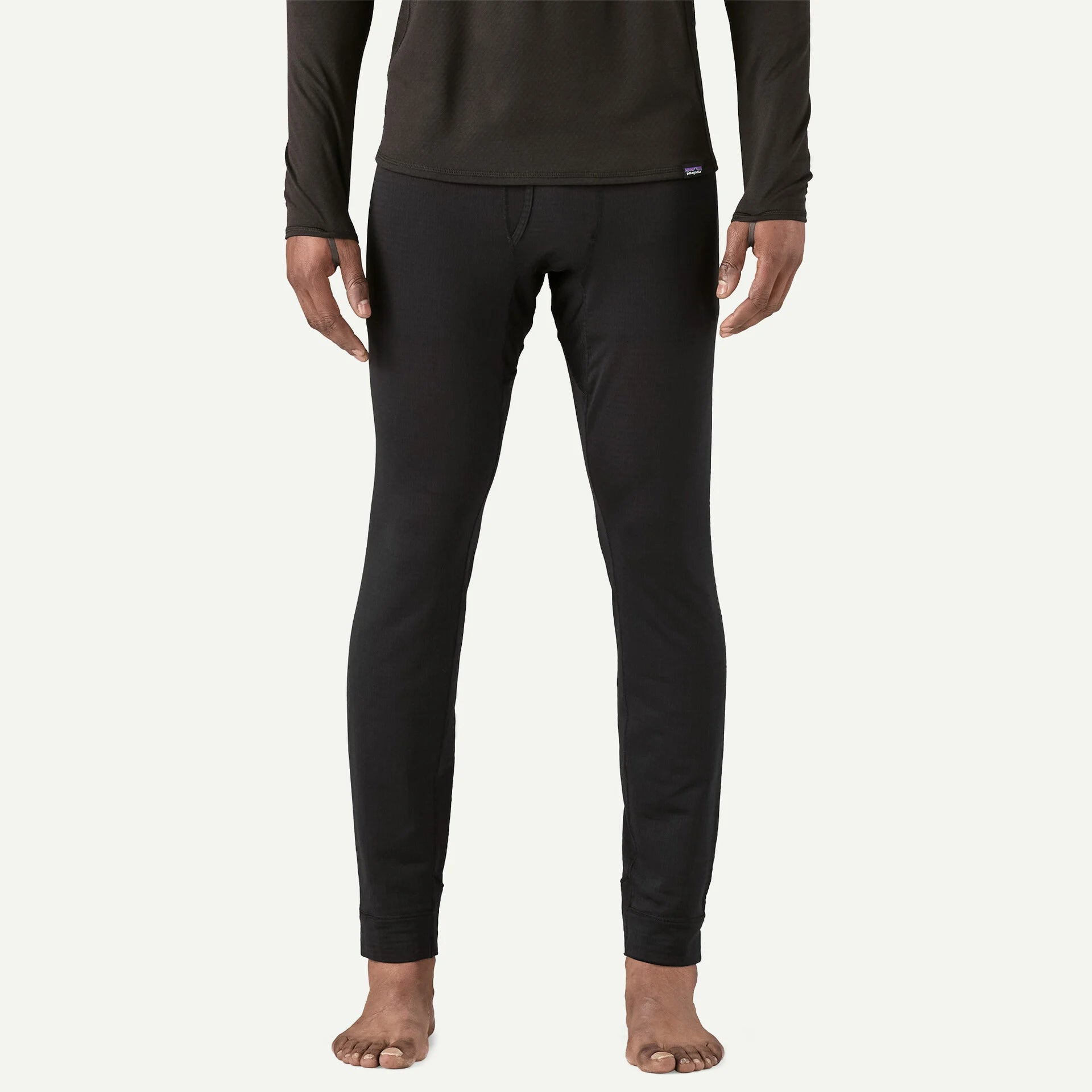
1 color available
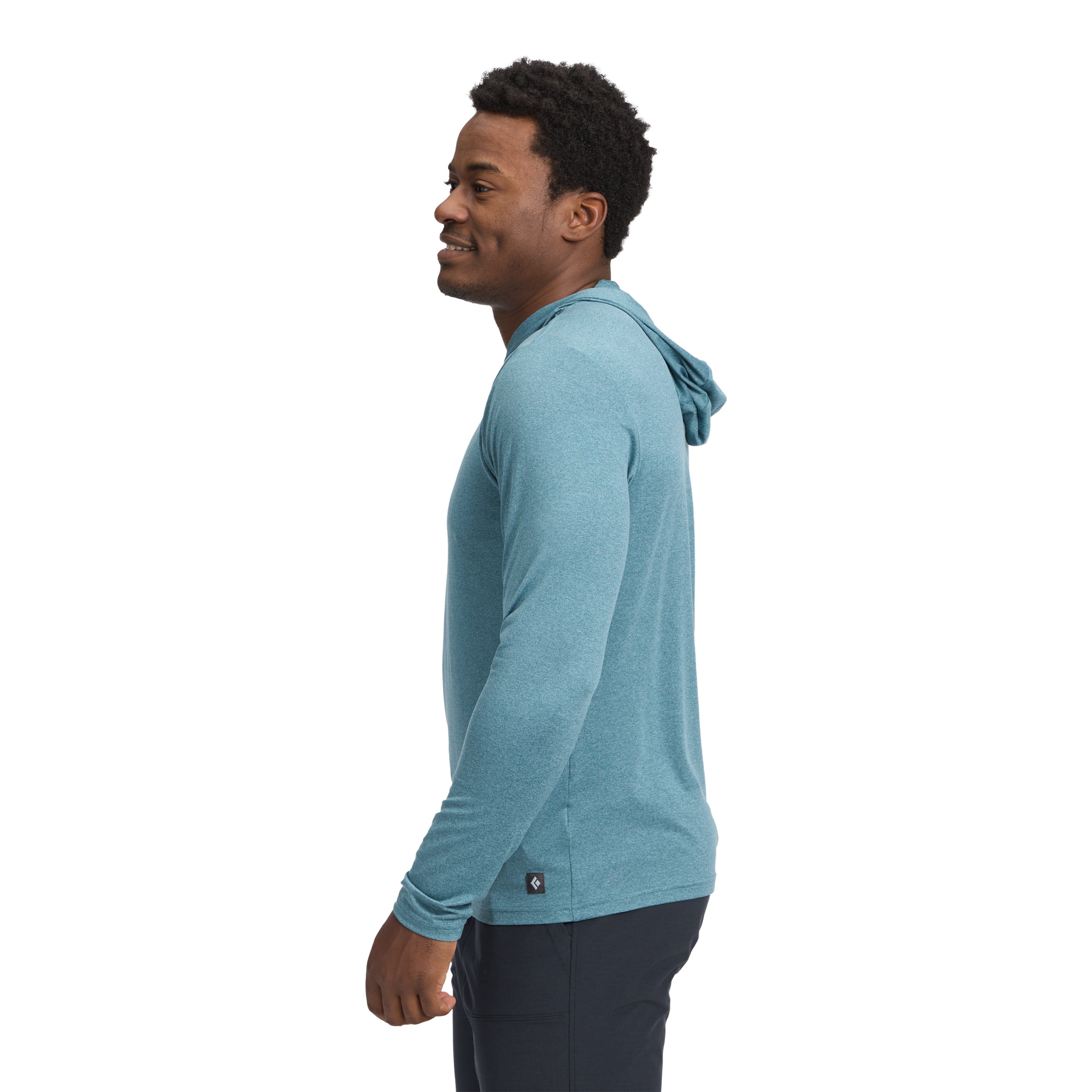
4 colors available
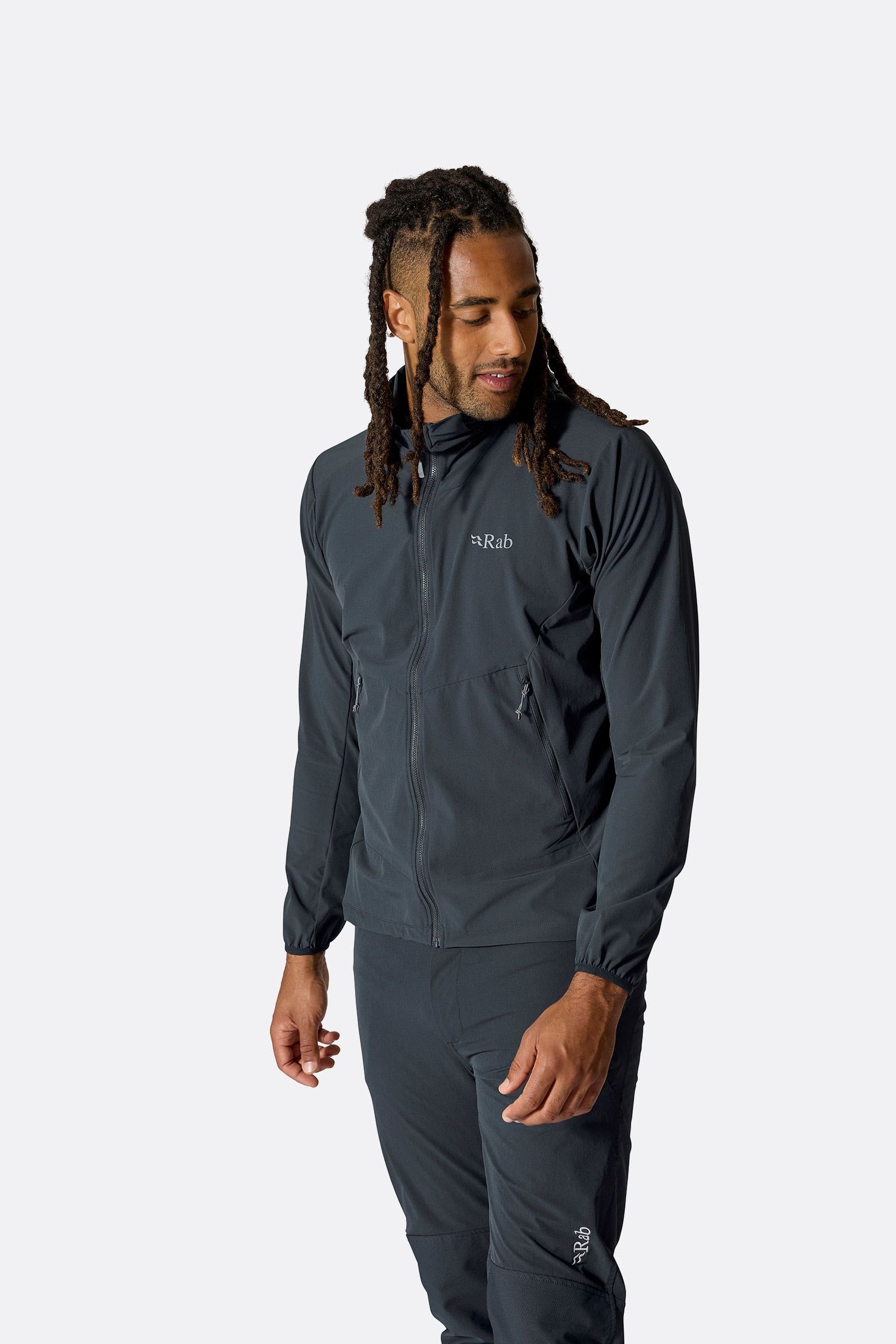
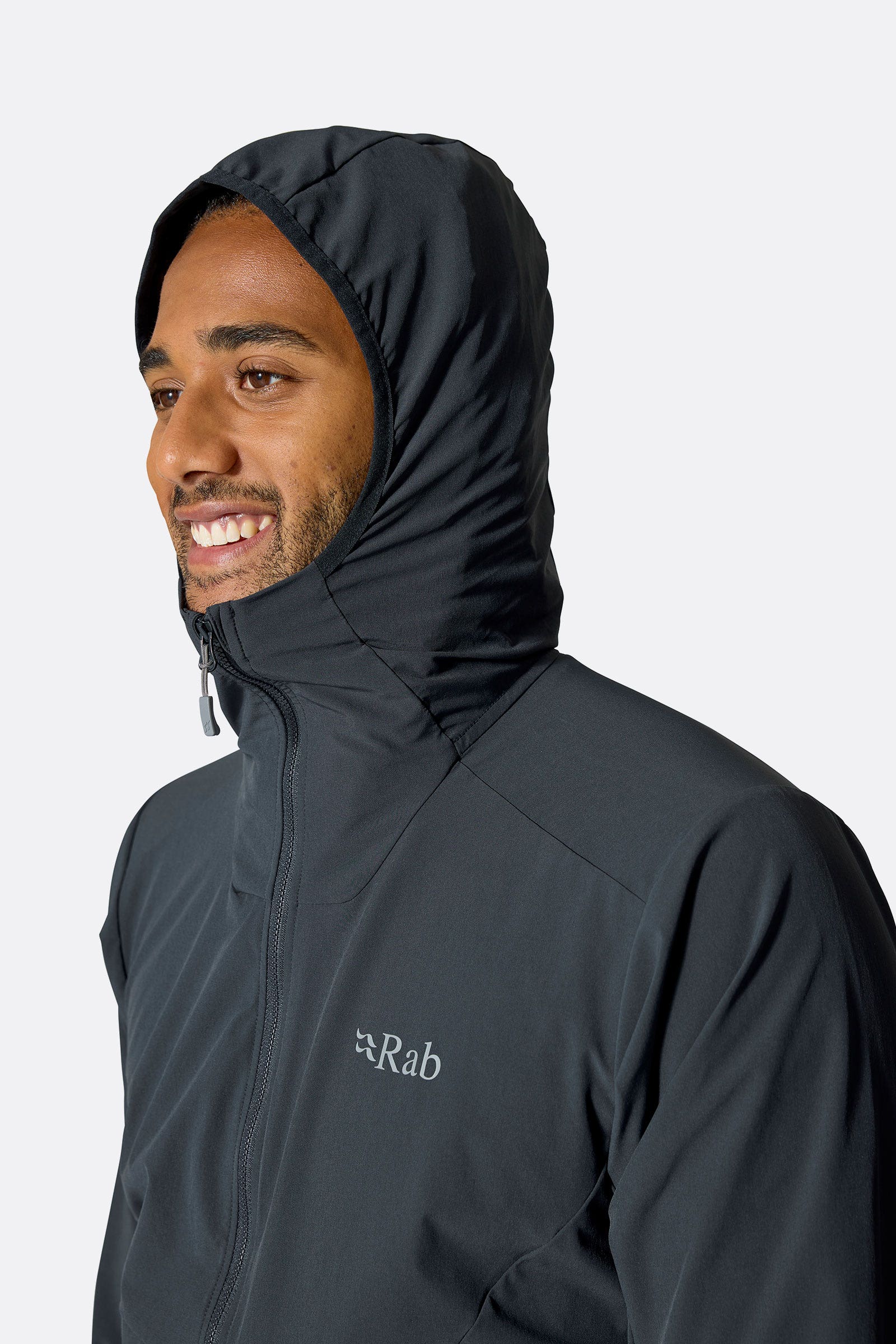
1 color available
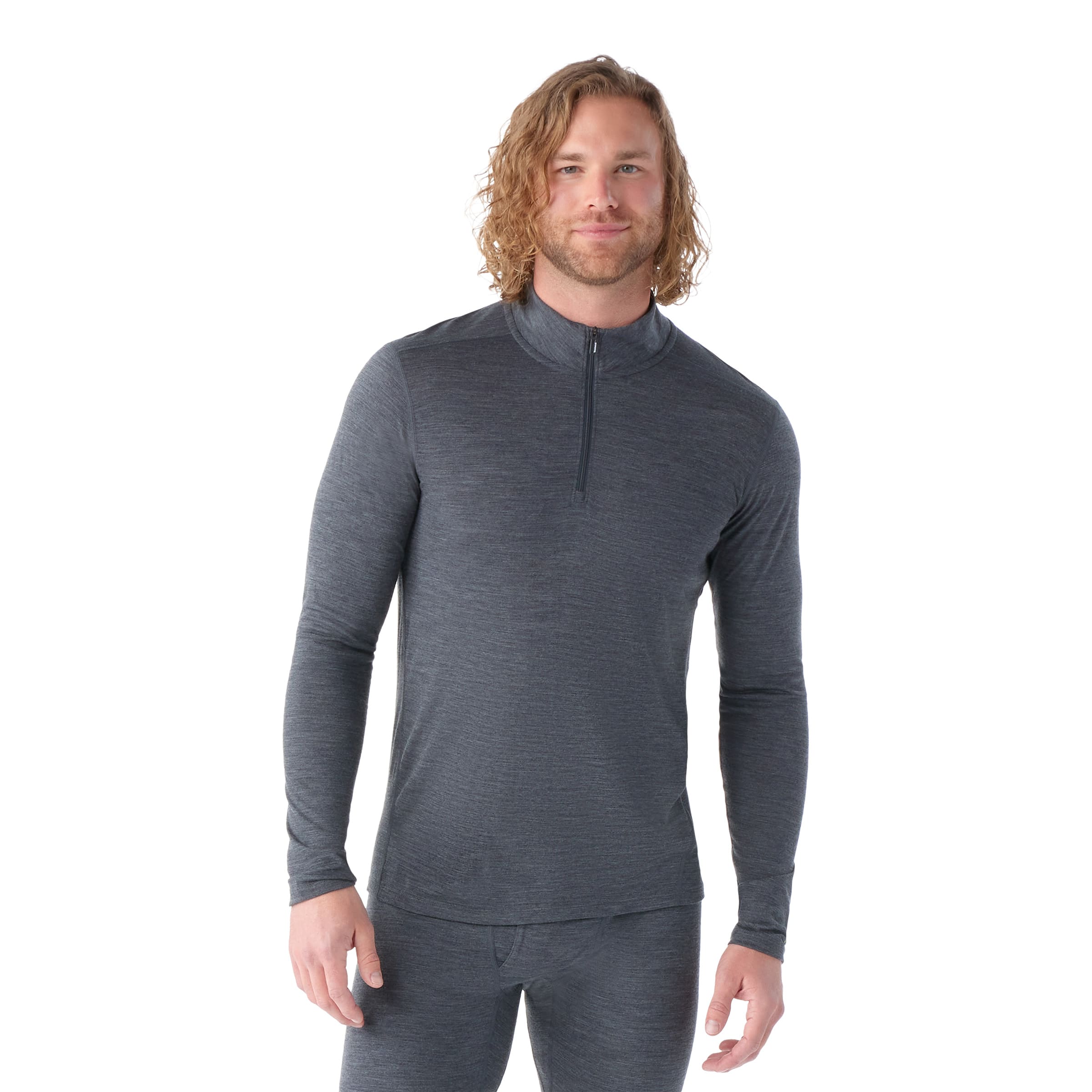
1 color available
1 color available
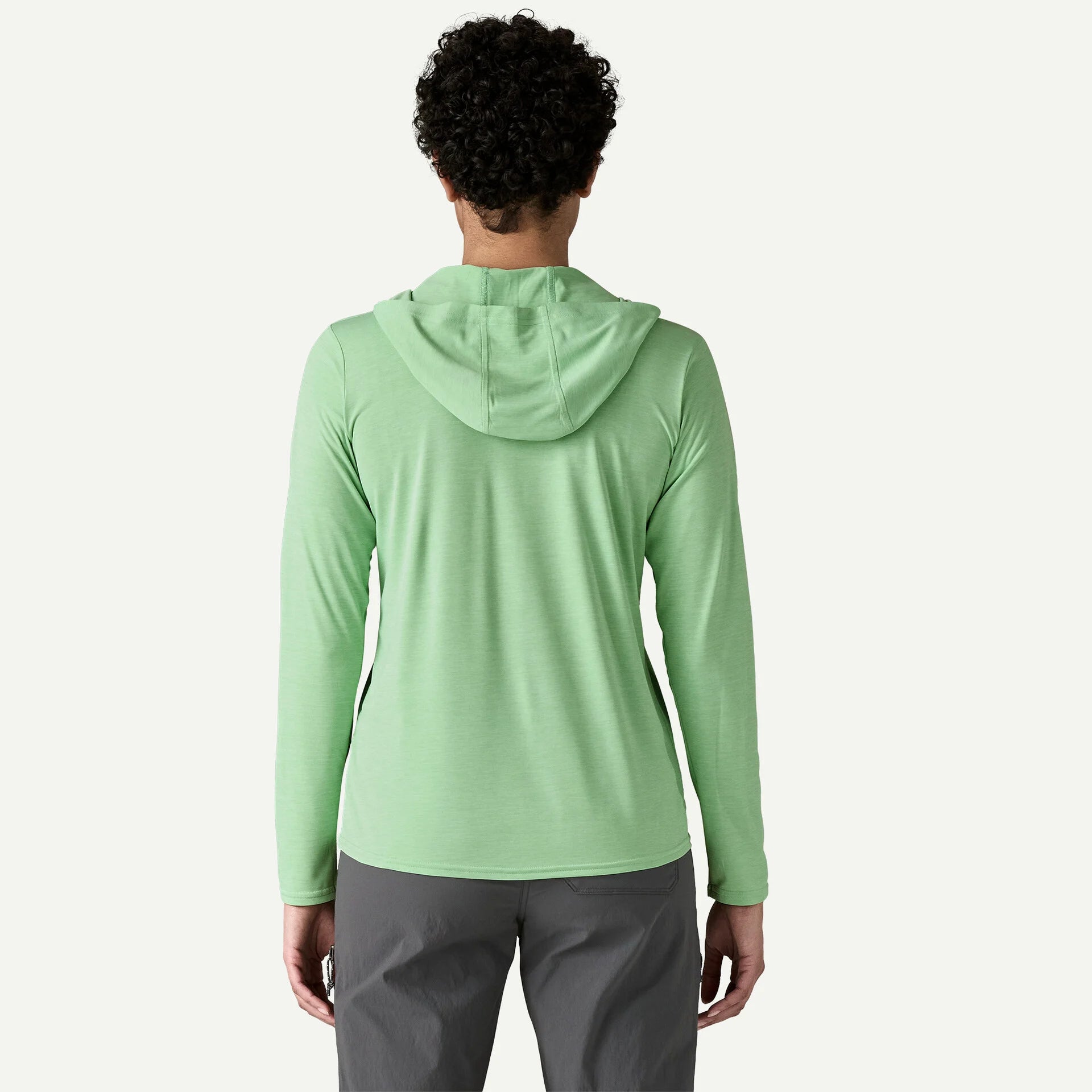
2 colors available
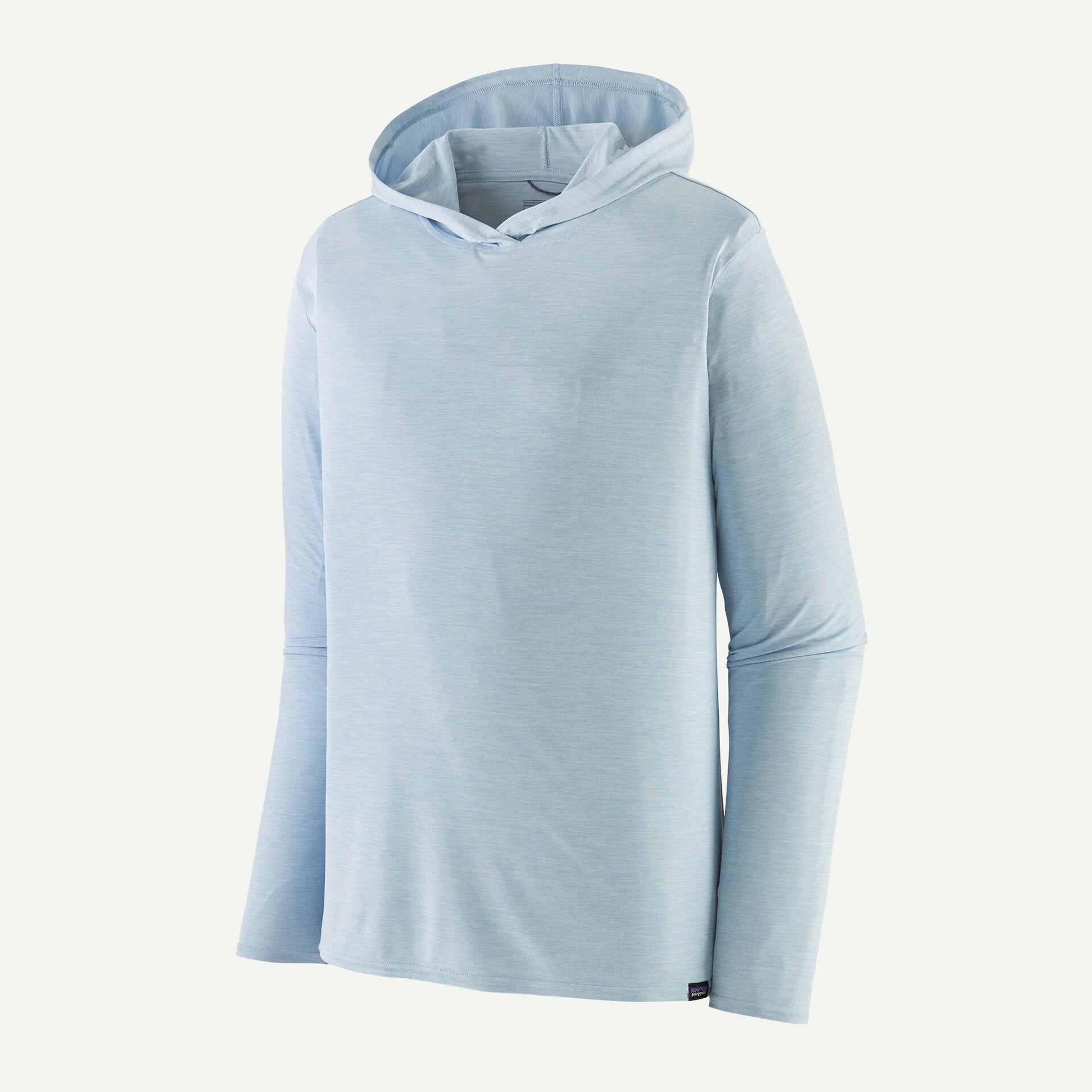
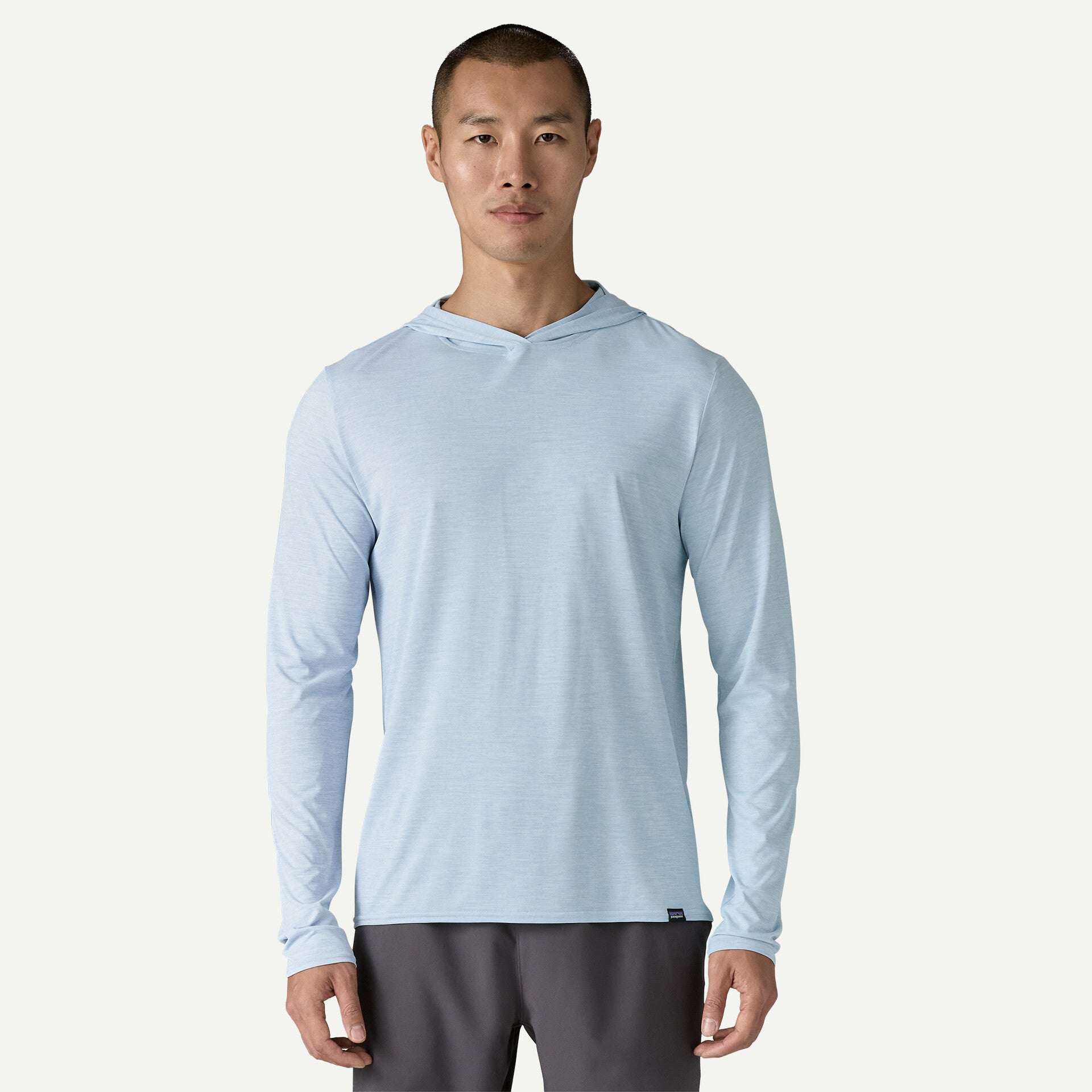
2 colors available
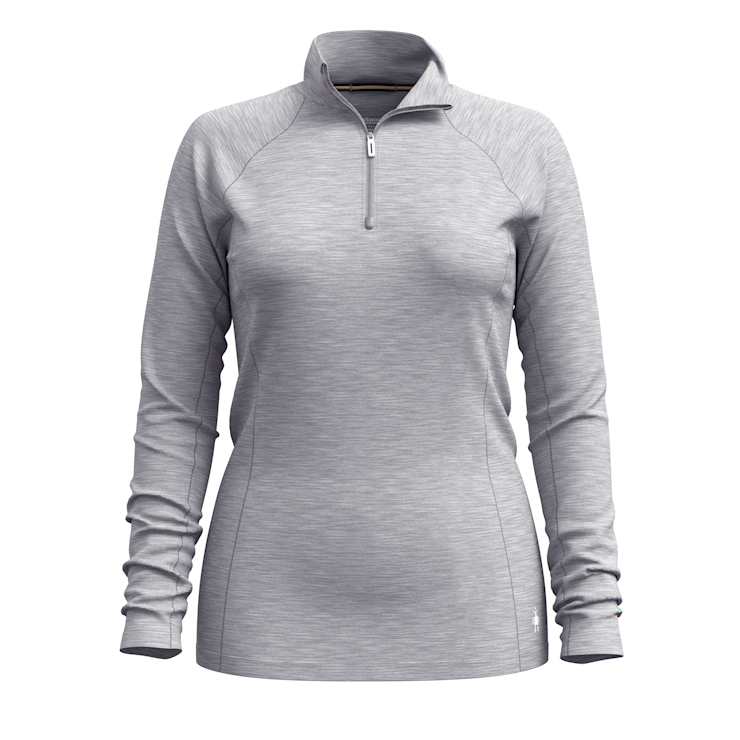
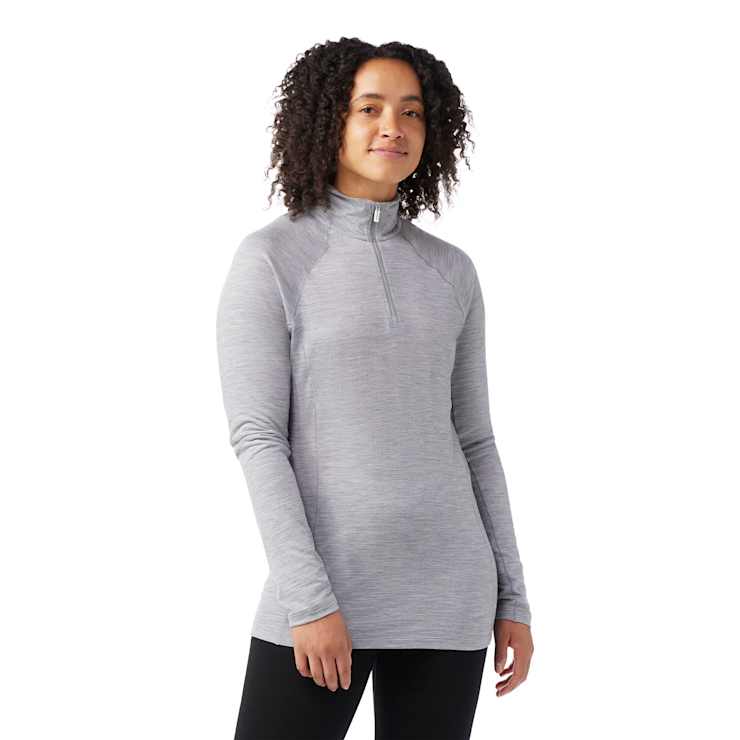
2 colors available