







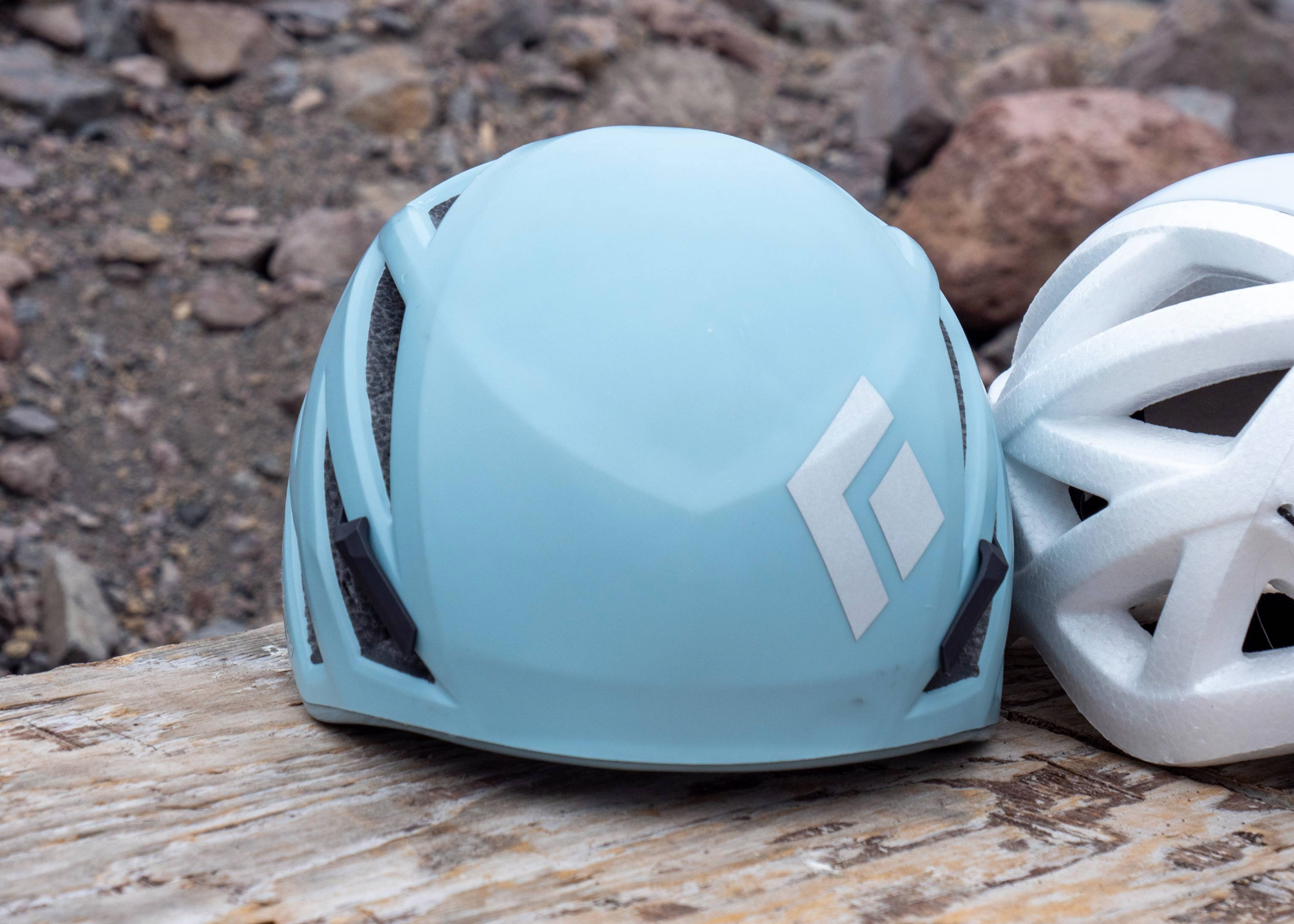
Helmets
Protection You’ll Forget You’re Wearing
Climbing helmets have come a long way from the bulky plastic shells of old. Today’s models are light, breathable, and built to disappear until you need them most. Whether you’re kicking steps on Rainier or pulling rock in the North Cascades, these helmets are guide-tested for comfort, ventilation, and reliable impact protection.
Field Tested · Guide Endorsed
Guide Picks
Skip the browsing — pick from the cream of the crop. Like our tagline says, we simplify outfitting.
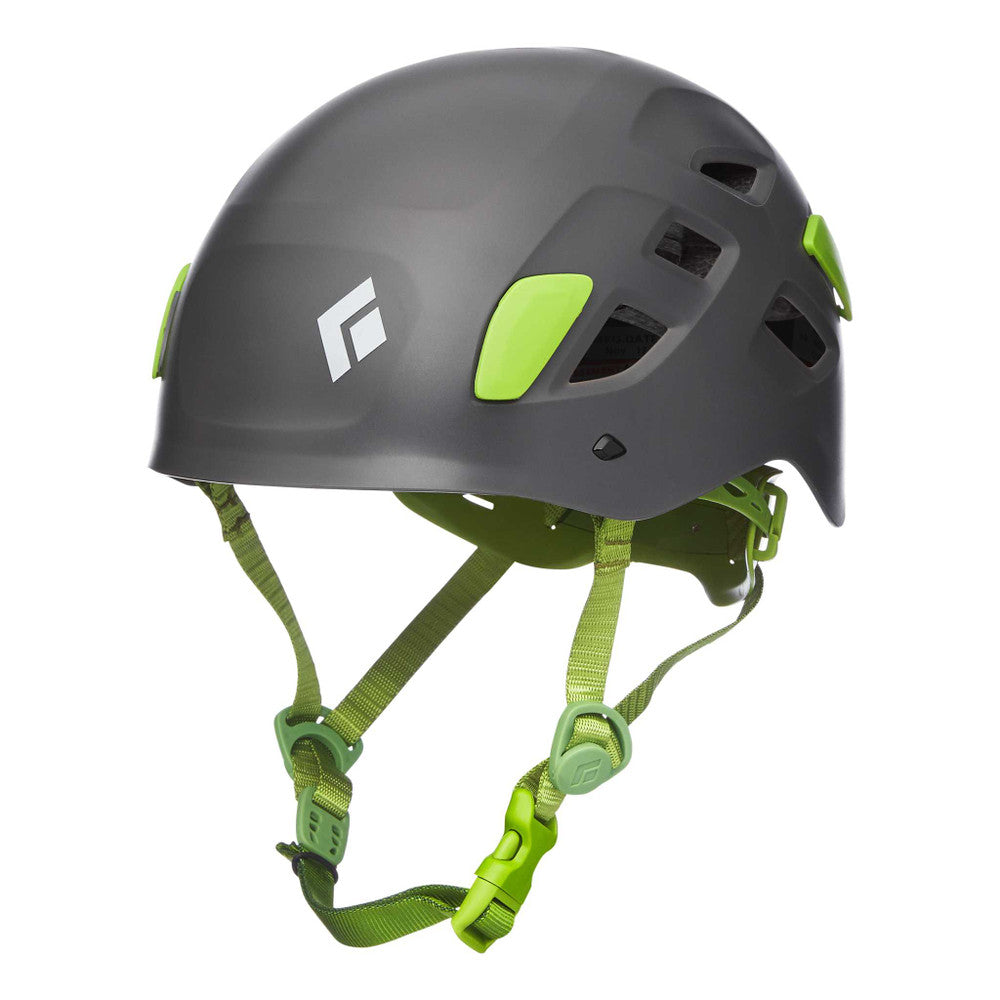
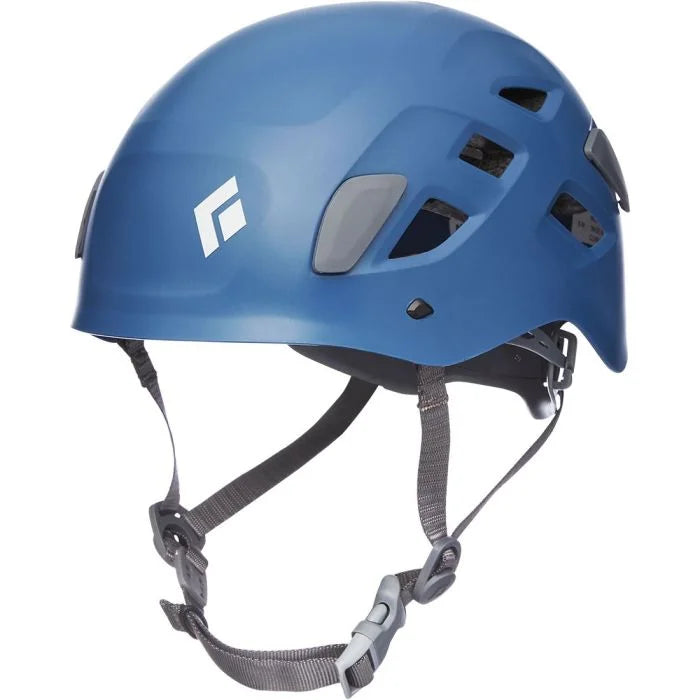

Half Dome Helmet
Sale price$69.95 USD
3 colors available
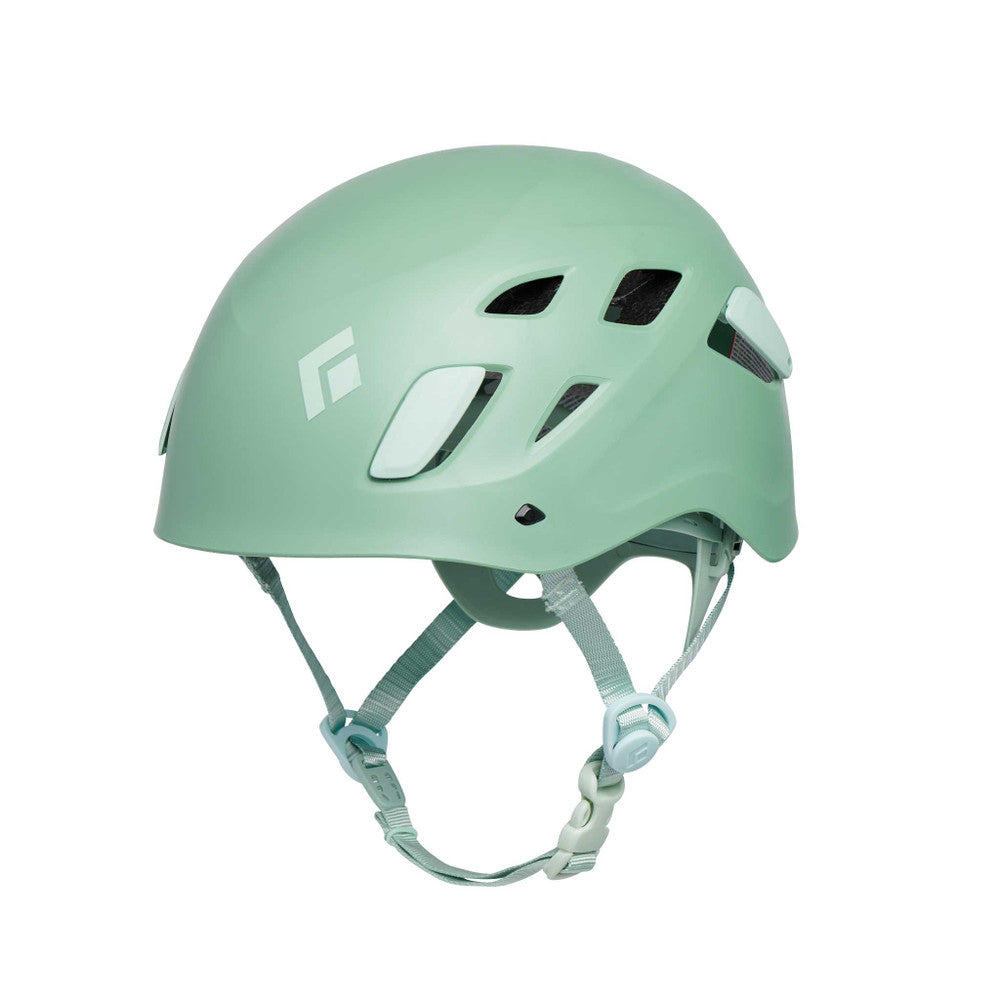
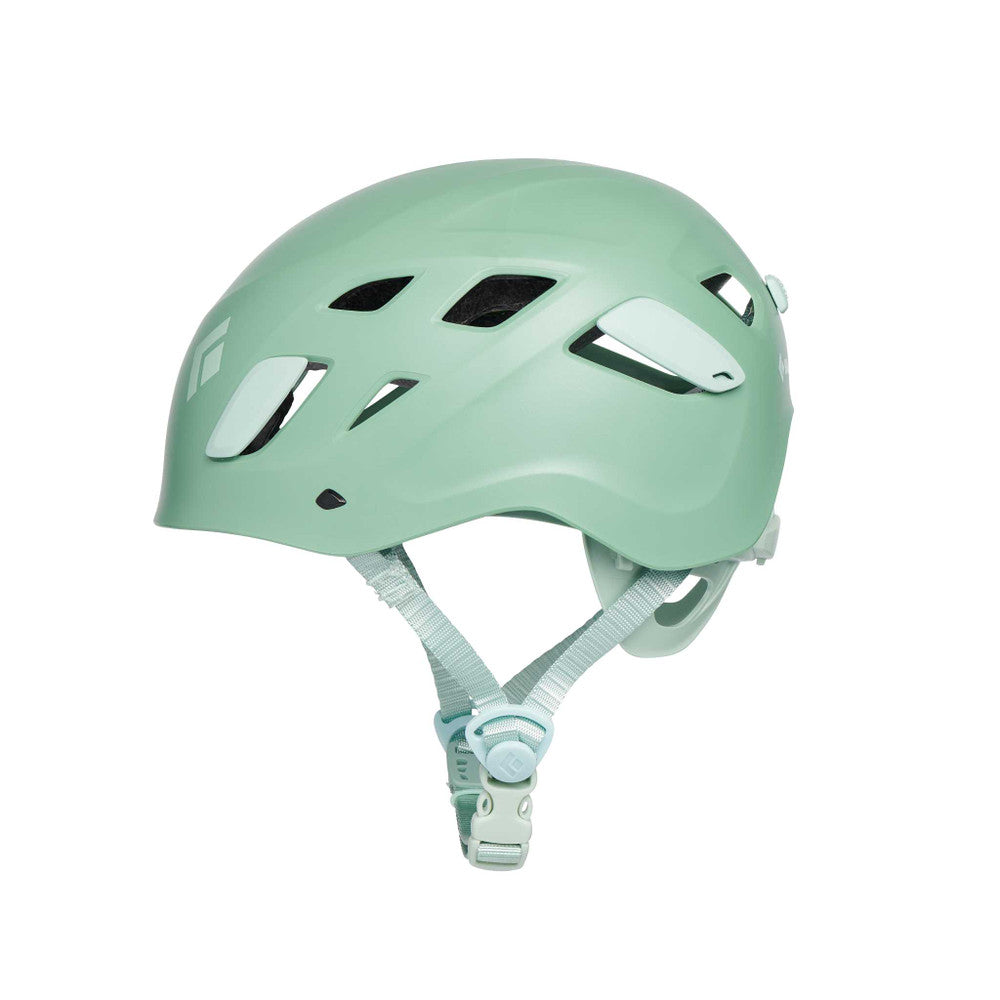
Women's Half Dome Helmet
Sale price$69.95 USD
2 colors available
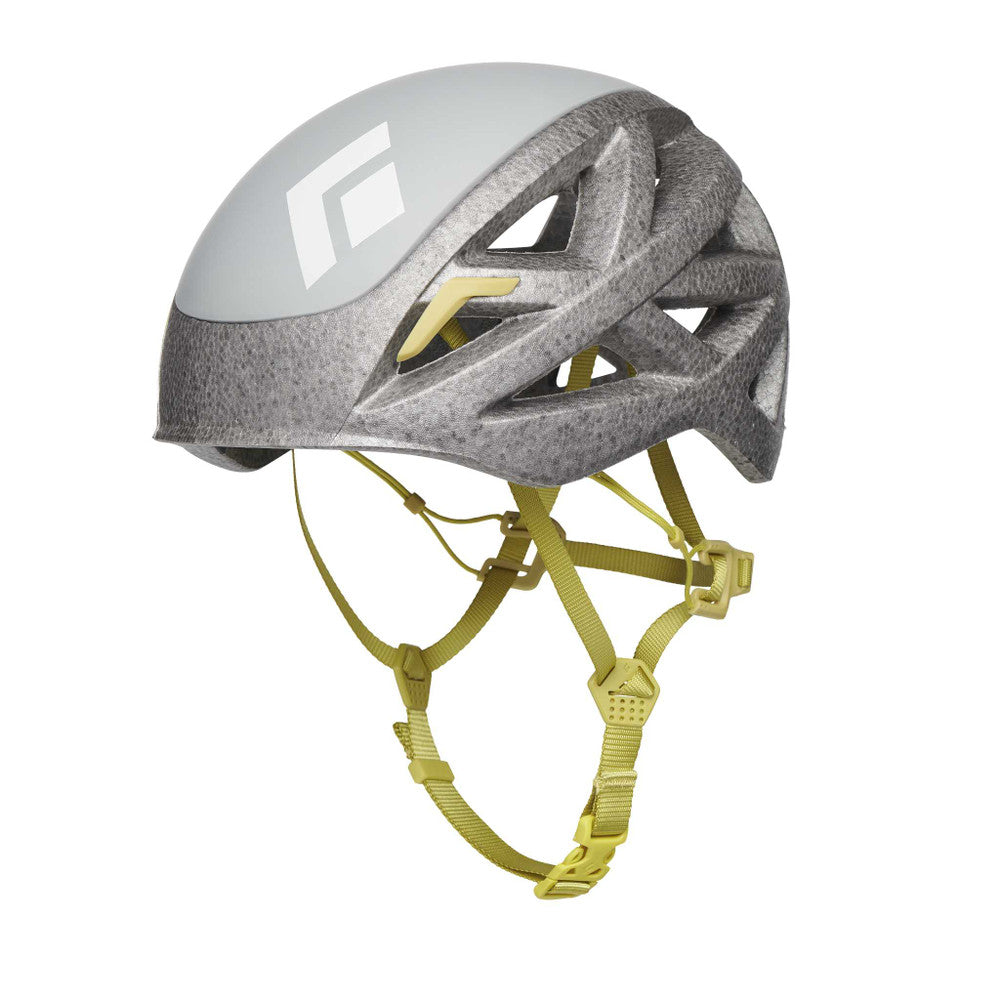
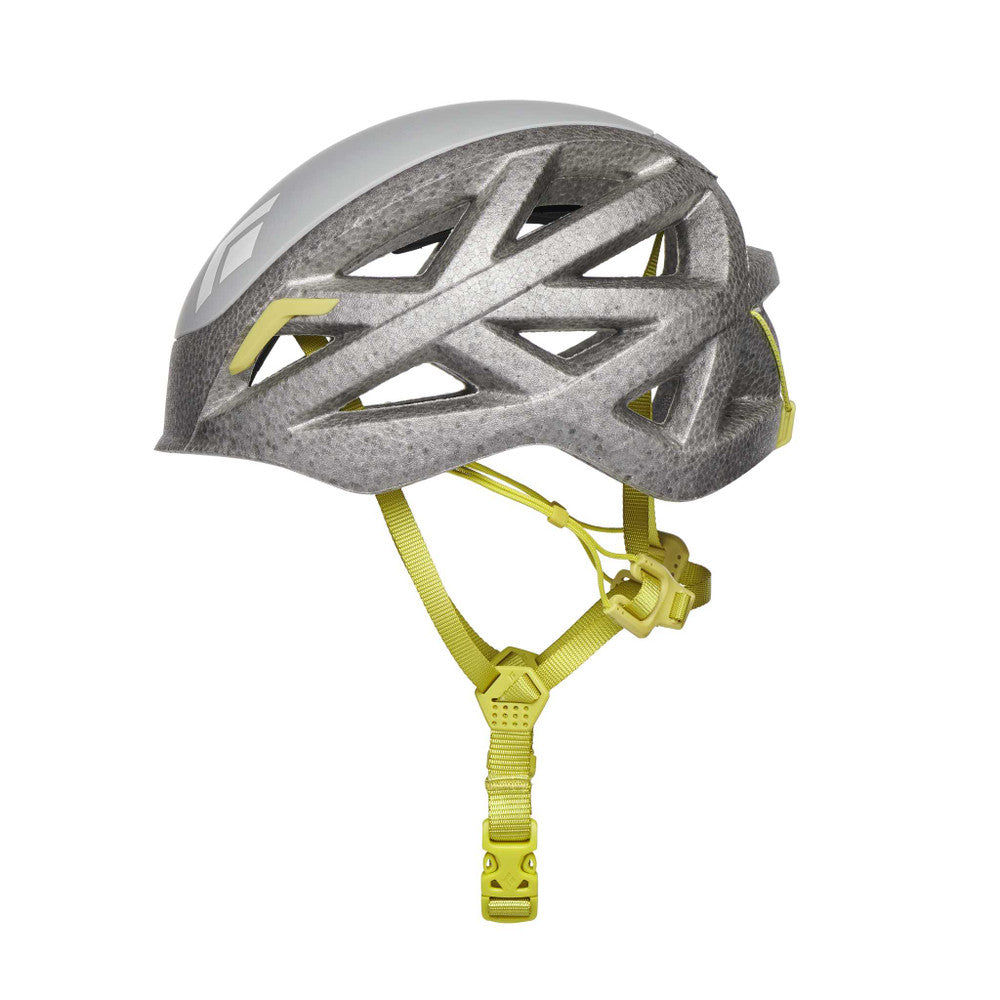
Vapor Helmet
Sale price$169.95 USD
4 colors available
Filters
5 products
Half Dome Helmet
Sale price$69.95 USD
3 colors available
Women's Half Dome Helmet
Sale price$69.95 USD
2 colors available
Vapor Helmet
Sale price$169.95 USD
4 colors available
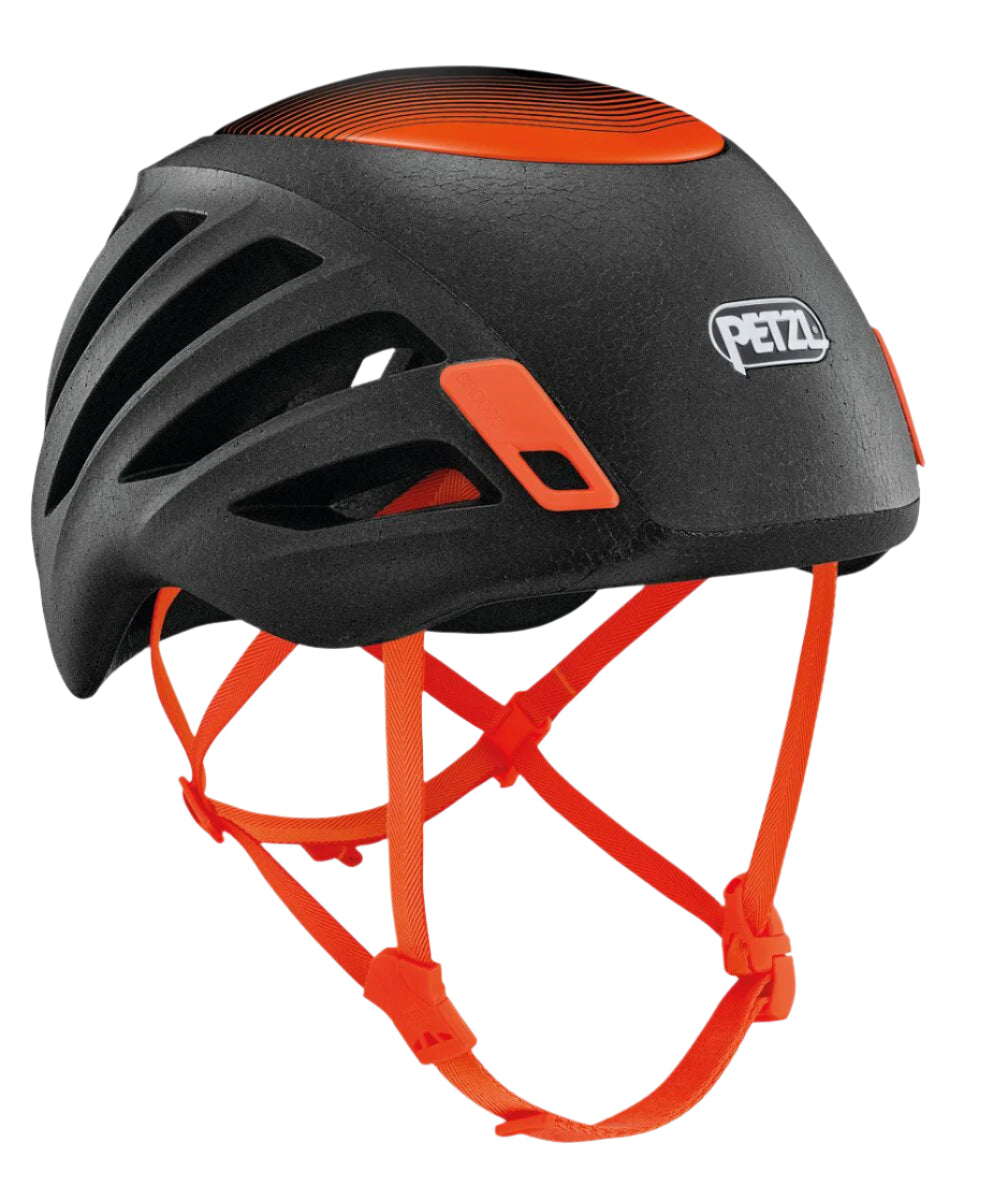
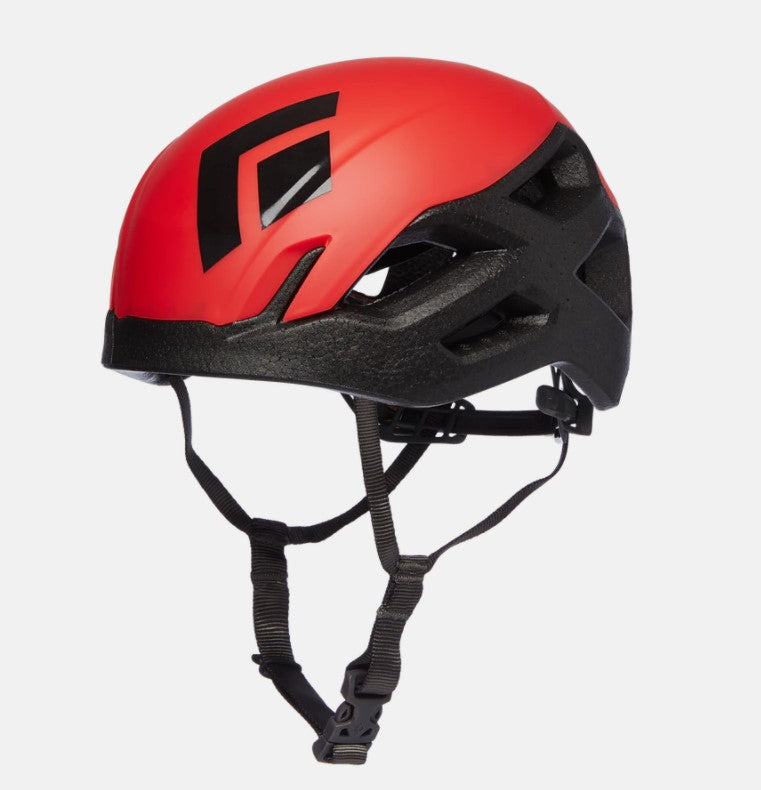
Vision Helmet
Sale price$119.95 USD
1 color available
