





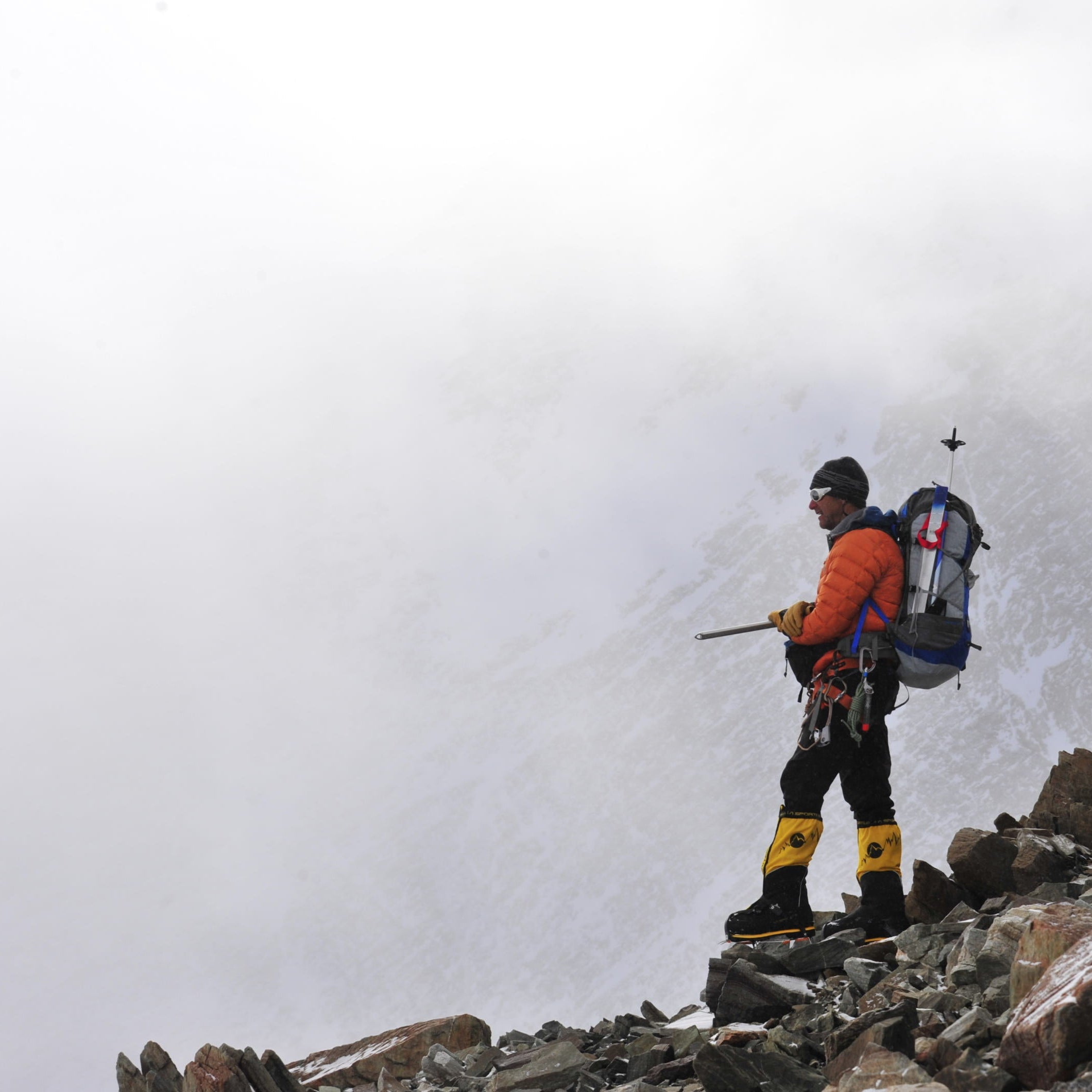


Ice Axes
The Most Important Tool You’ll Carry
An ice axe is more than just gear — it’s security, balance, and self-arrest all in one. From general mountaineering axes for glacier travel to technical tools for steep alpine routes, these guide-tested picks are the real deal. Built for reliability when the slope steepens and the runout gets real.
Field Tested · Guide Endorsed
Guide Picks
Skip the browsing — pick from the cream of the crop. Like our tagline says, we simplify outfitting.
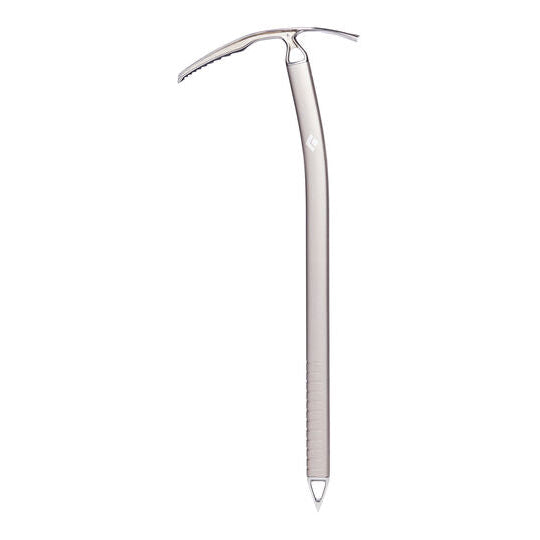
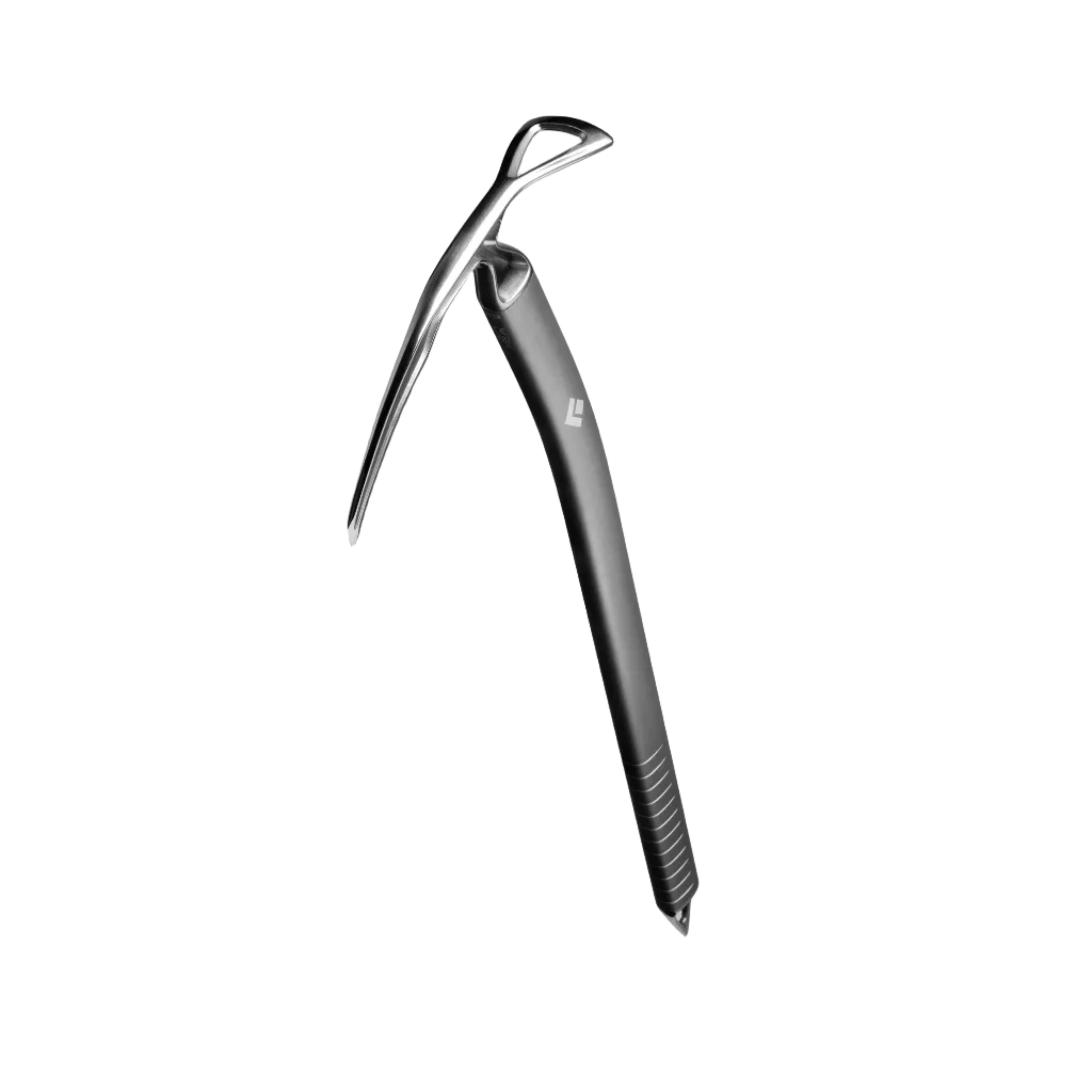

Raven Pro Ice Axe
Sale price$169.95 USD
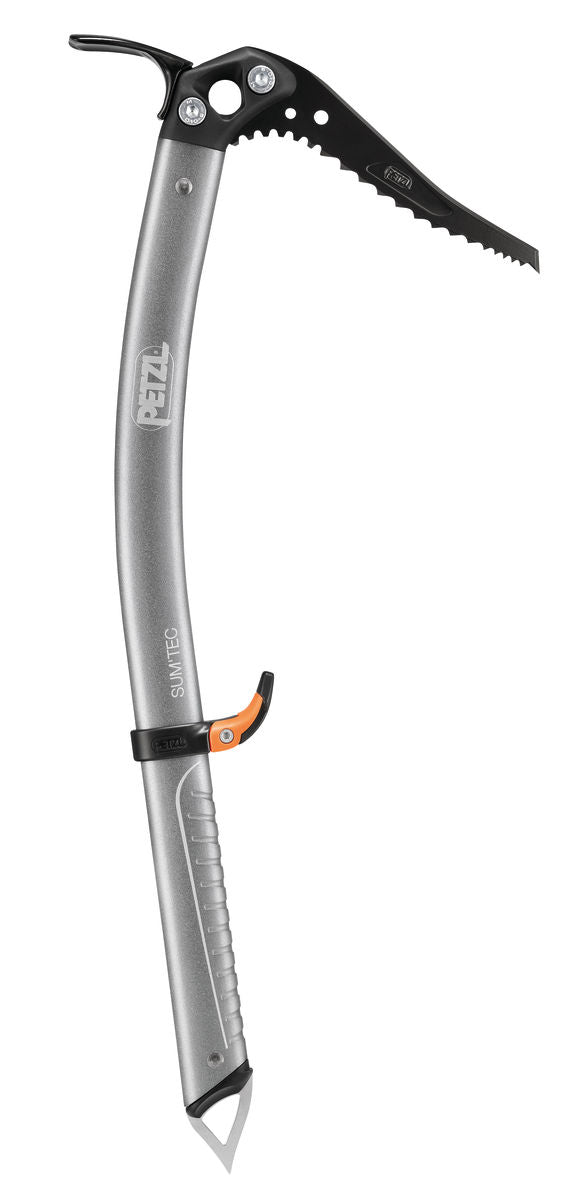
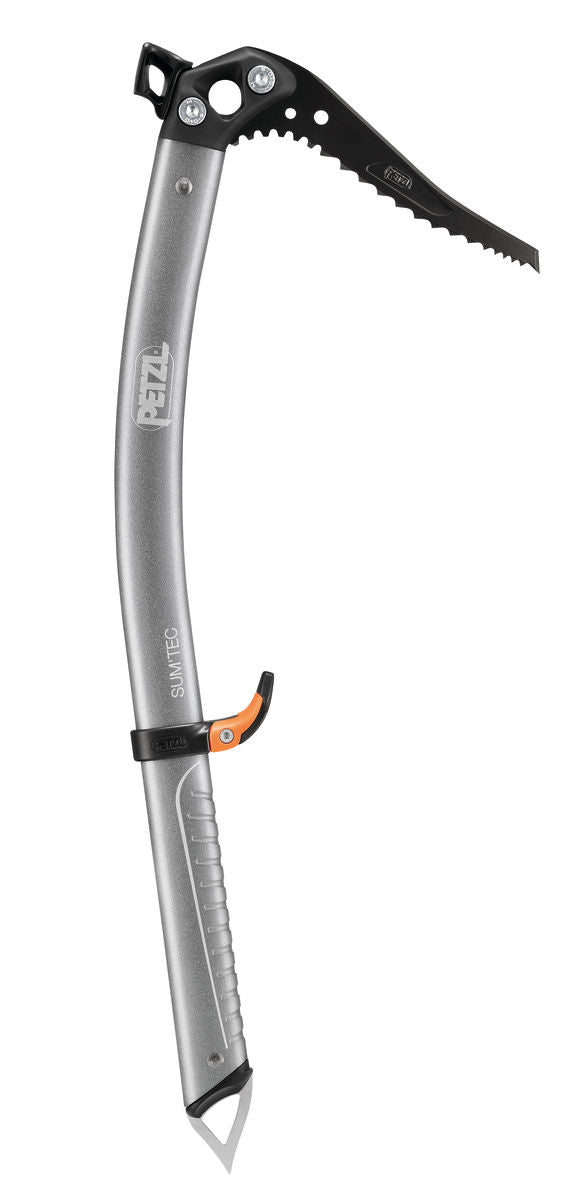
Sum'Tec
Sale price$259.95 USD
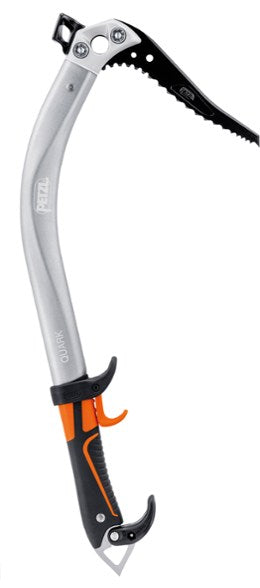
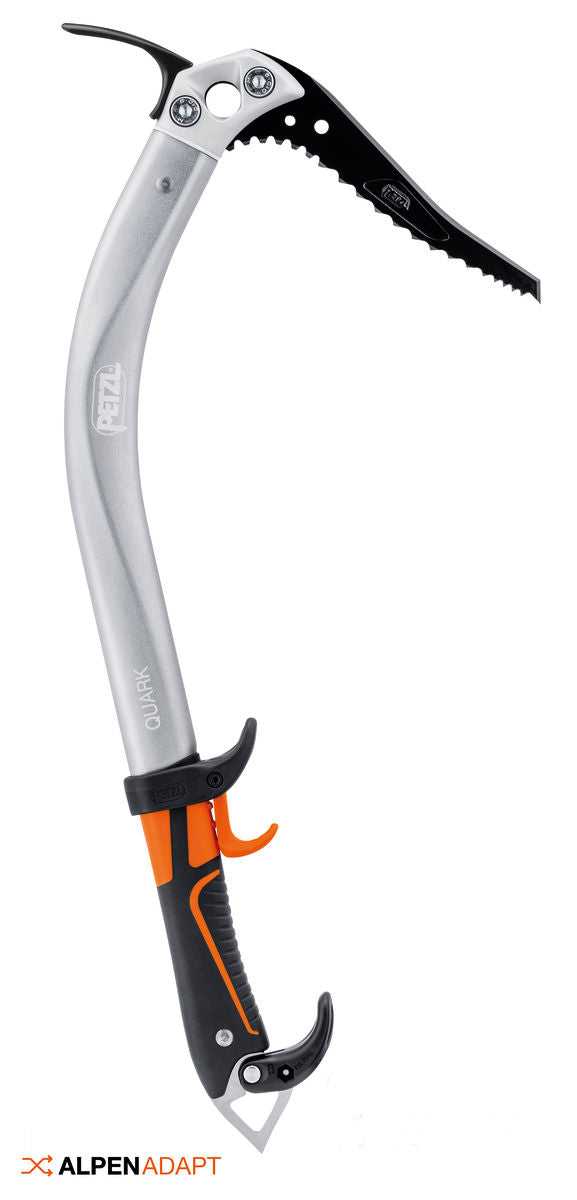
Quark
Sale price$299.95 USD
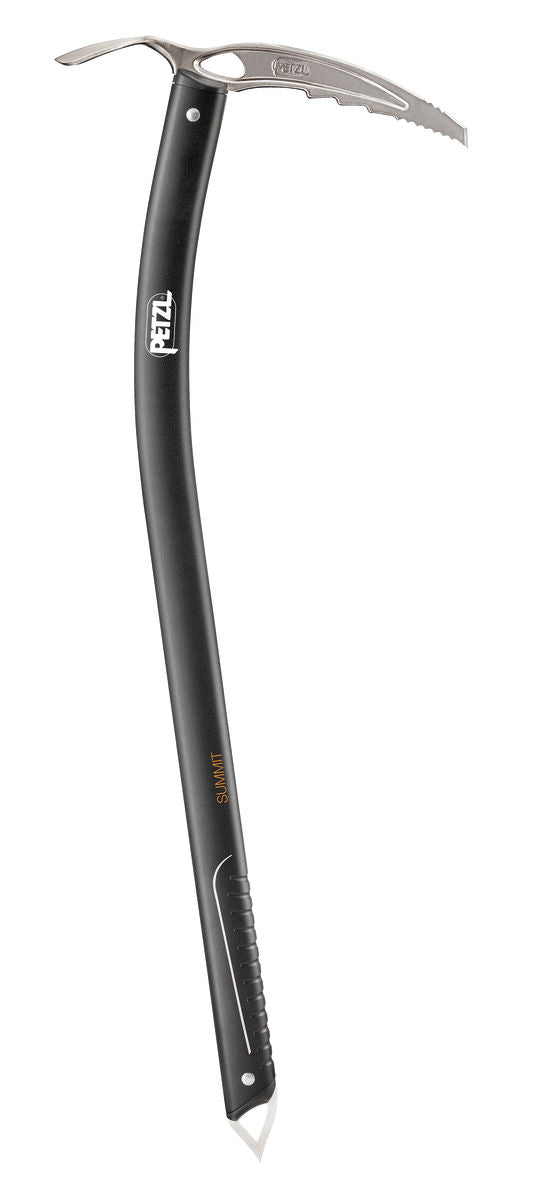
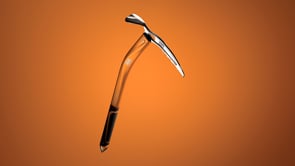
Summit Ice Axe
Sale price$149.95 USD
Filters
18 products
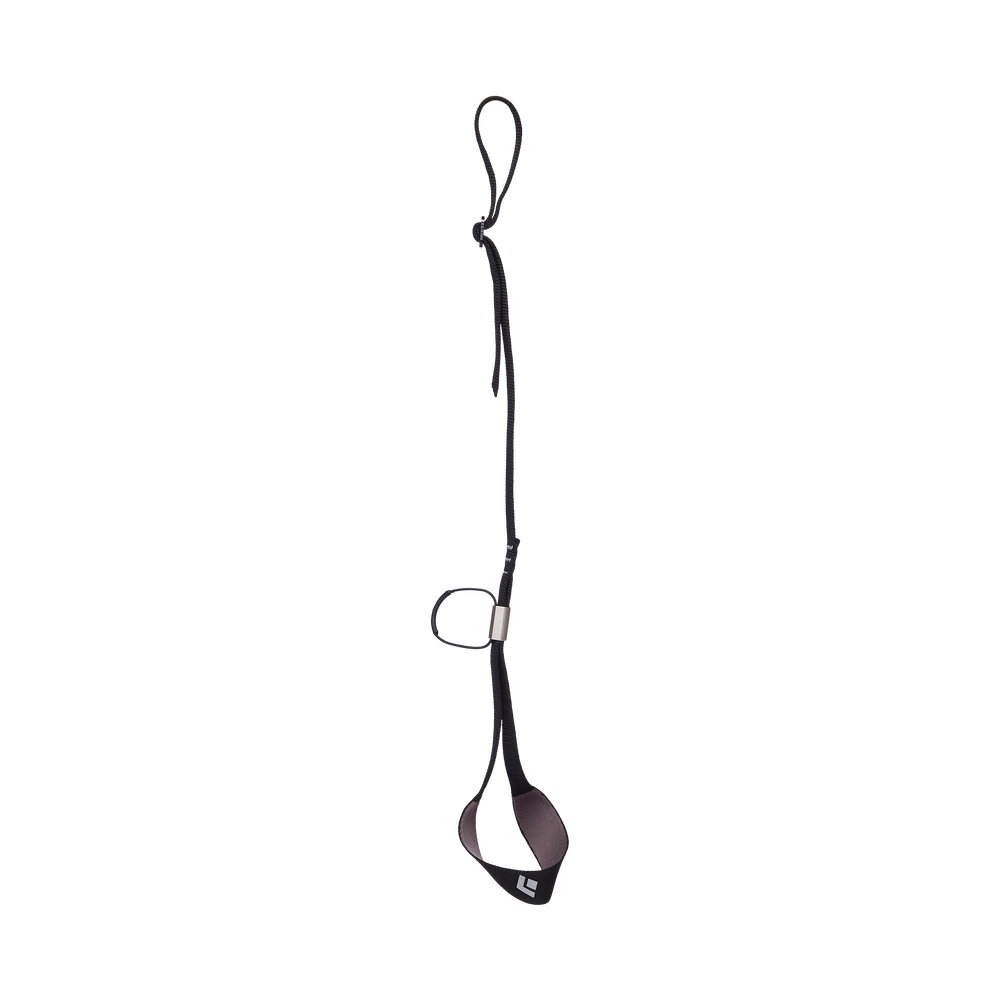
Slider Leash
Sale price$24.95 USD
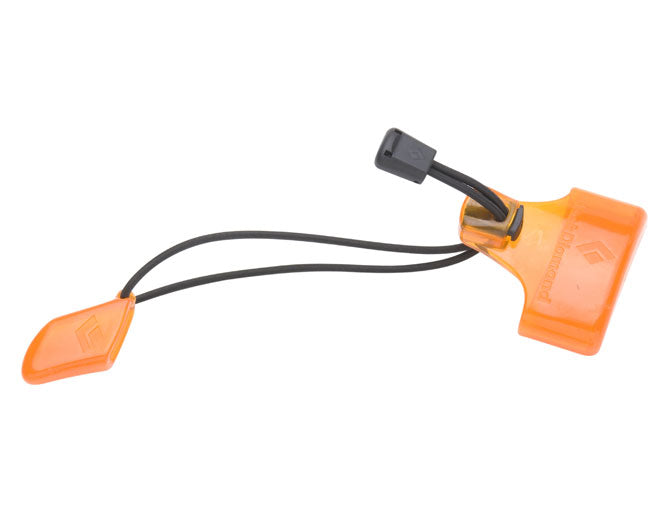
Axe Protector
Sale price$14.95 USD
1 color available
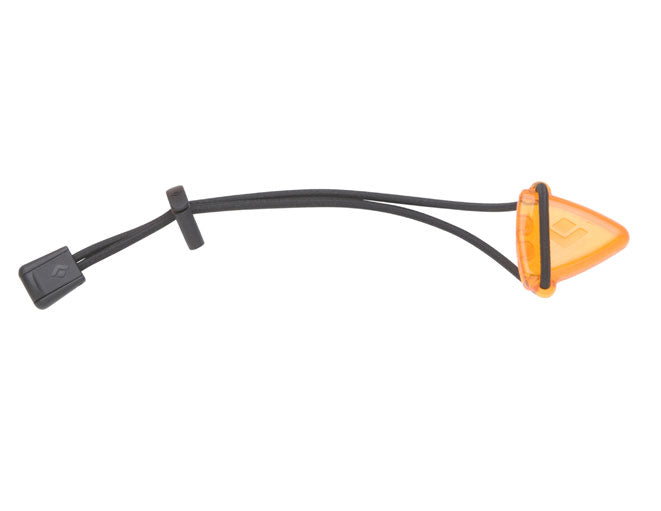
Spike Protector
Sale price$9.95 USD
1 color available
Raven Pro Ice Axe
Sale price$169.95 USD
5.0
Sum'Tec
Sale price$259.95 USD
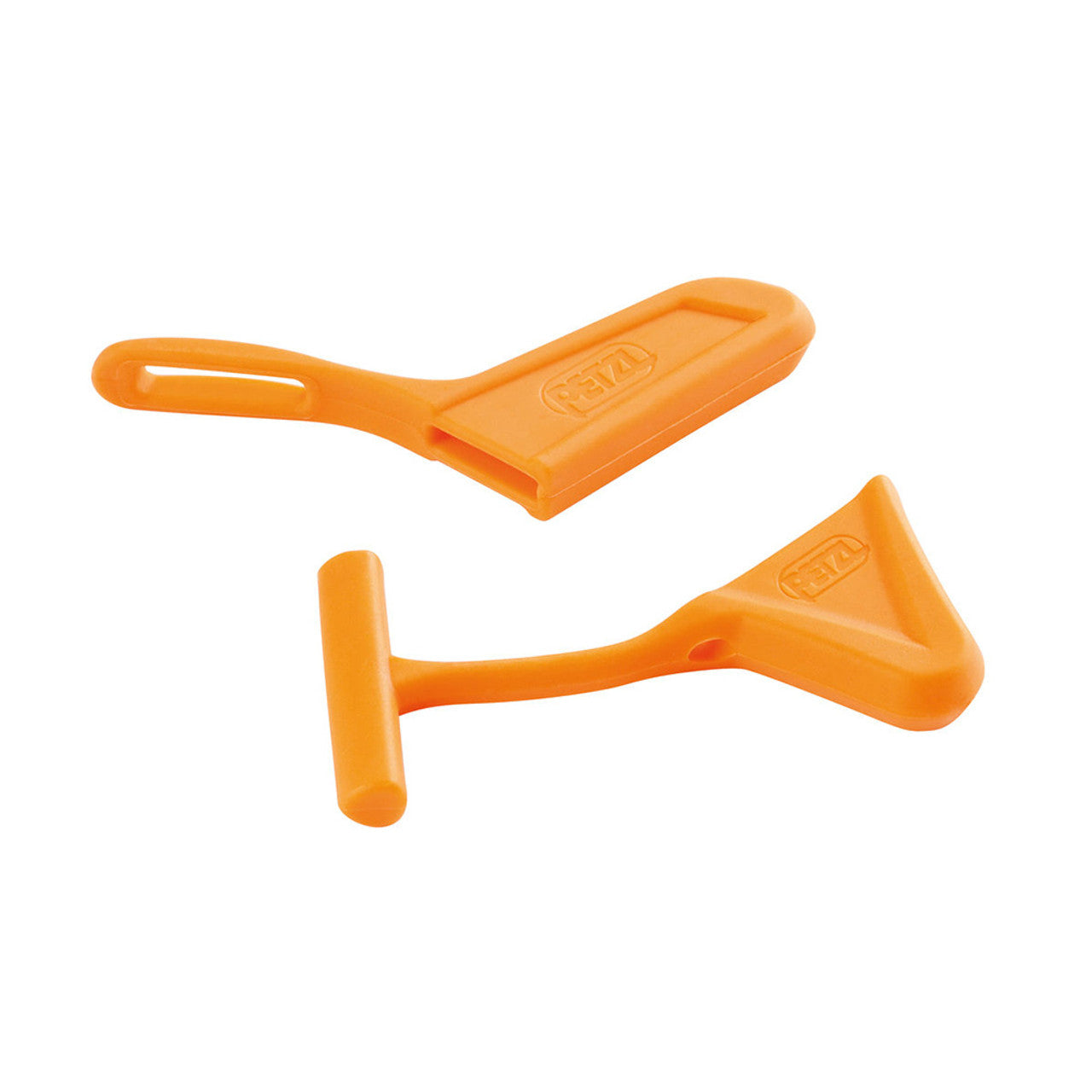
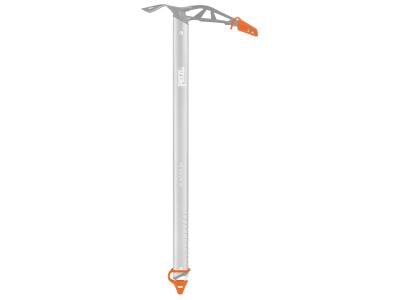
Pick and Spike Protection
Sale price$12.95 USD
5.0
Summit Ice Axe
Sale price$149.95 USD
5.0
Quark
Sale price$299.95 USD
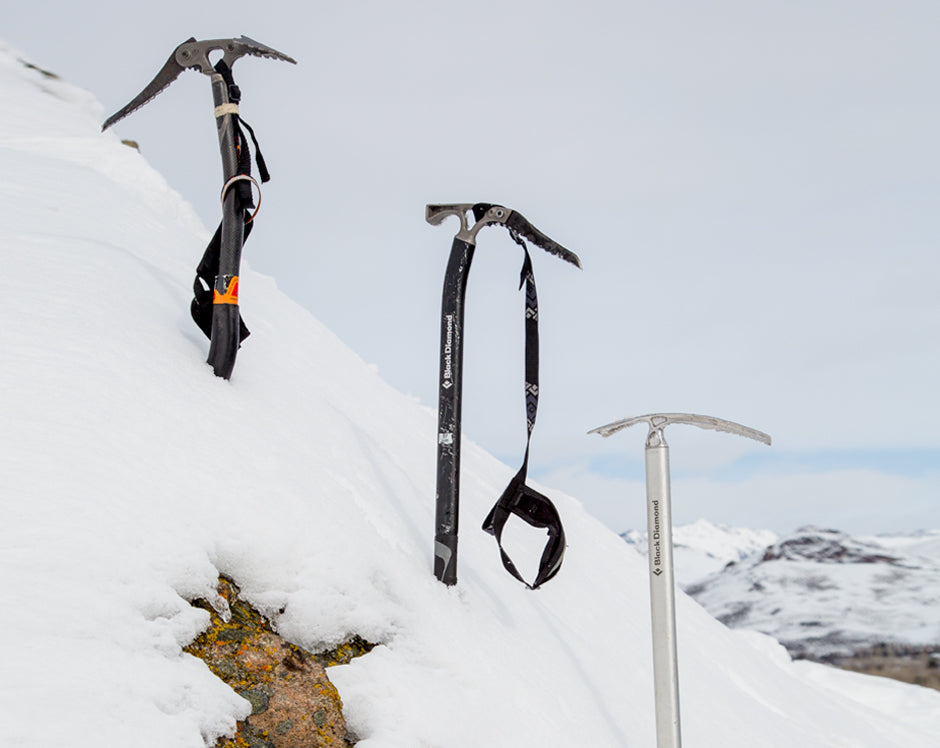
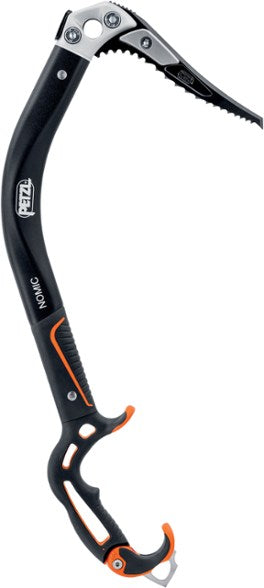
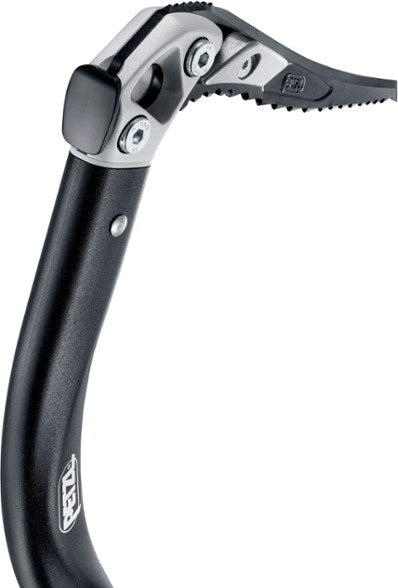
Nomic Ice Tool
Sale price$349.95 USD
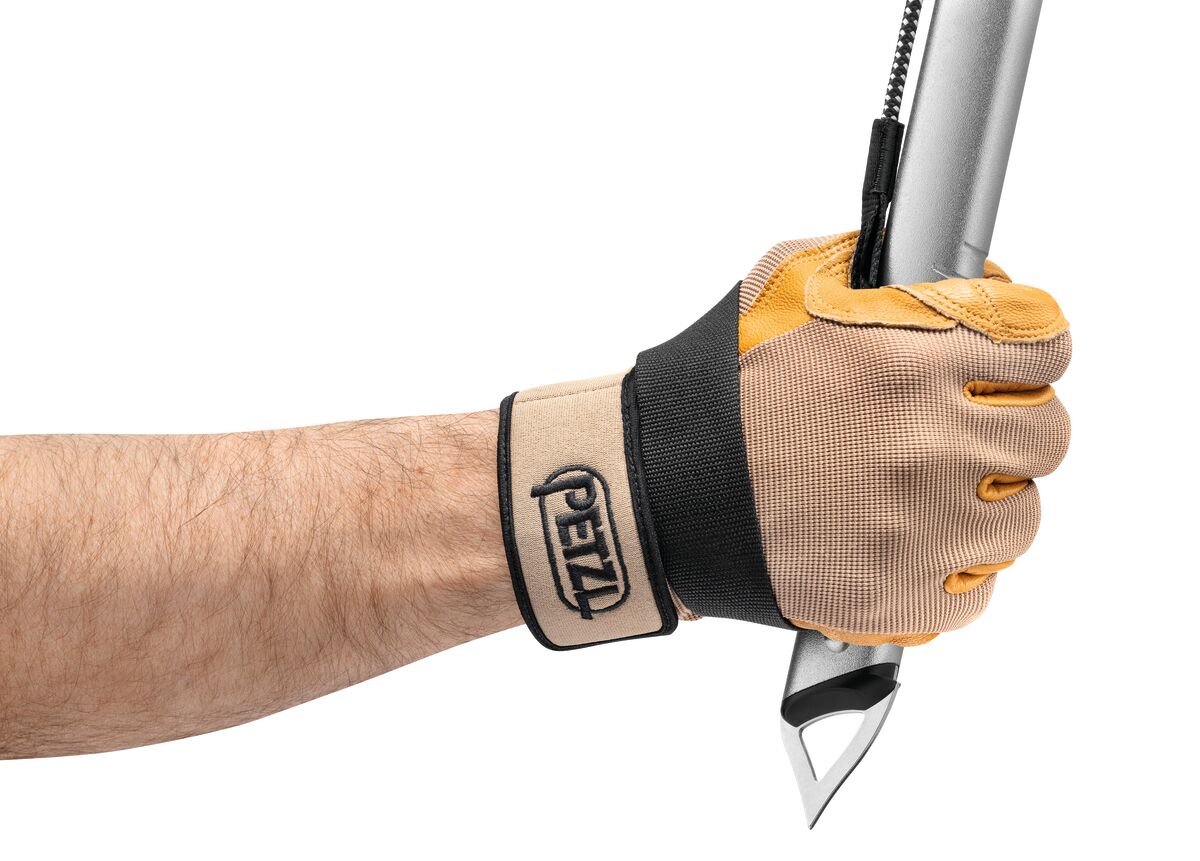
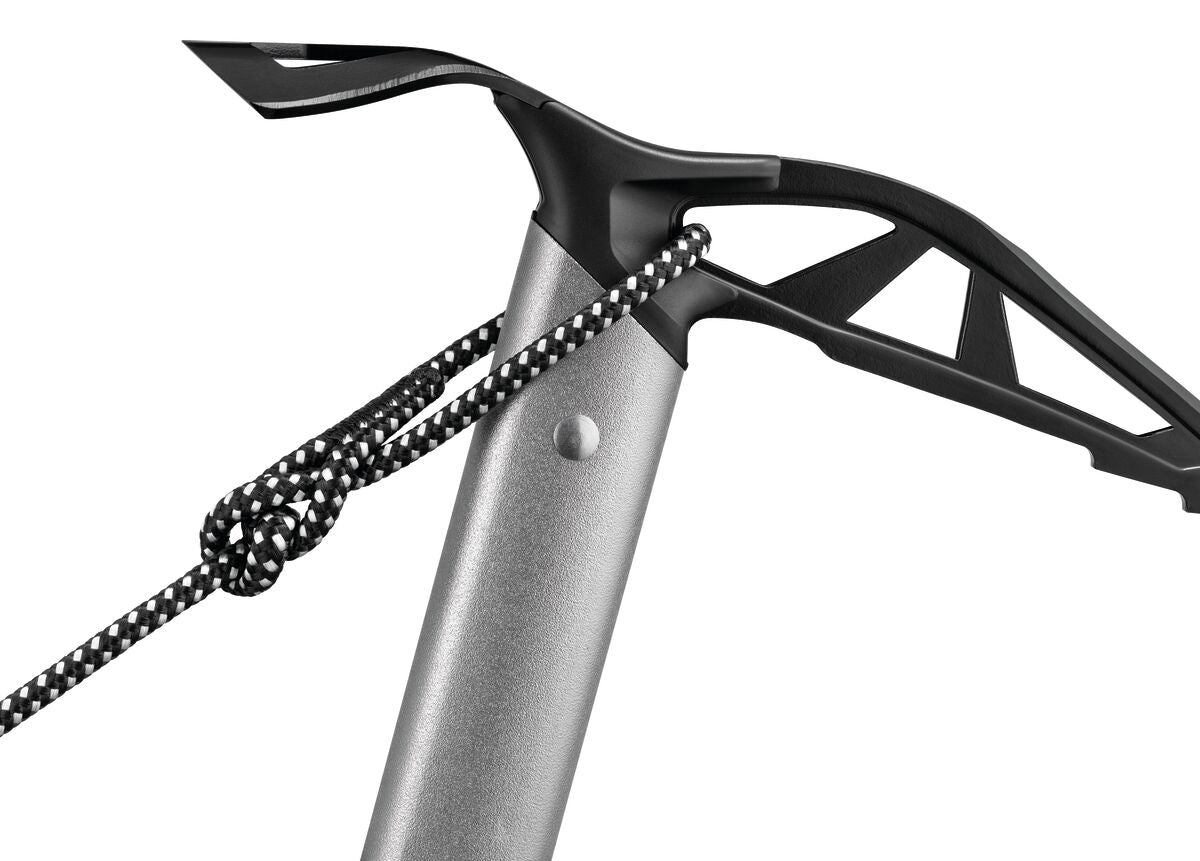
LINKIN
Sale price$27.95 USD
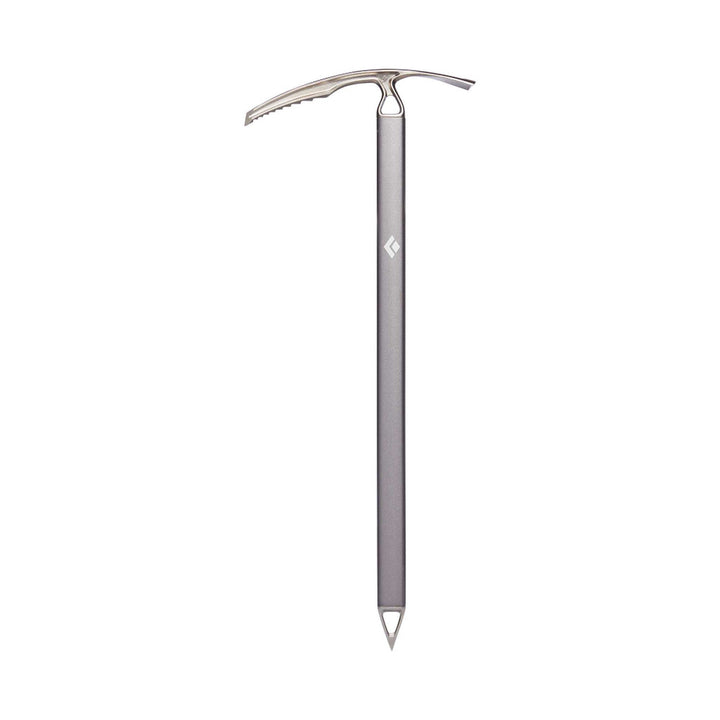
Raven Ice Axe - Used
Sale priceFrom $23.99 USD
Regular price$119.95 USD
5.0
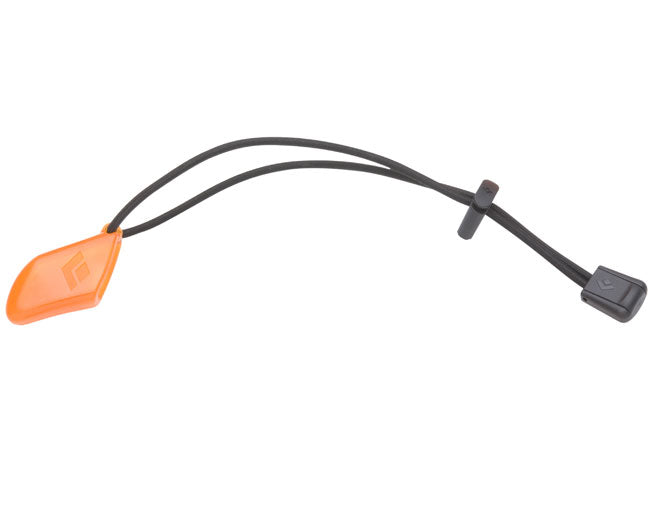
Pick Protector
Sale price$9.95 USD
1 color available
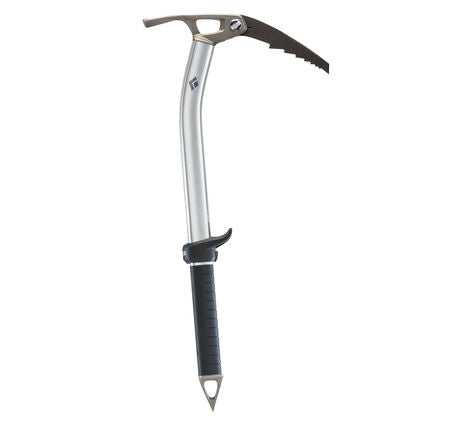
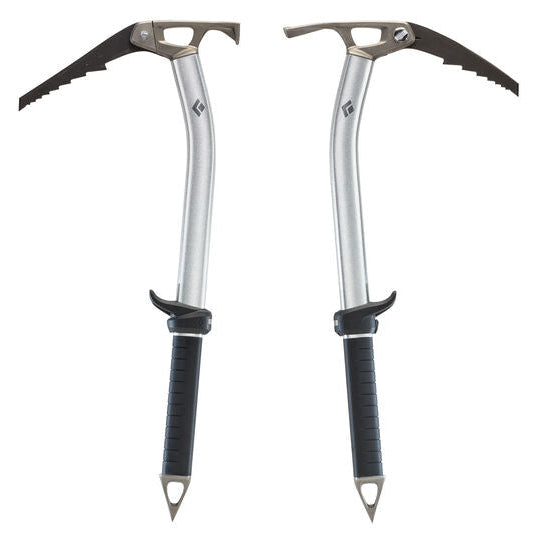
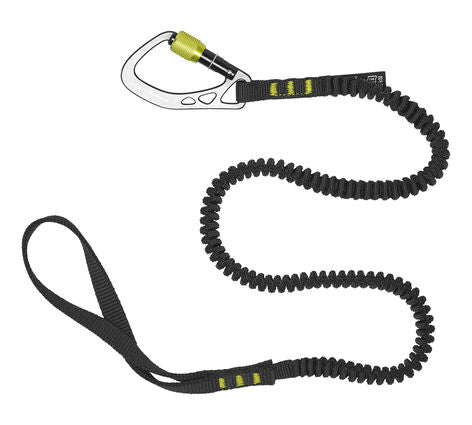
Slinger Leash
Sale price$39.95 USD
1 color available

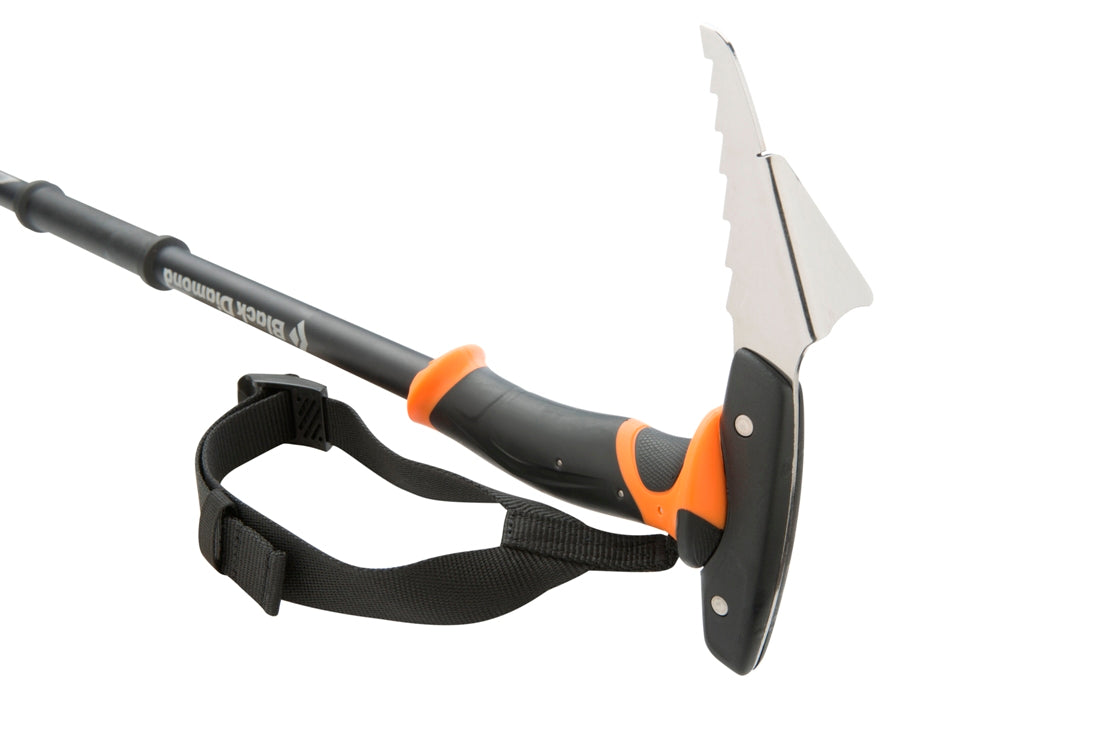
Carbon Whippet Ski Pole
Sale price$189.95 USD
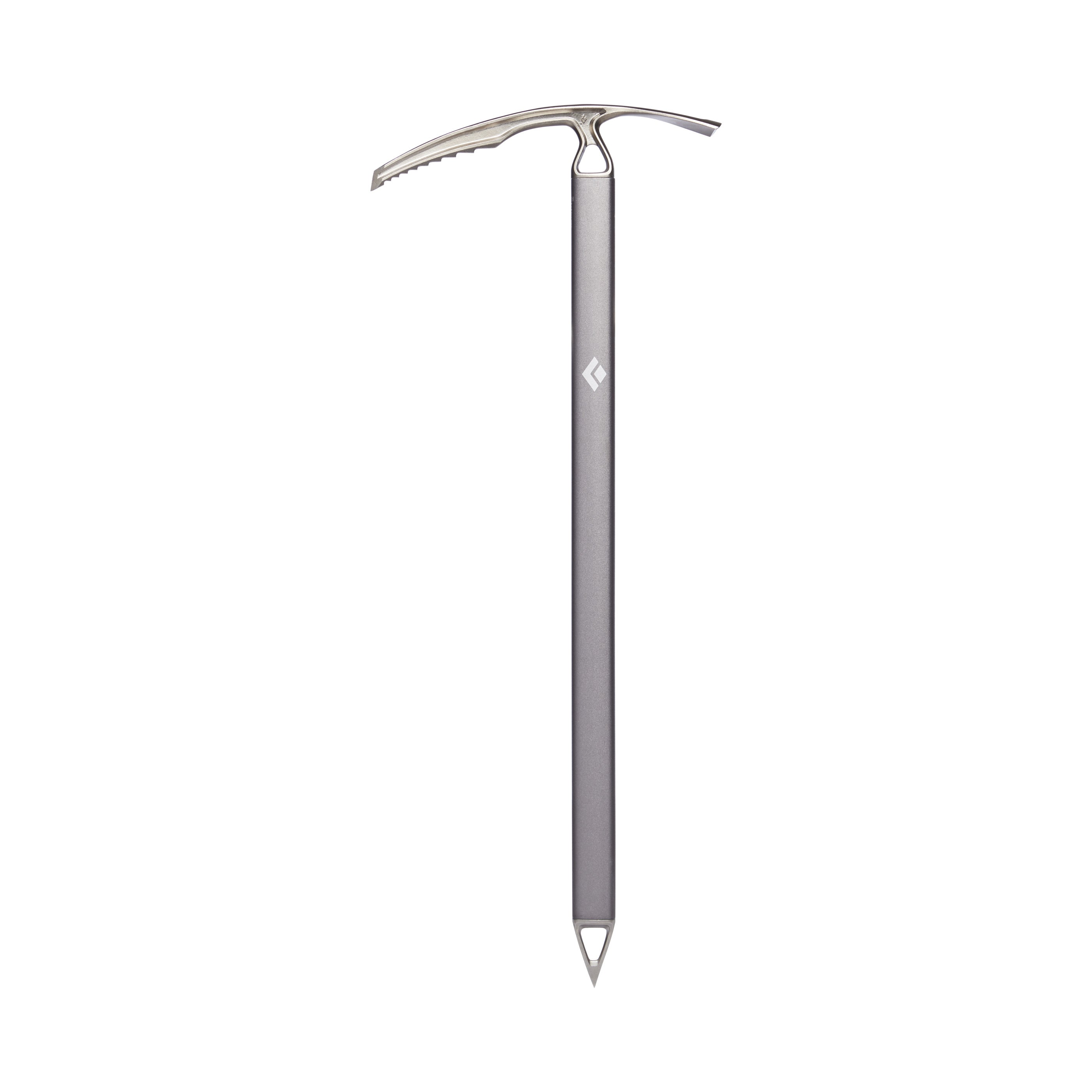
Raven Ice Axe
Sale price$139.95 USD
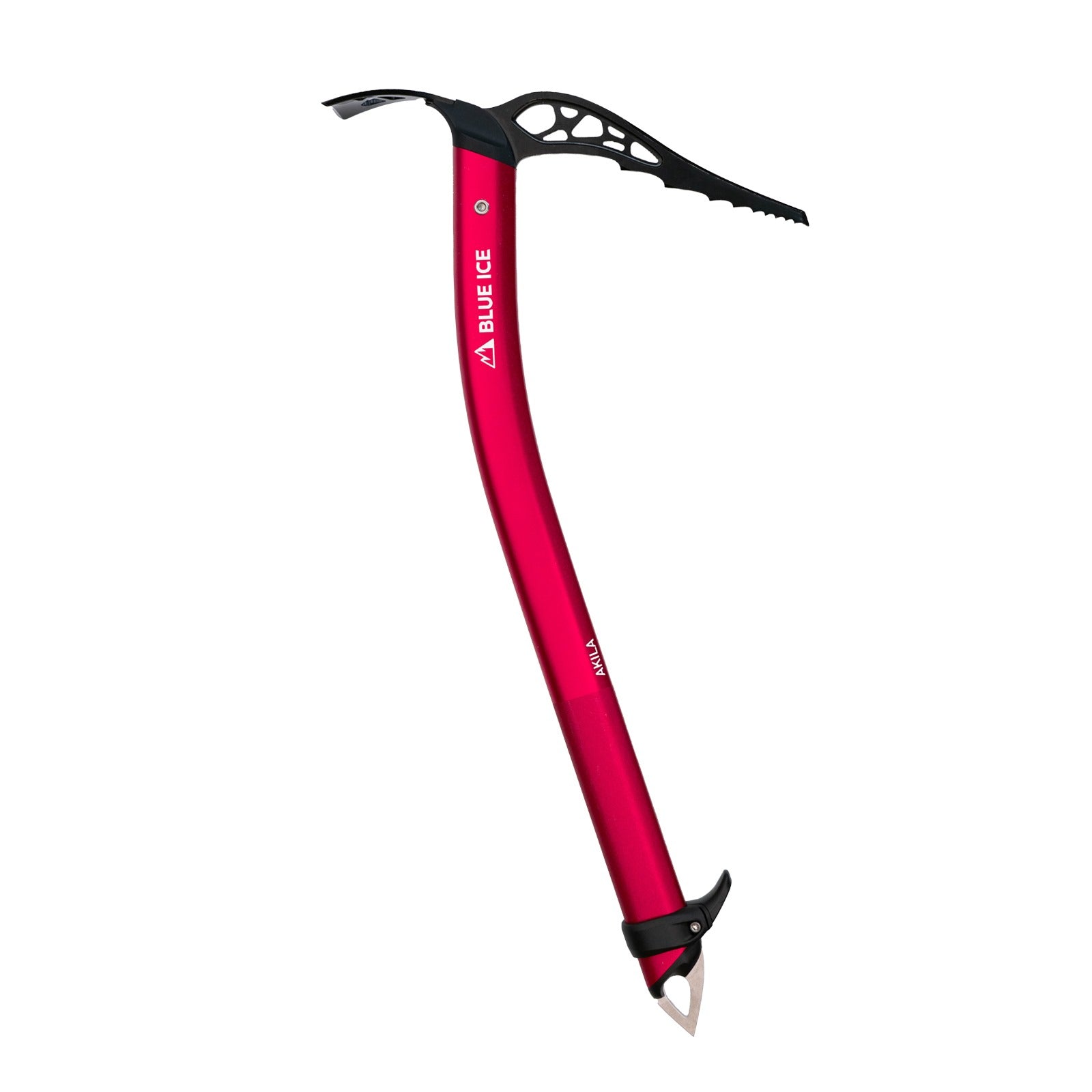
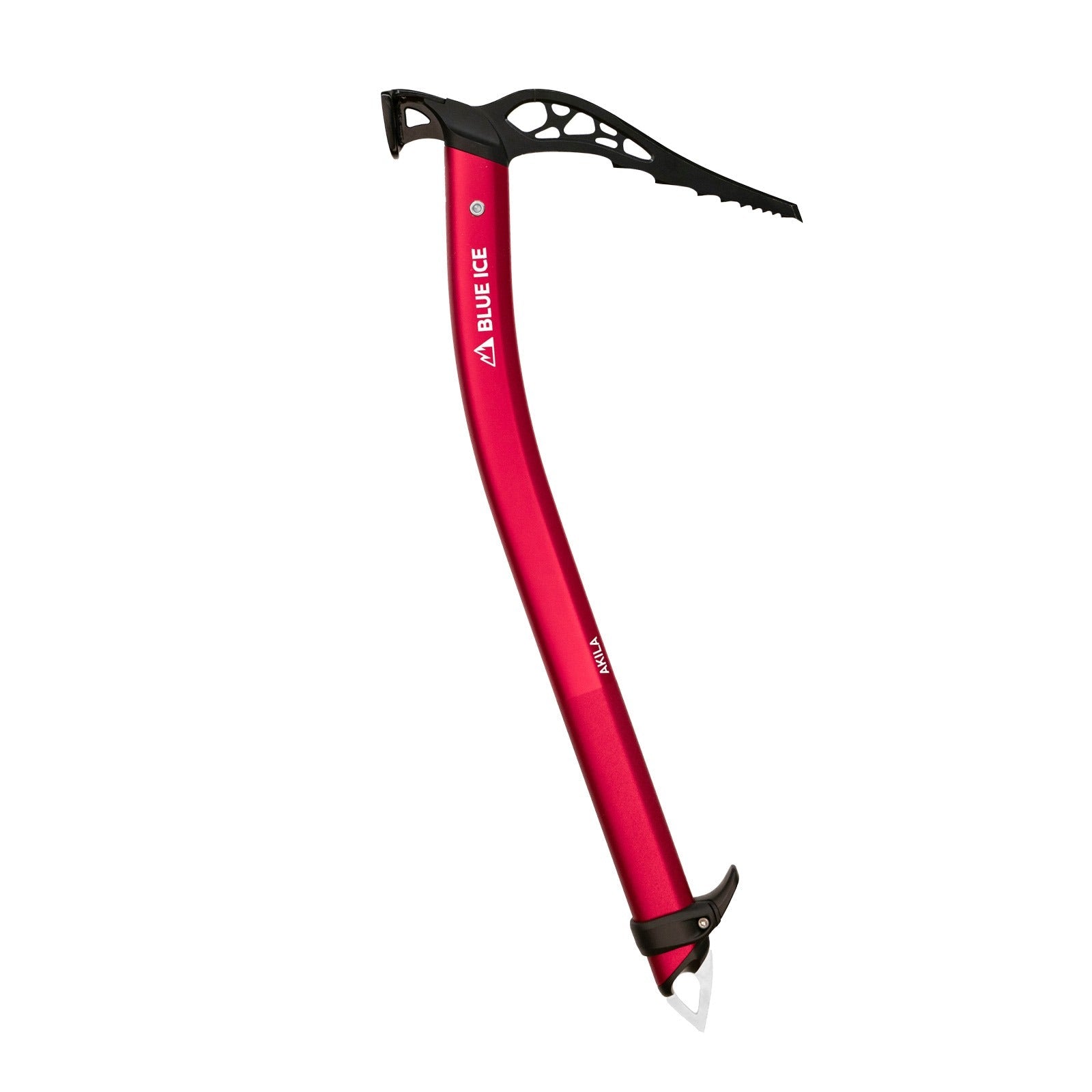
Akila Ice Axe
Sale price$185.95 USD
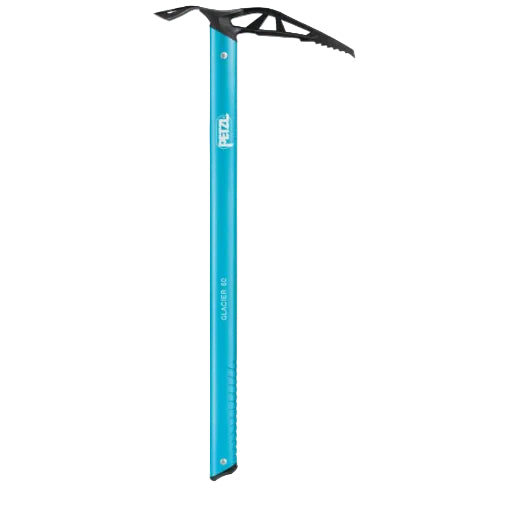
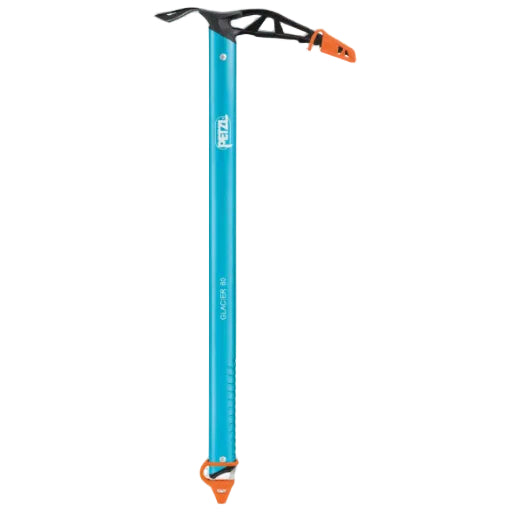
Glacier Ice Axe
Sale price$129.95 USD
