






Sleeping Pads & Accessories
Don’t "Sleep" on Your Pad Choice
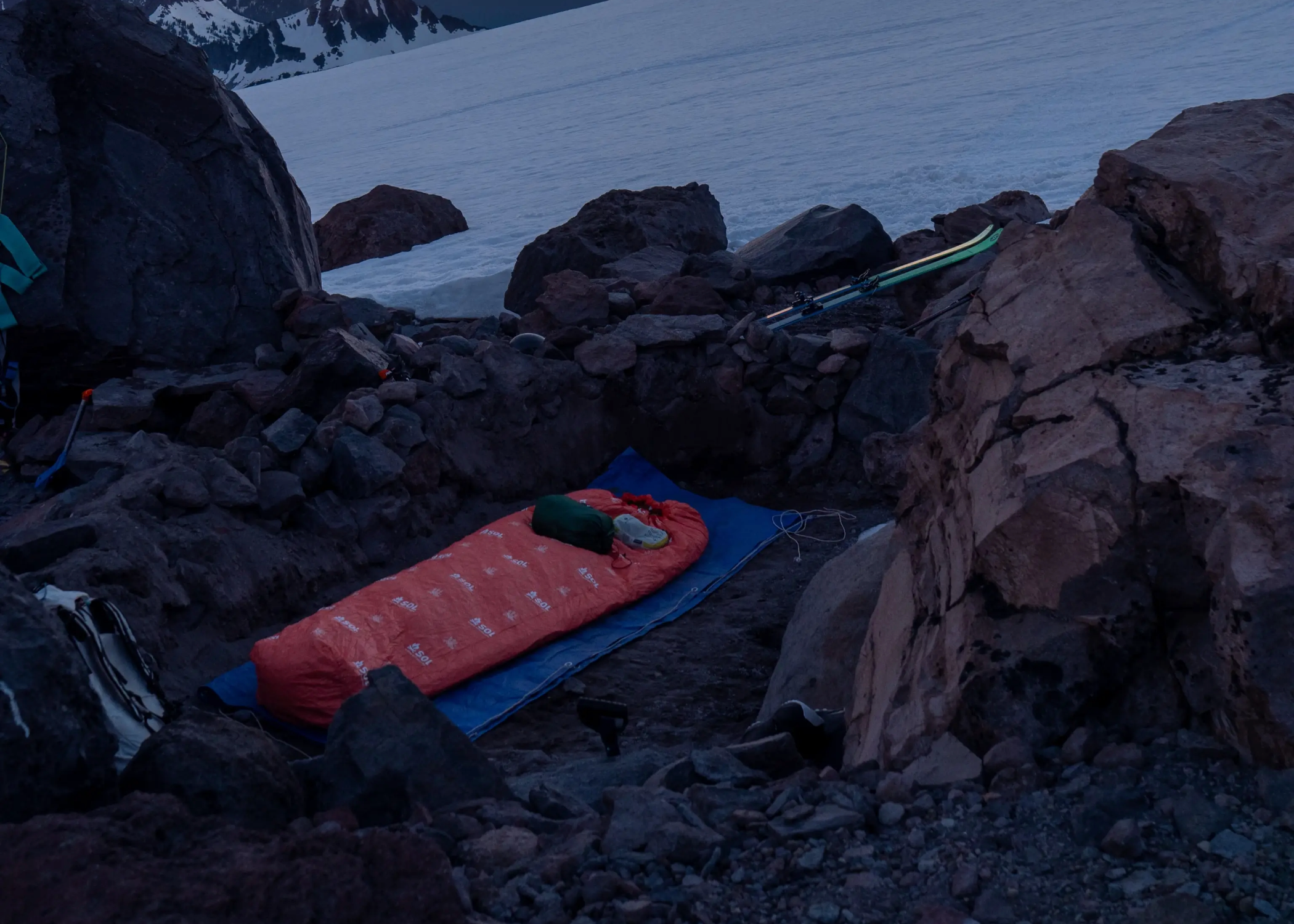
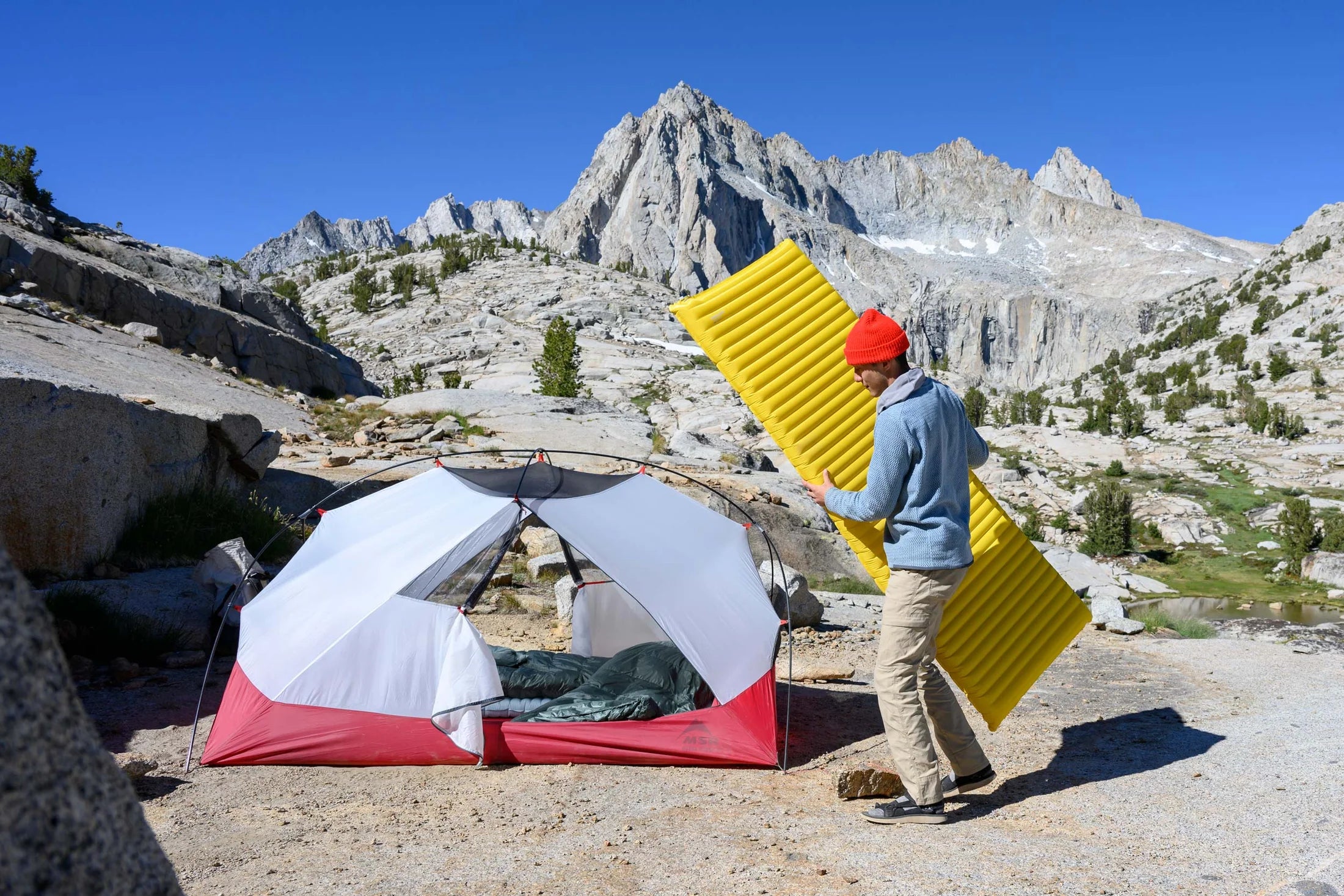
Sleeping pads are the unsung heroes of a good night in the mountains. They insulate you from the frozen ground, add comfort after long days, and make your sleeping bag perform the way it’s meant to. Whether you prefer inflatable, self-inflating, or closed-cell foam, these guide-tested pads balance warmth, weight, and durability for true alpine use.
Field Tested · Guide Endorsed
Guide Picks
Skip the browsing — pick from the cream of the crop. Like our tagline says, we simplify outfitting.
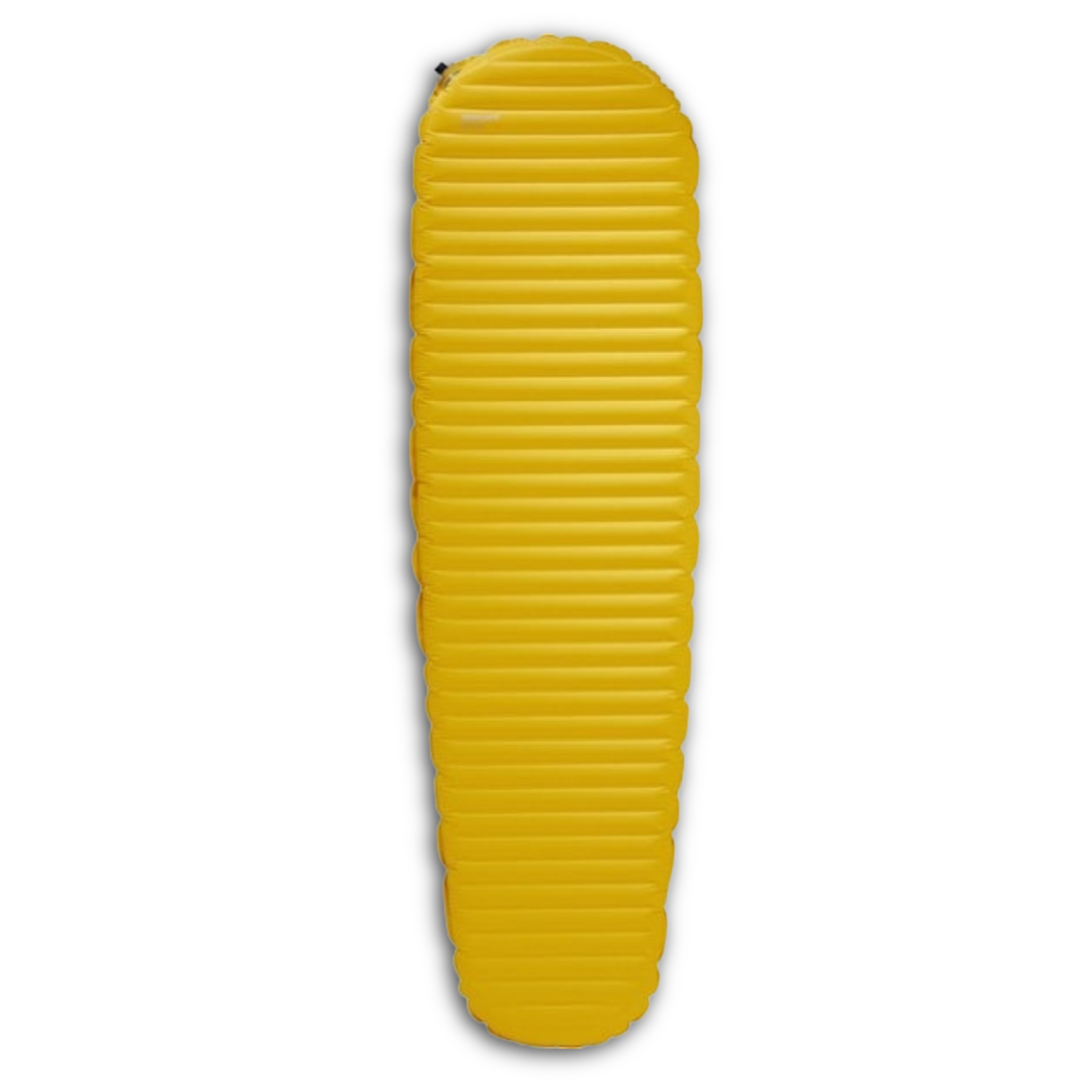
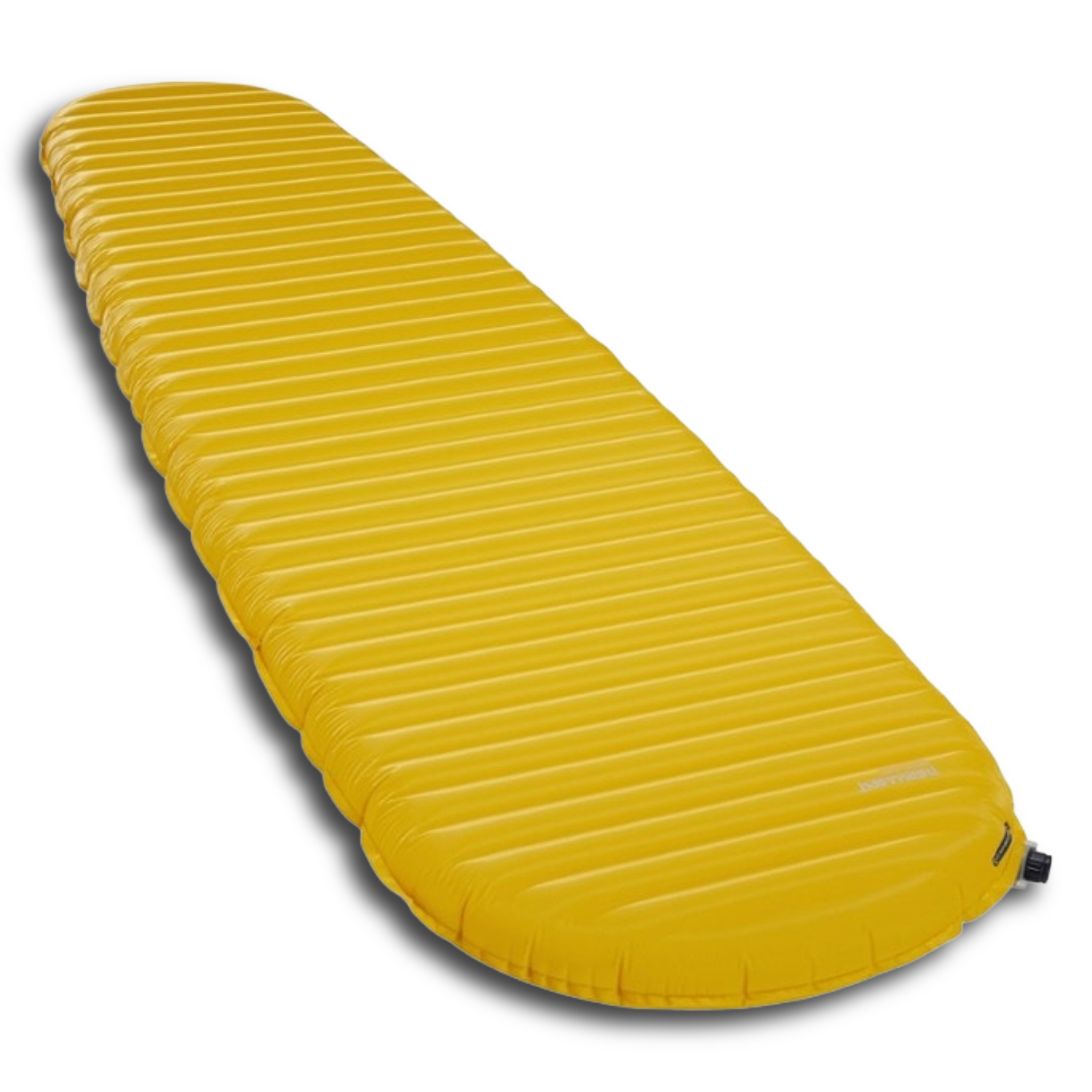

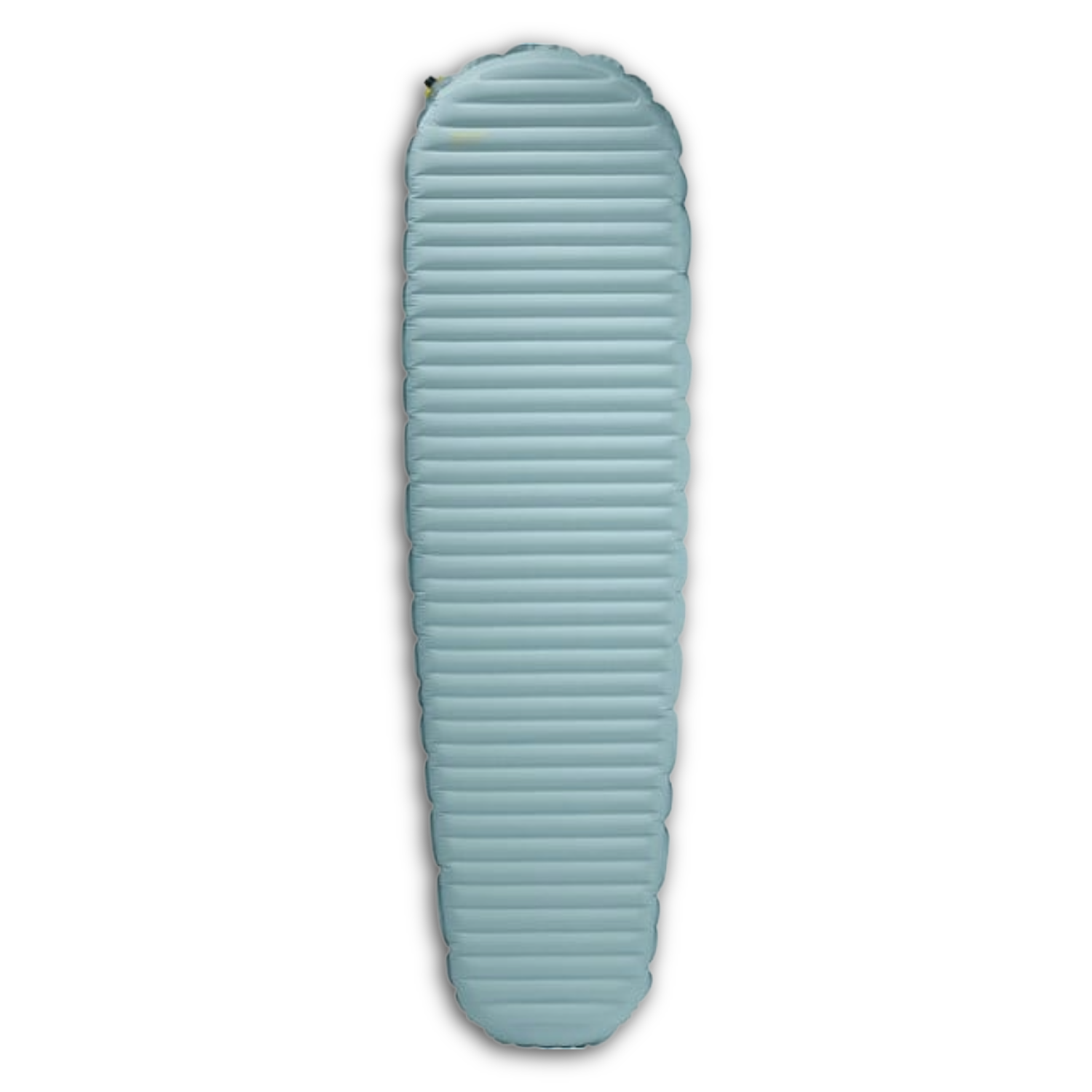
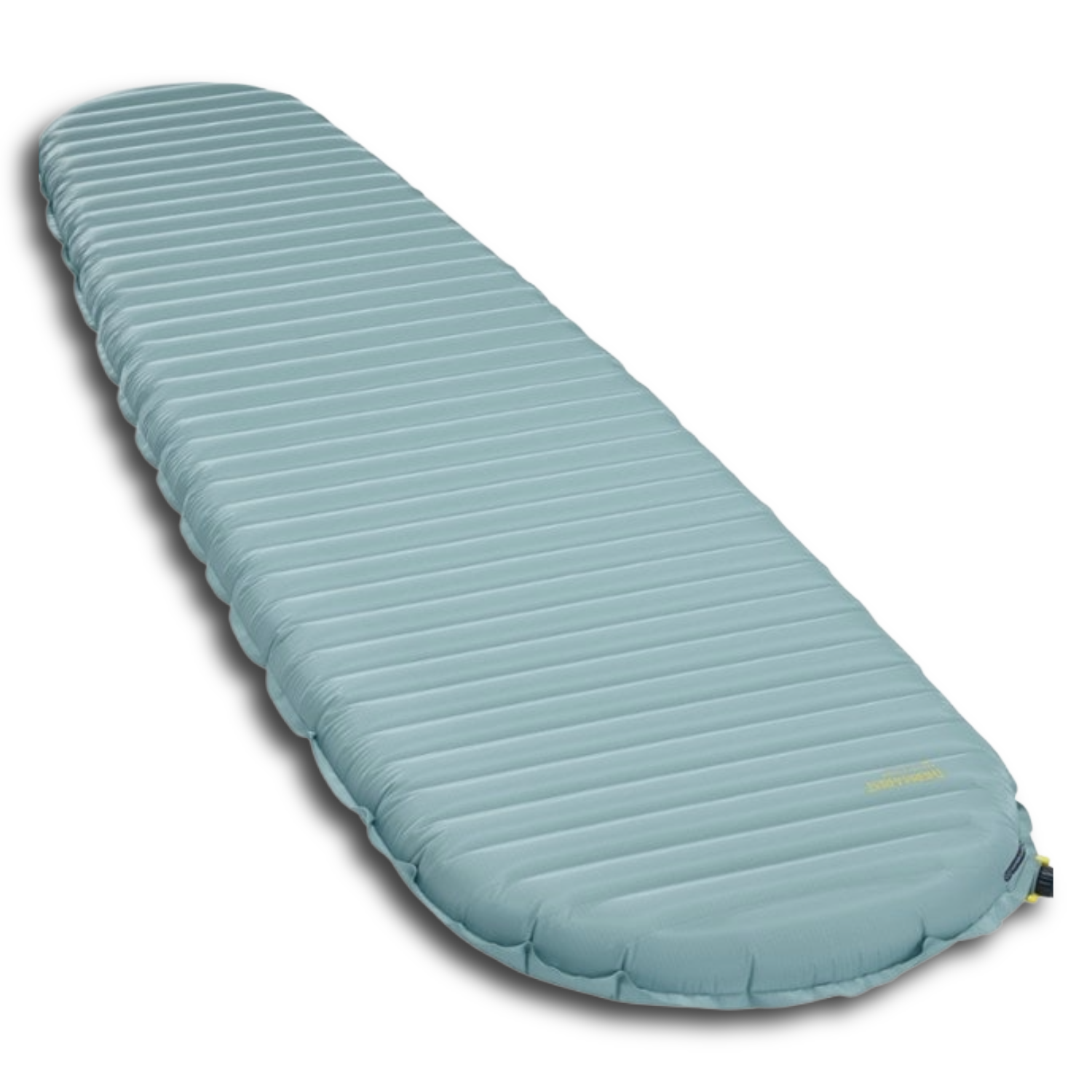
NeoAir Xlite NXT Sleeping Pad
Sale priceFrom $209.95 USD
1 color available
NeoAir Xtherm NXT Sleeping Pad
Sale priceFrom $239.95 USD
1 color available
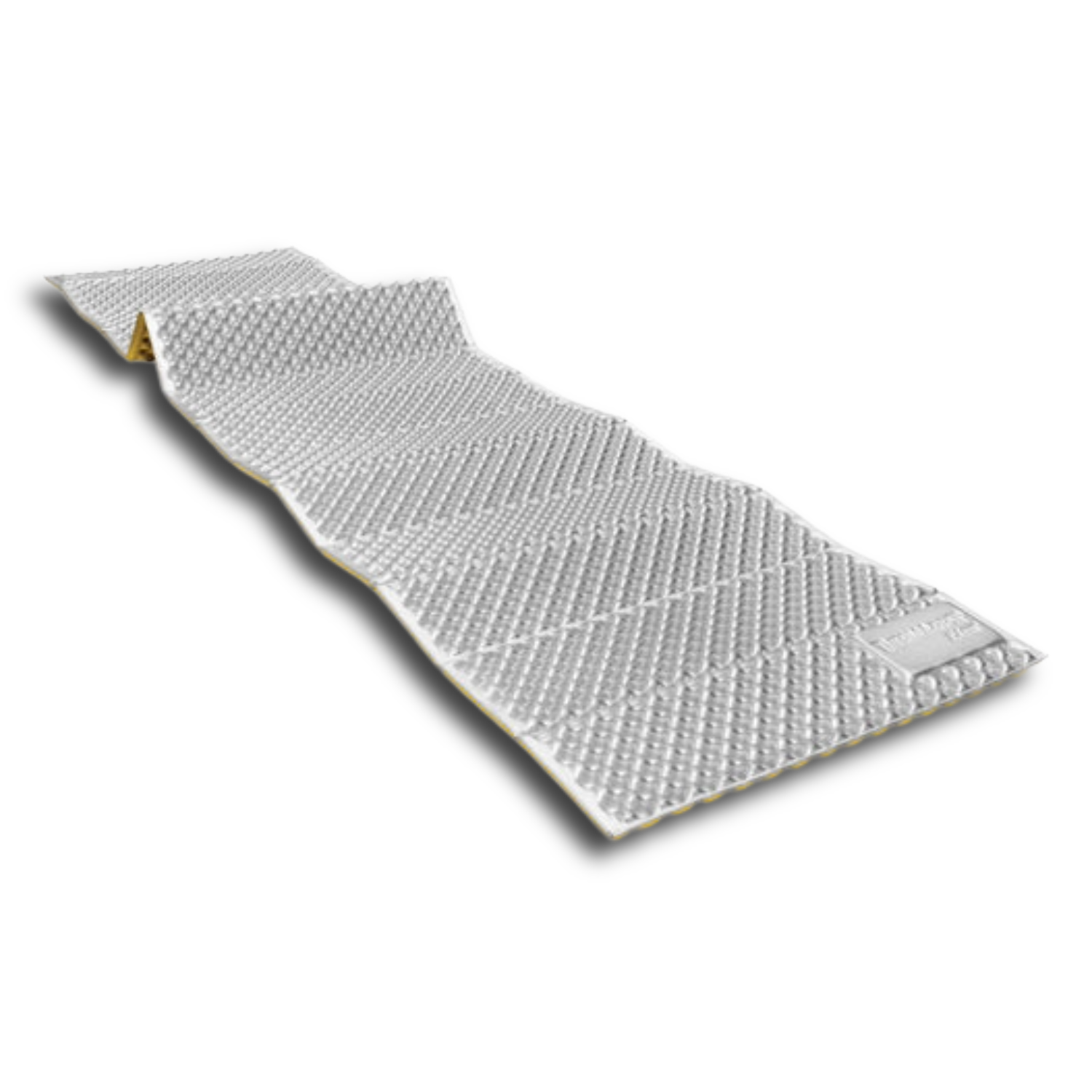
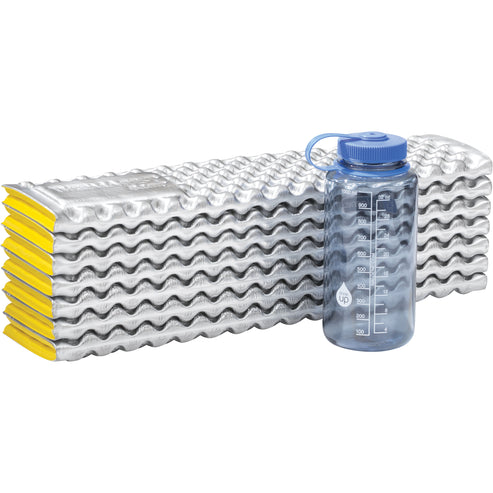
Z-Lite Sol
Sale priceFrom $49.95 USD
1 color available
Filters
20 products
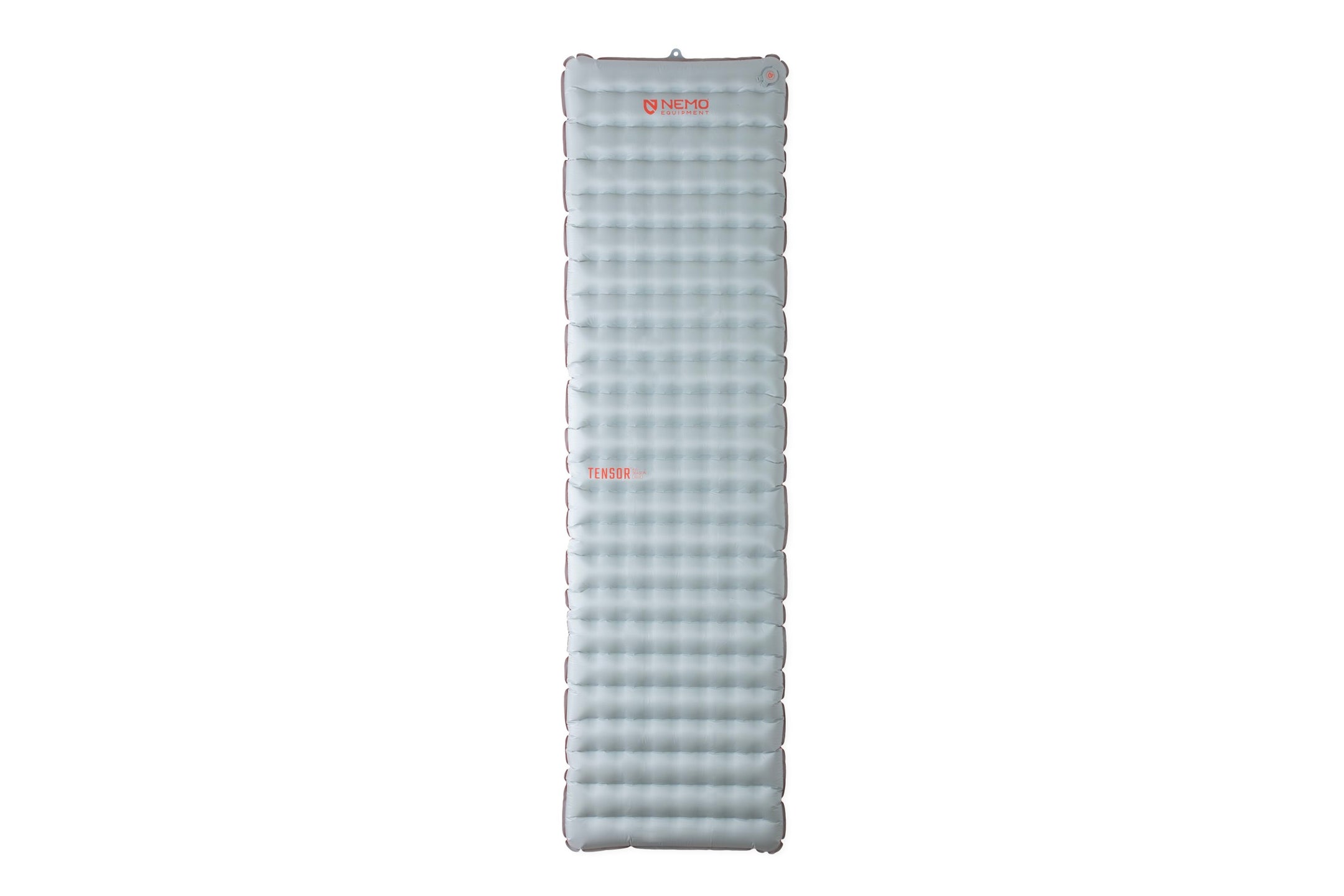

Tensor All-Season Sleeping Pad
Sale priceFrom $219.95 USD
NeoAir Xlite NXT Sleeping Pad
Sale priceFrom $209.95 USD
1 color available
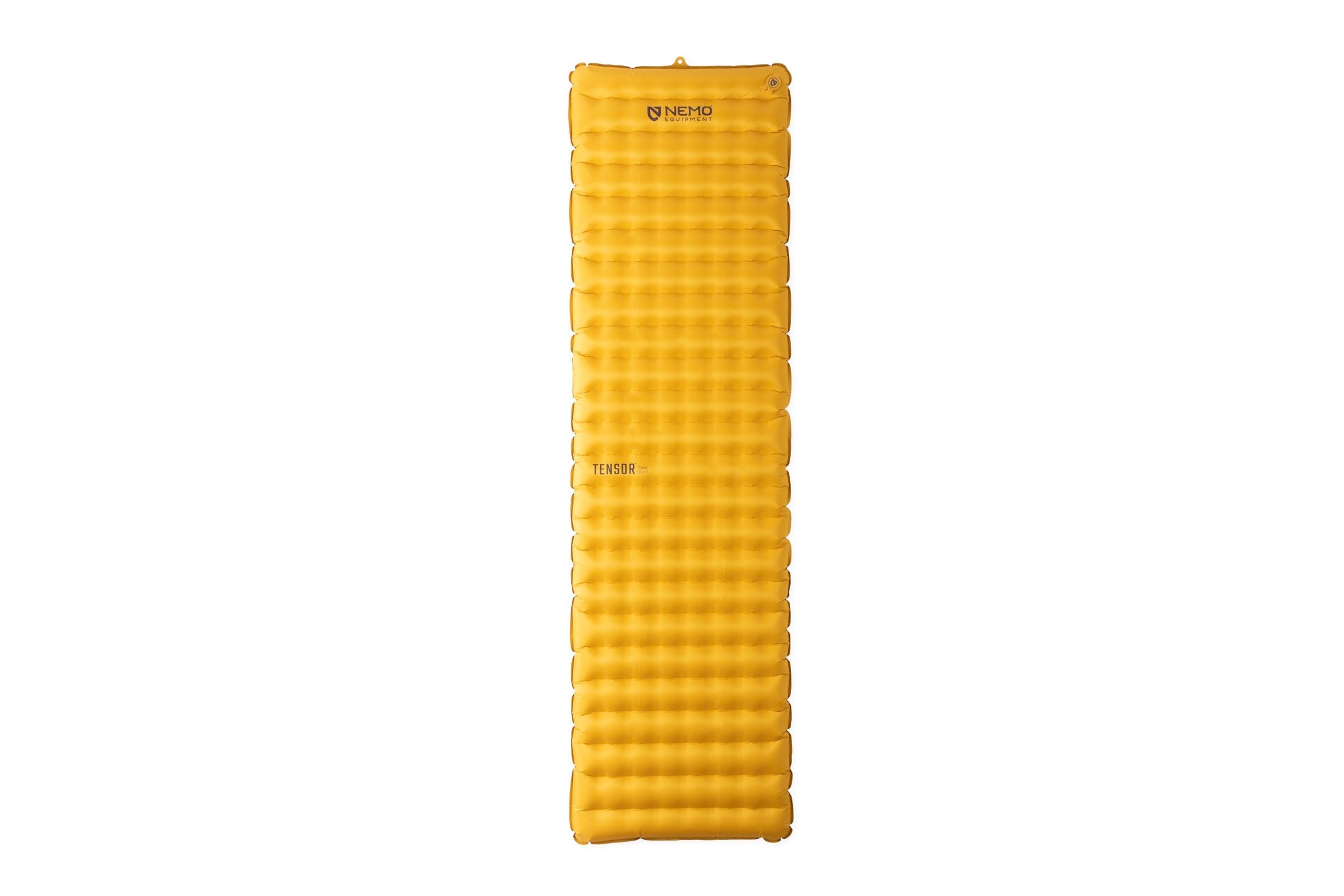

Tensor Trail Sleeping Pad
Sale priceFrom $189.95 USD
2024 Neoair Xtherm NXT
Sale priceFrom $179.99 USD
Regular price$239.95 USD
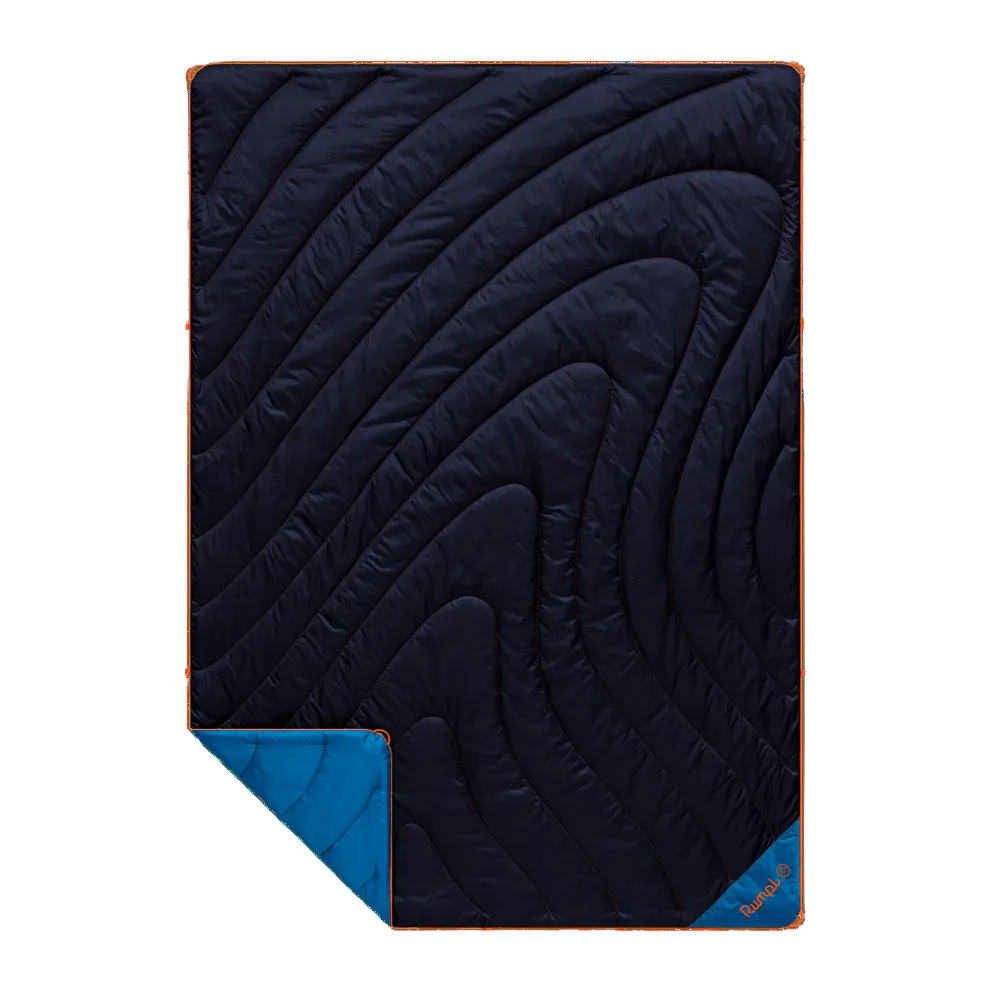
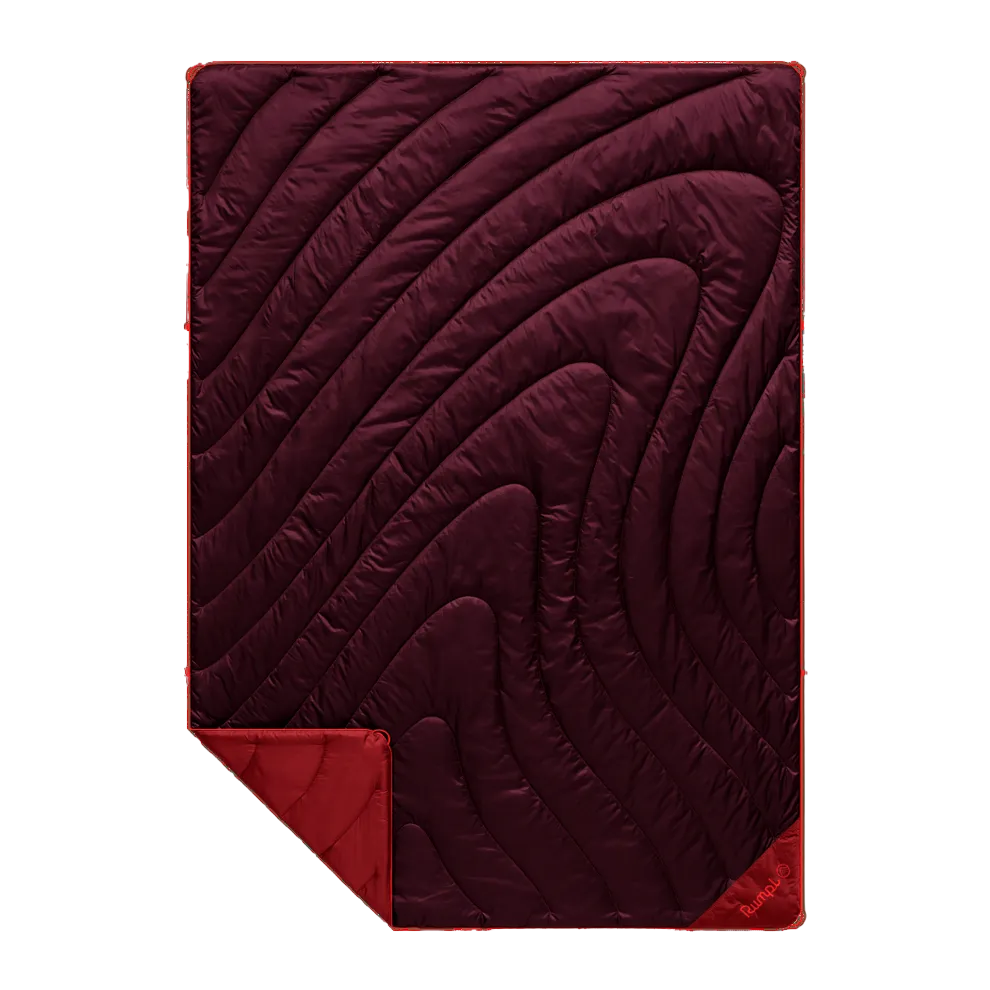
The Original Puffy Blanket
Sale price$99.95 USD
6 colors available
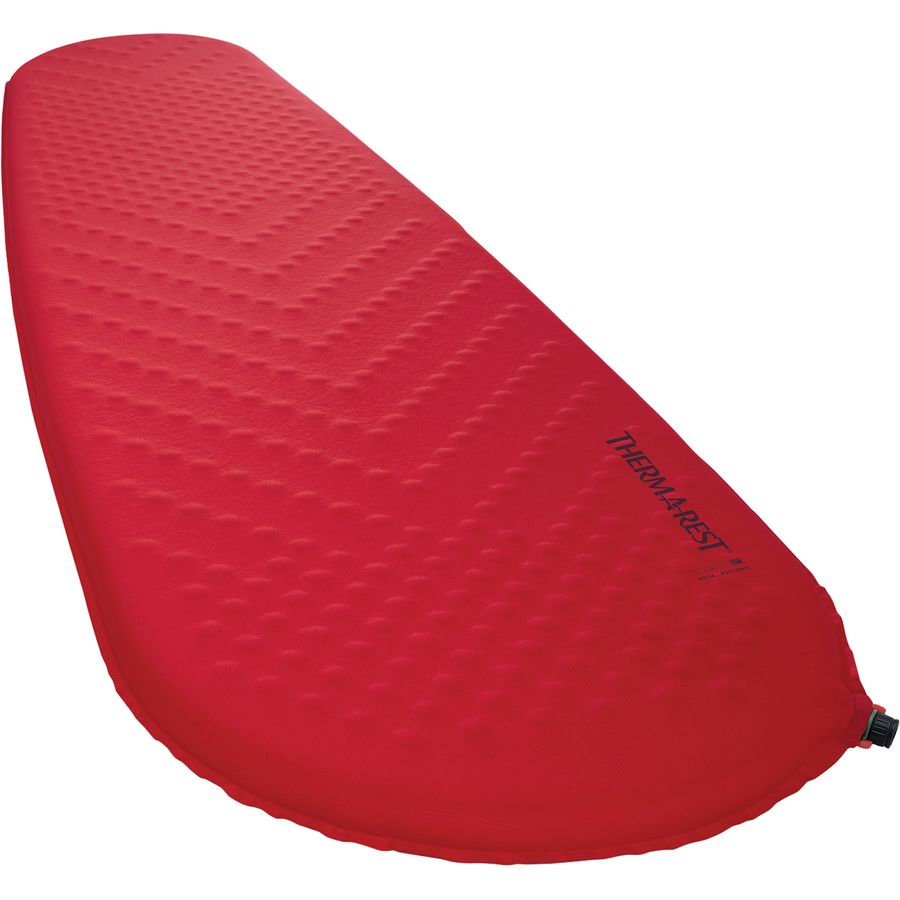
ProLite Plus Sleeping Pad
Sale priceFrom $93.99 USD
Regular price$124.95 USD
1 color available
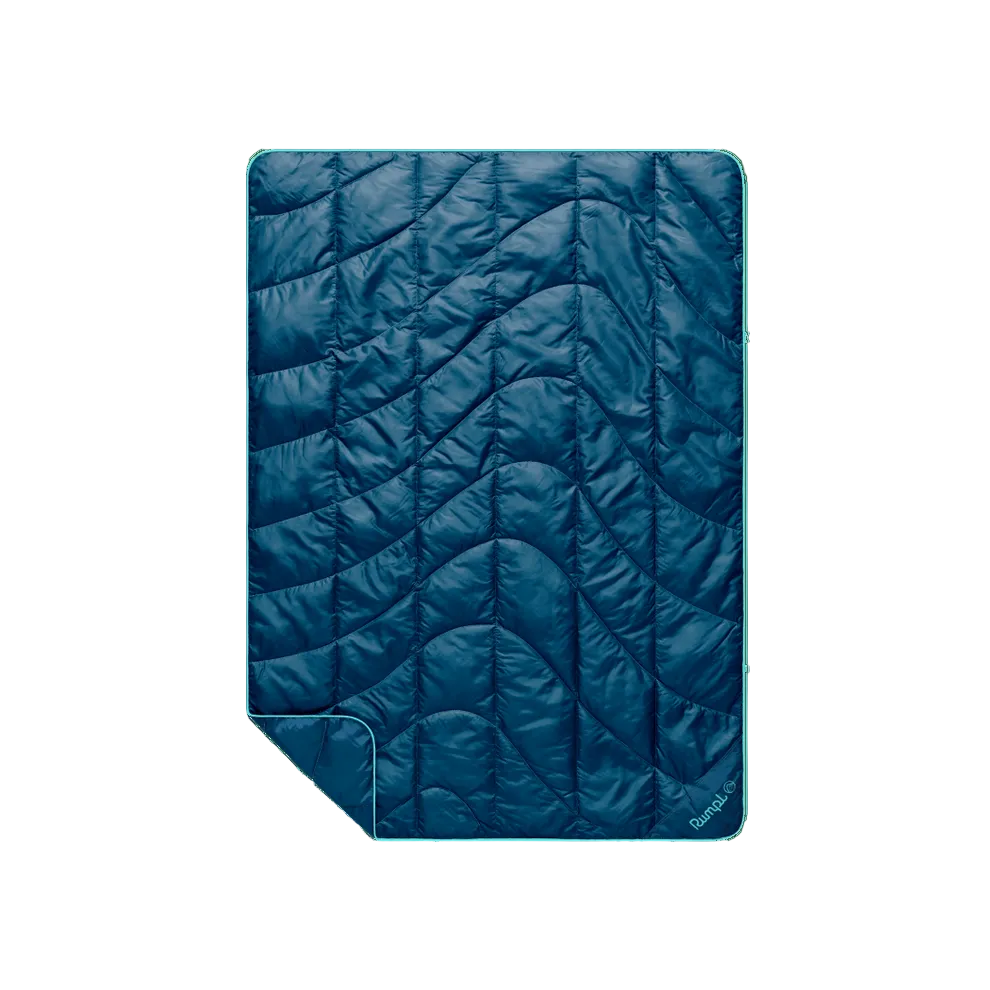
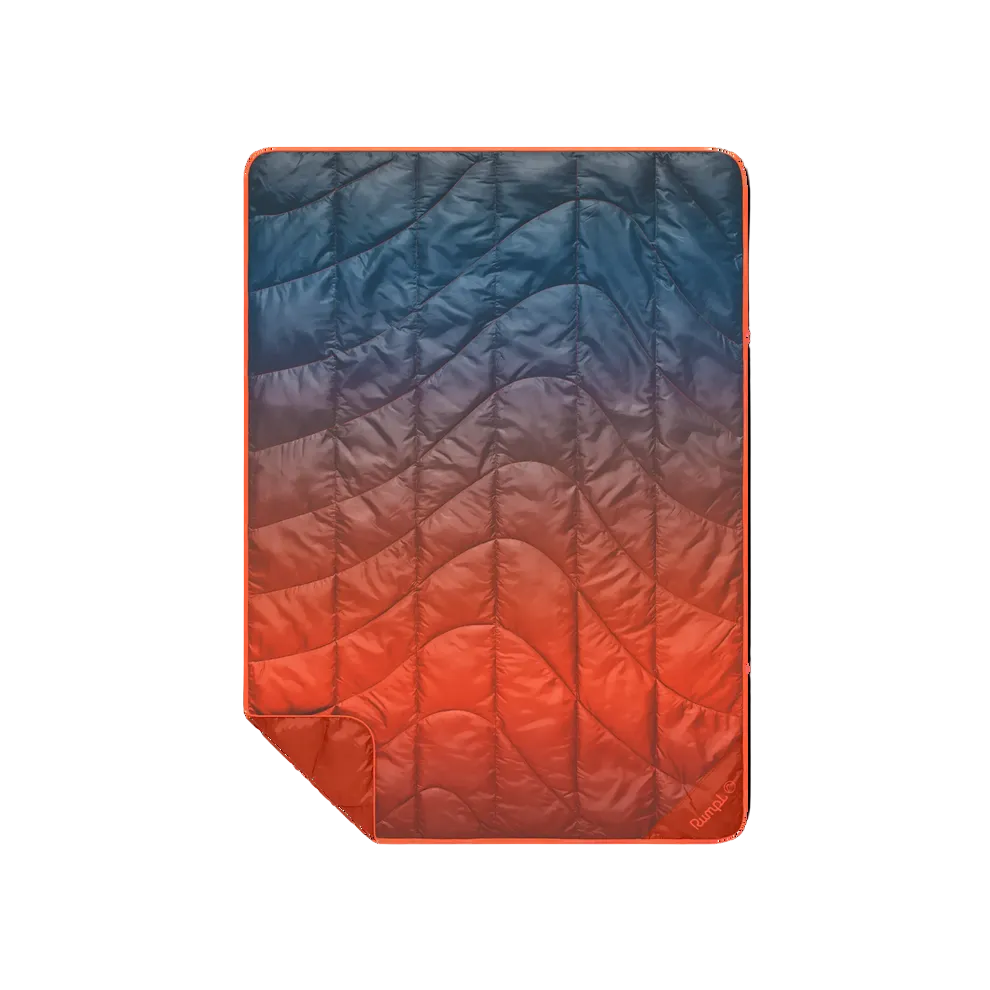
The Travel Puffy Blanket
Sale price$89.95 USD
2 colors available
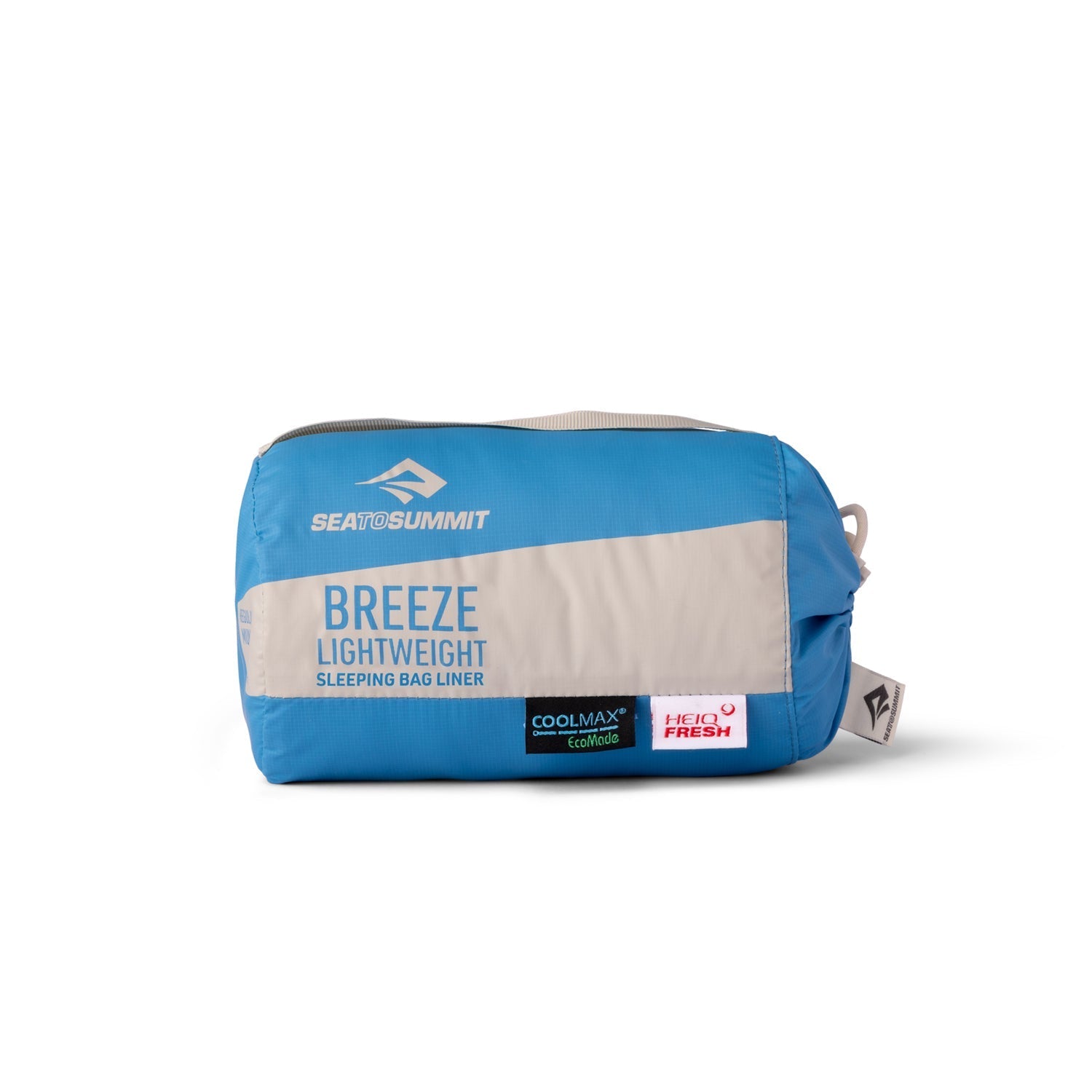
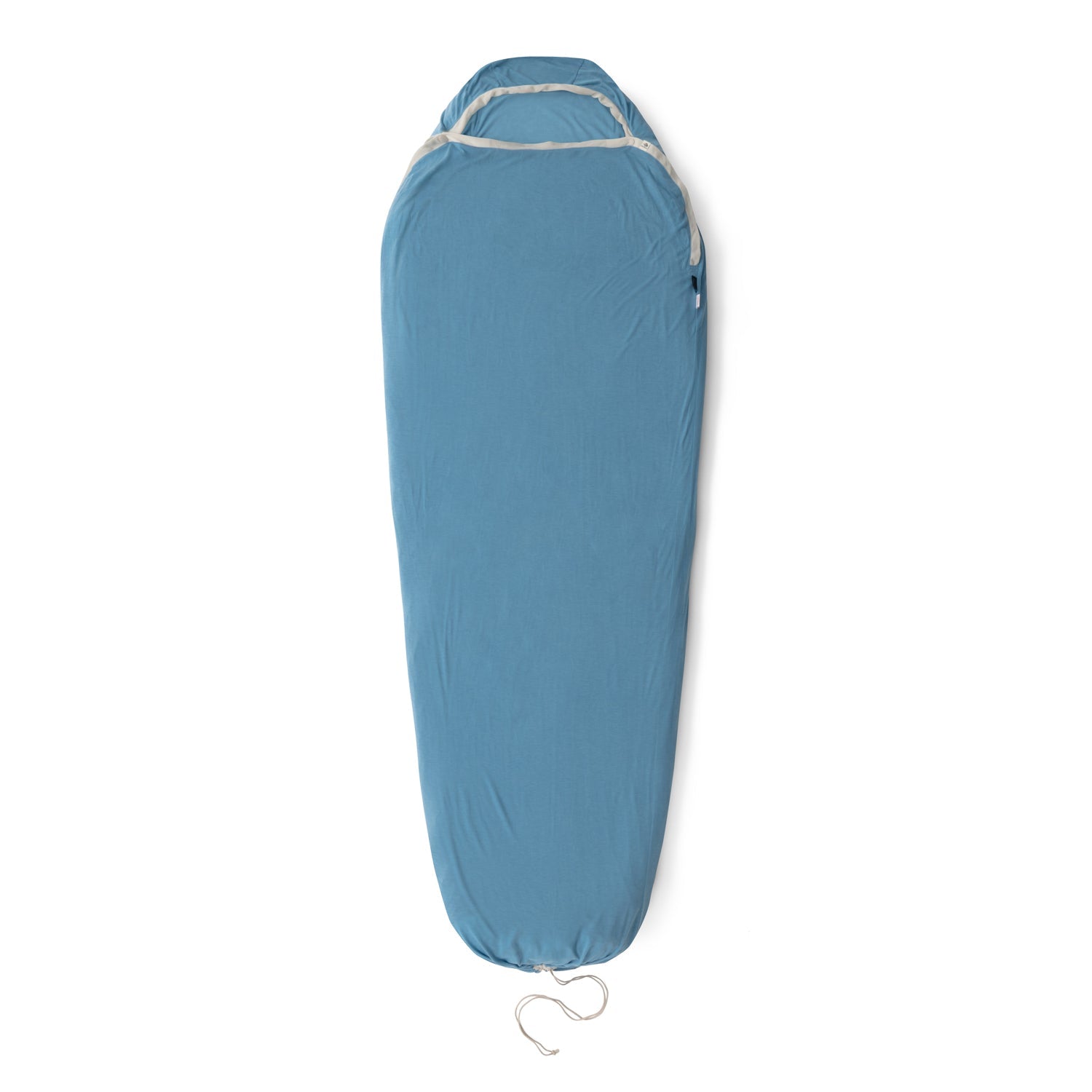
Breeze Liner
Sale price$75.95 USD
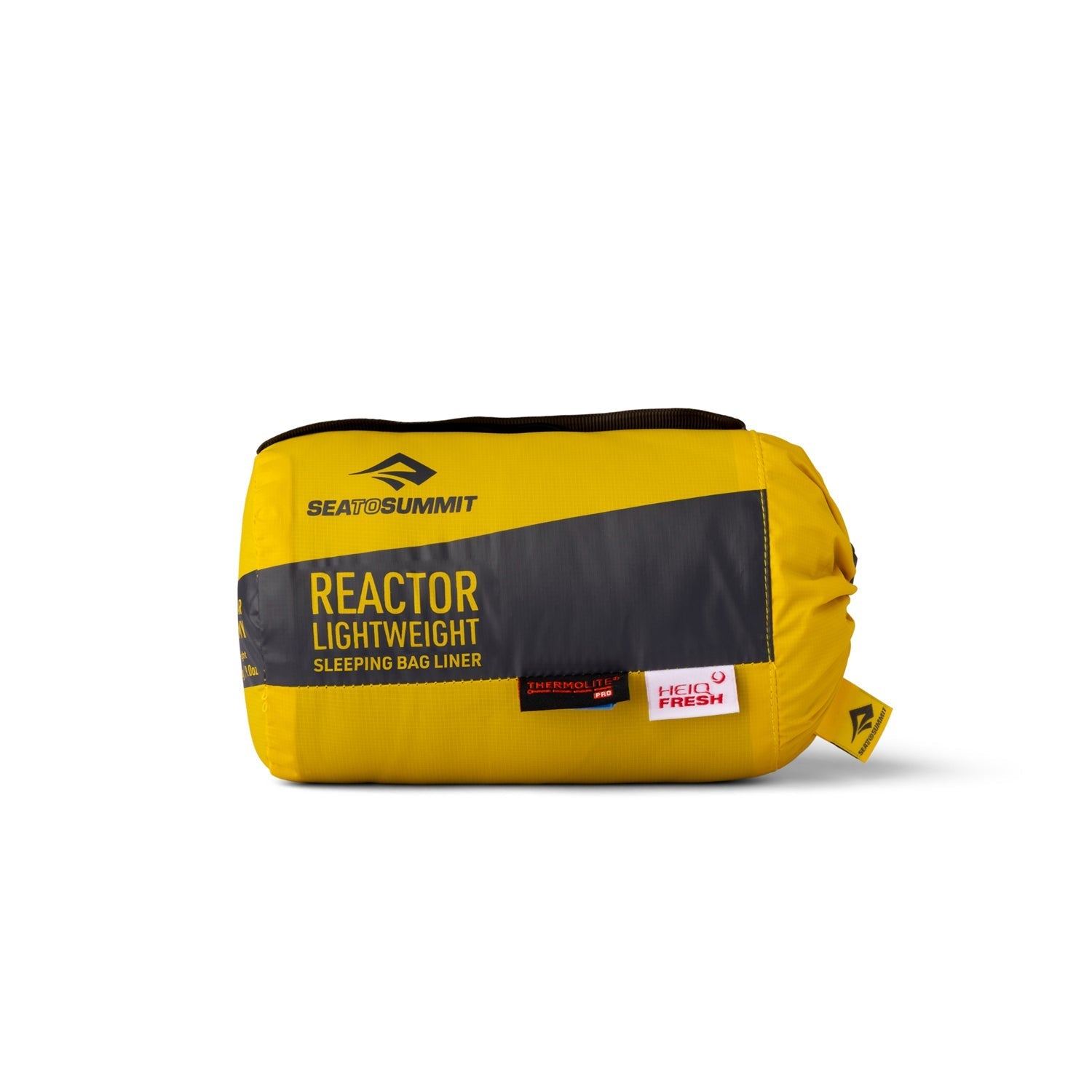
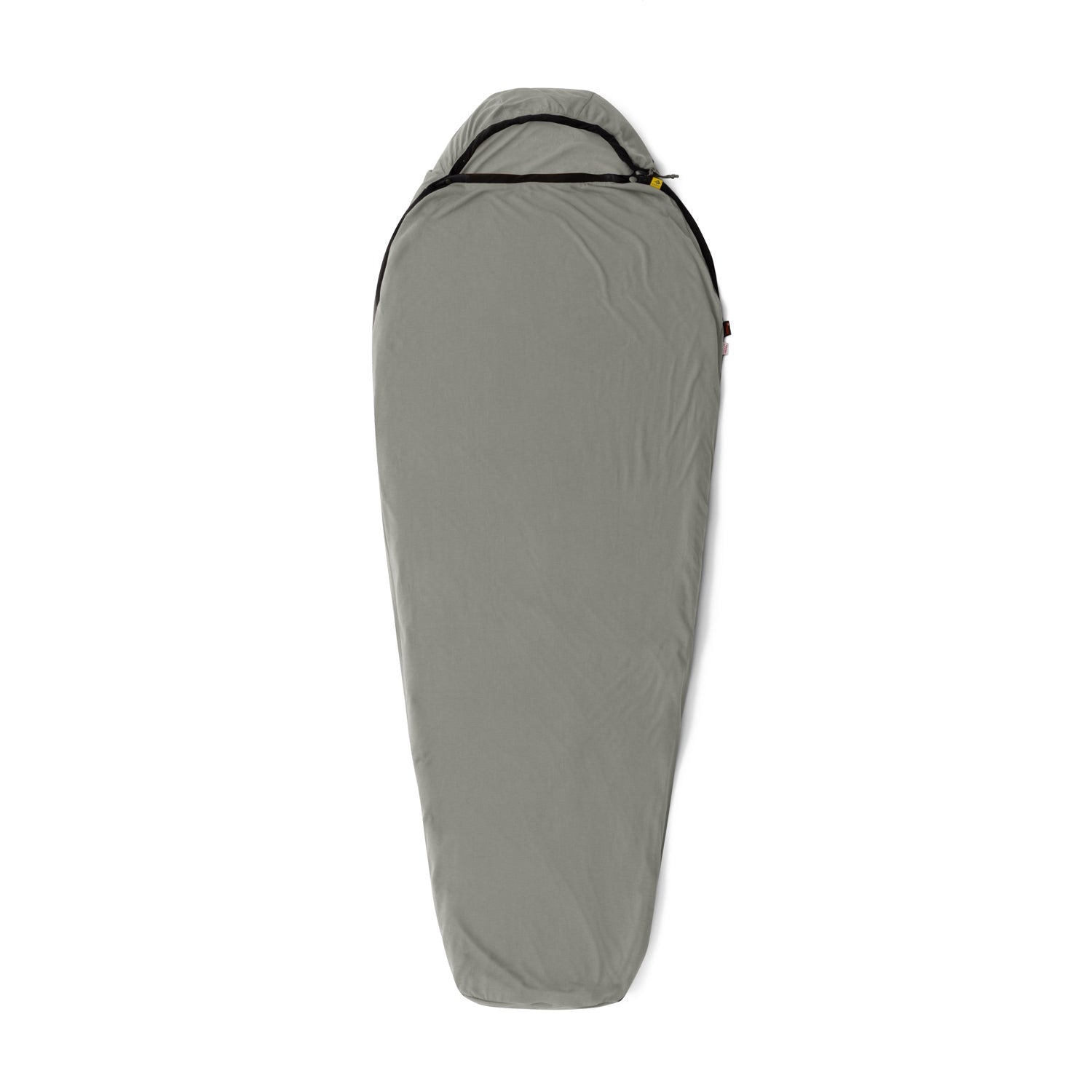
Reactor Lightweight Liner
Sale price$69.95 USD
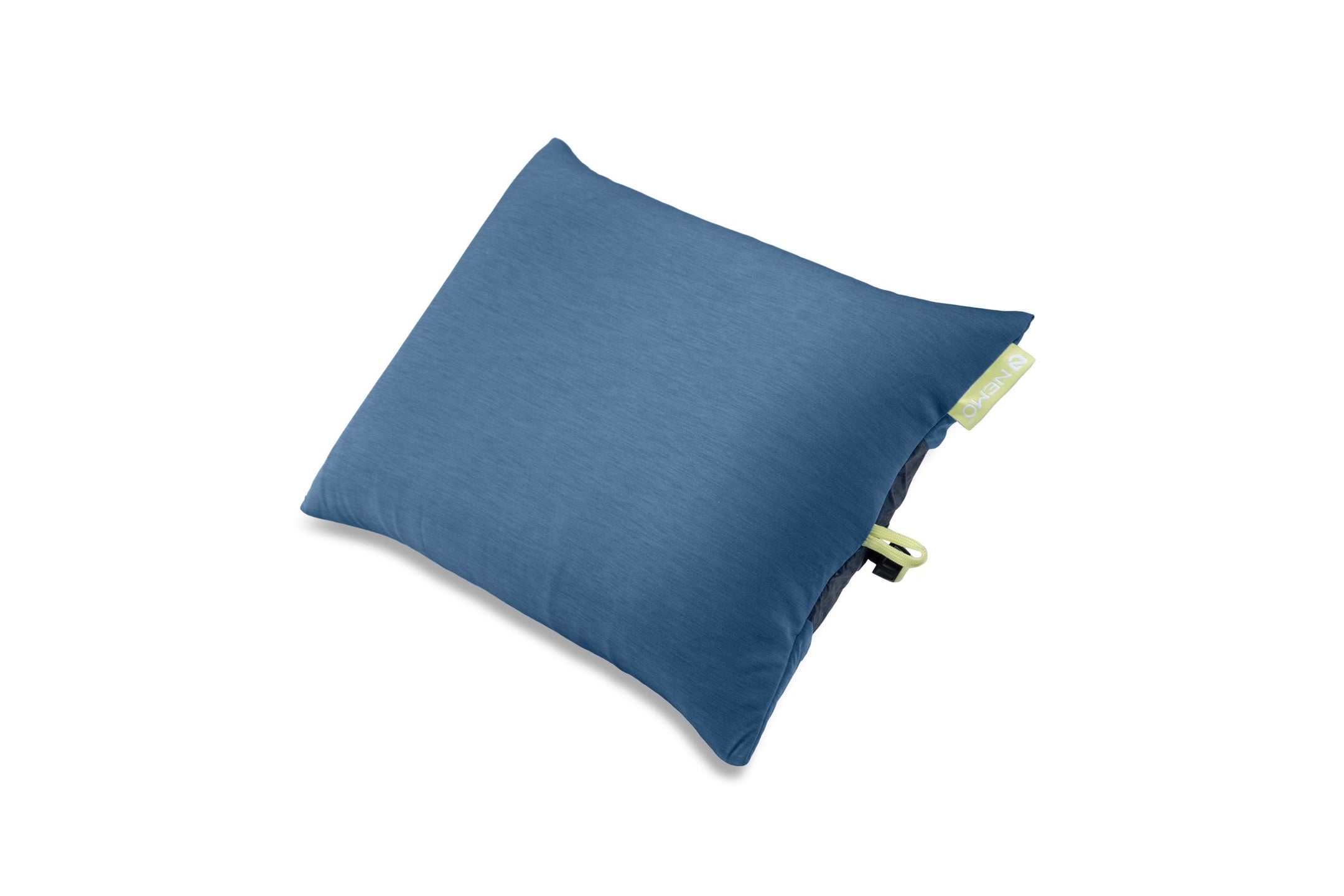
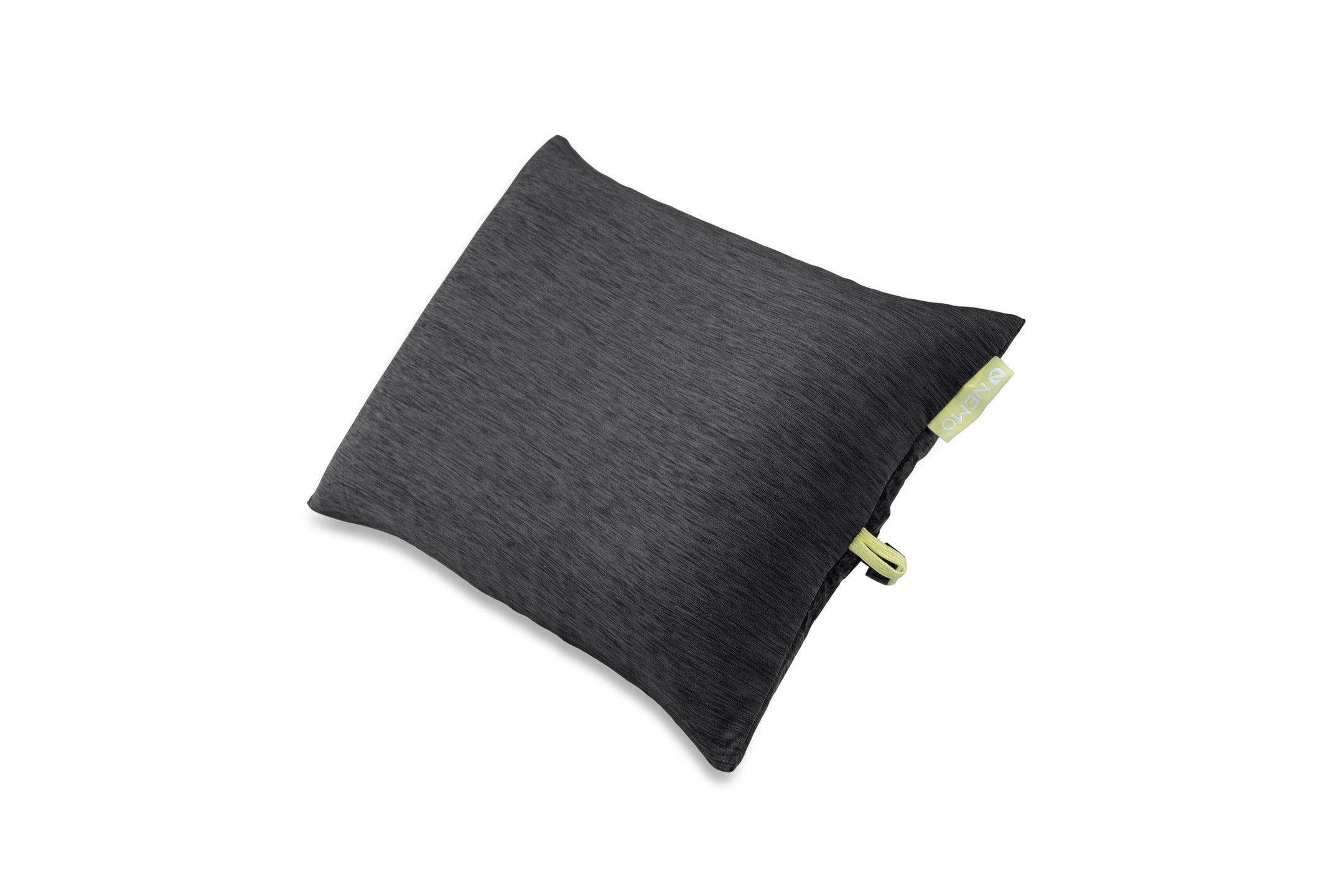
Fillo Elite Pillow
Sale price$59.95 USD
2 colors available
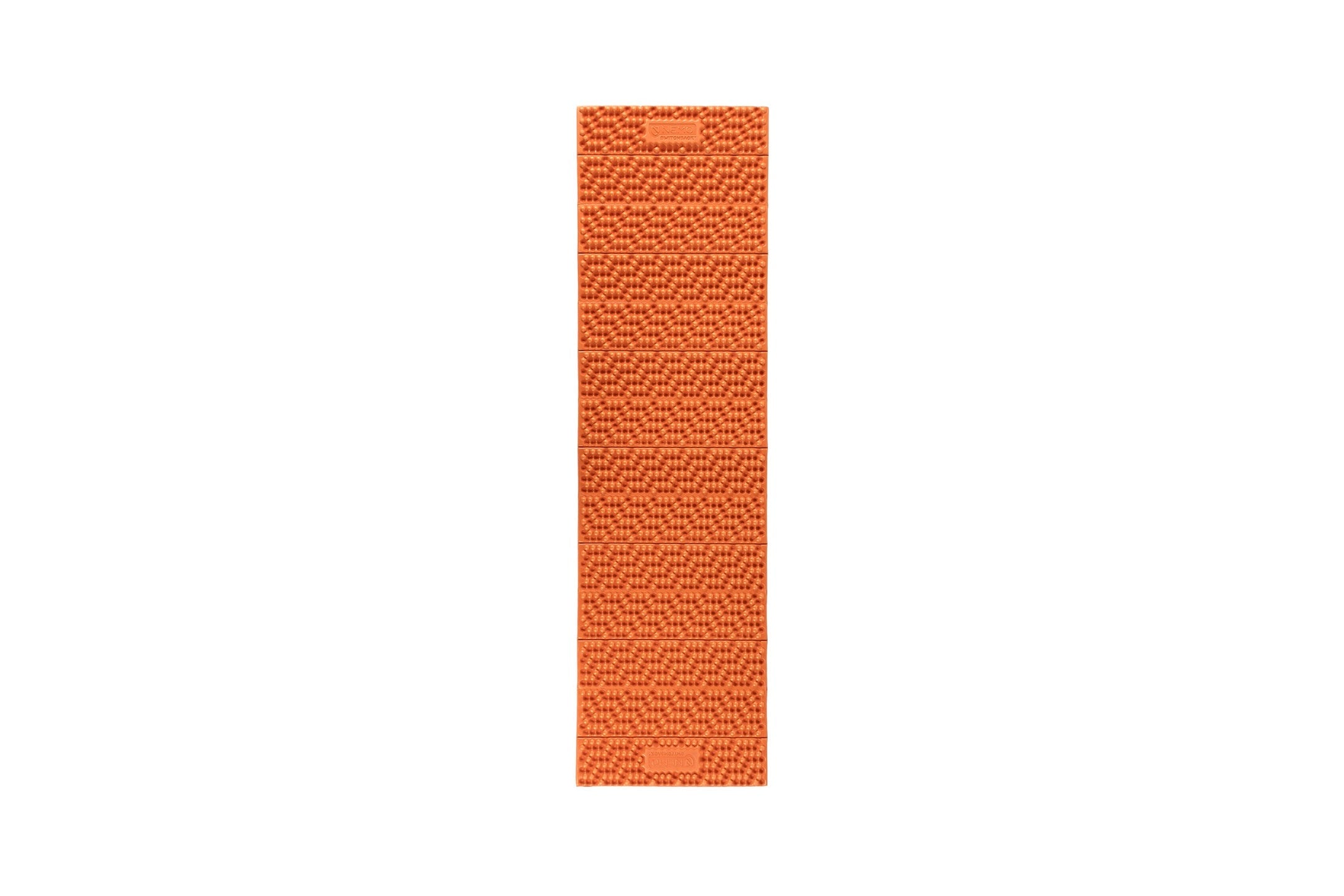
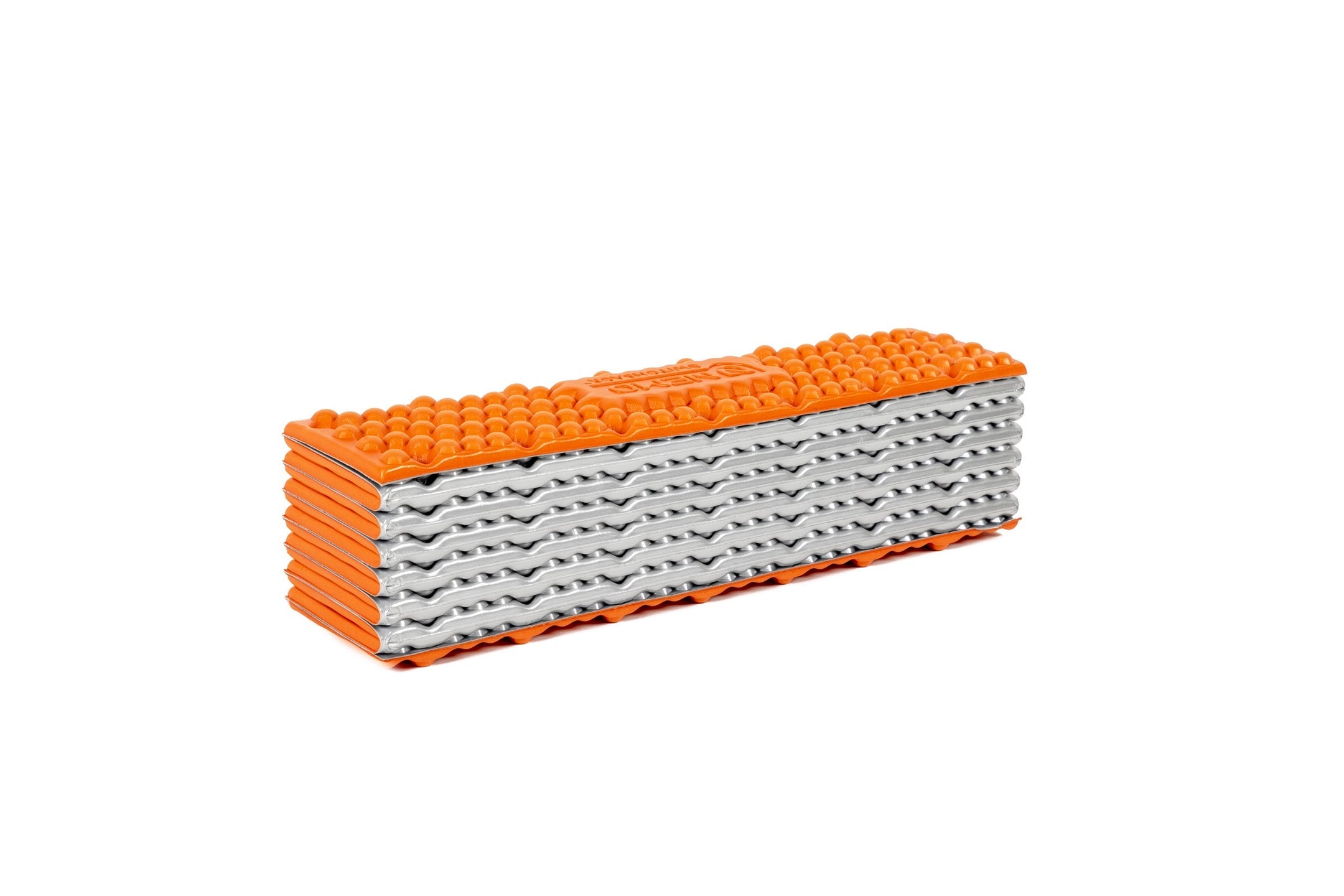
Switchback Sleeping Pad
Sale price$59.95 USD
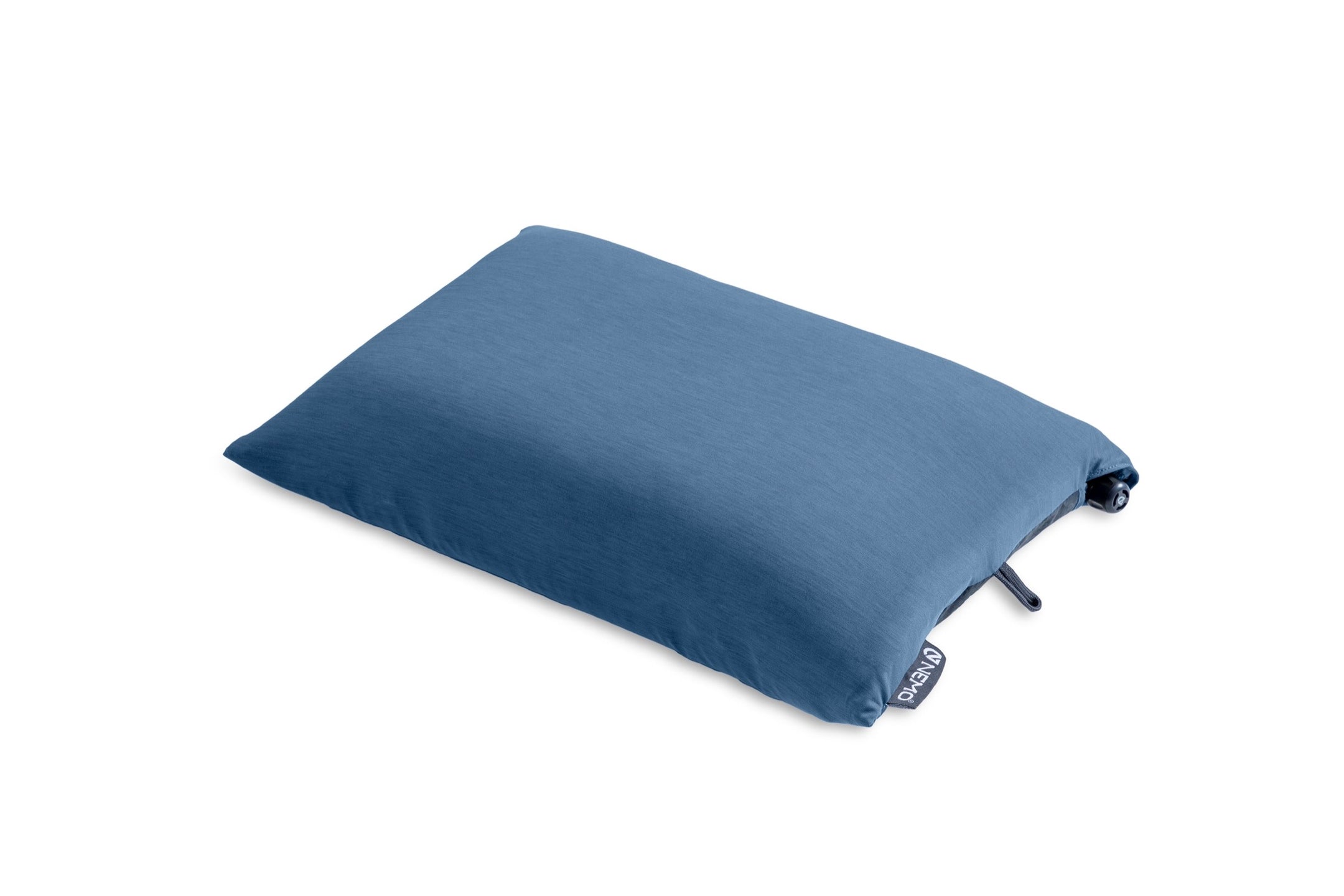
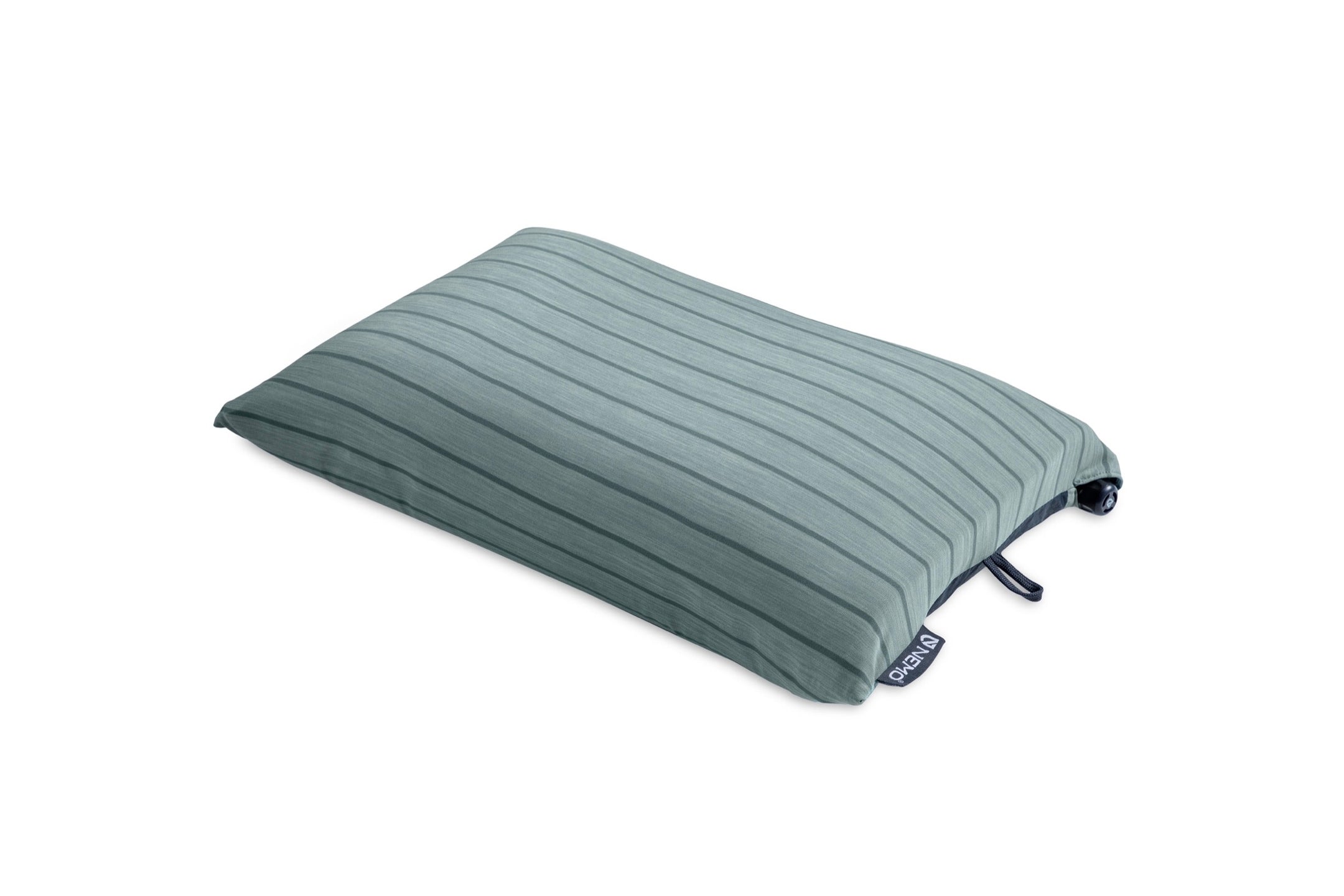
Fillo Pillow
Sale price$49.95 USD
2 colors available
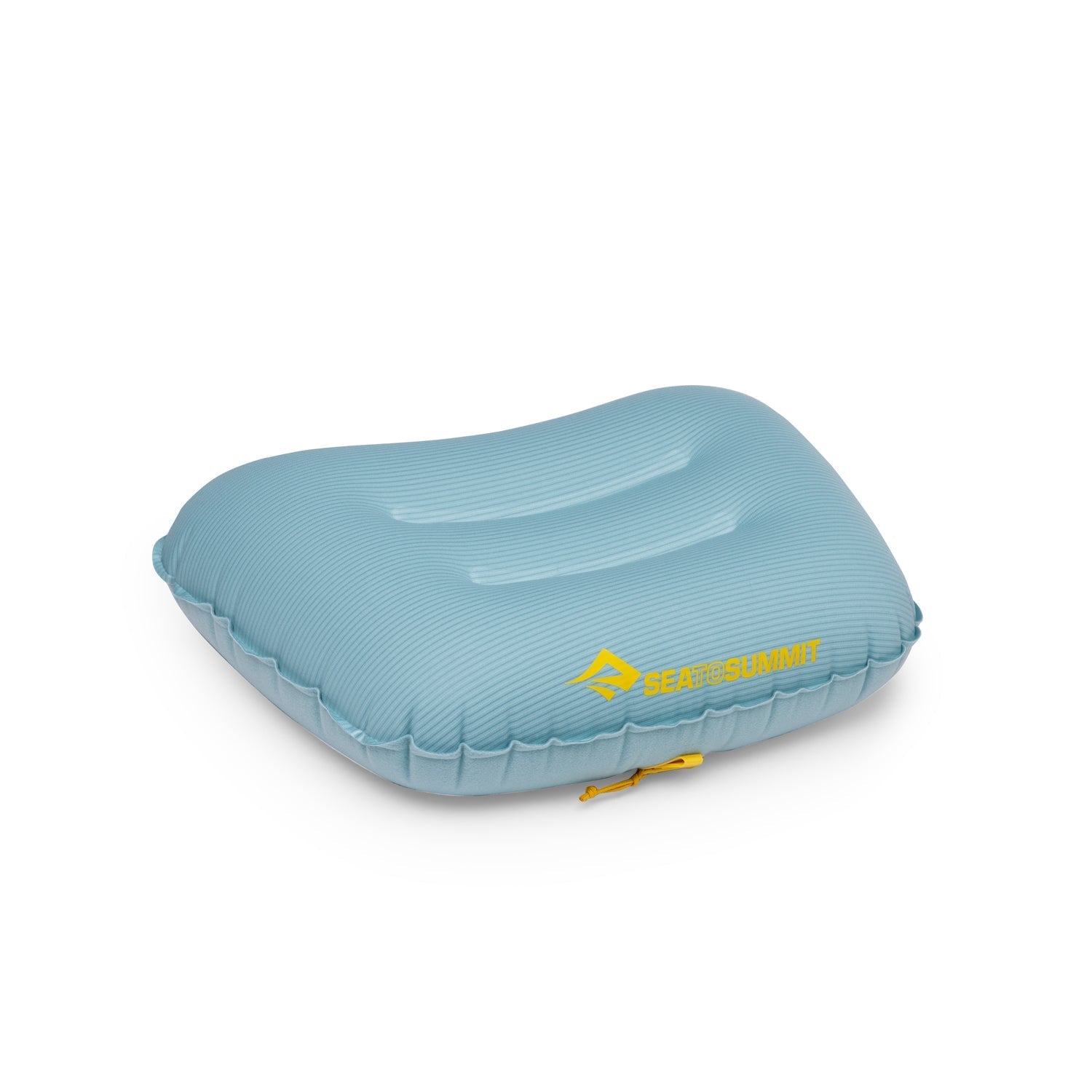
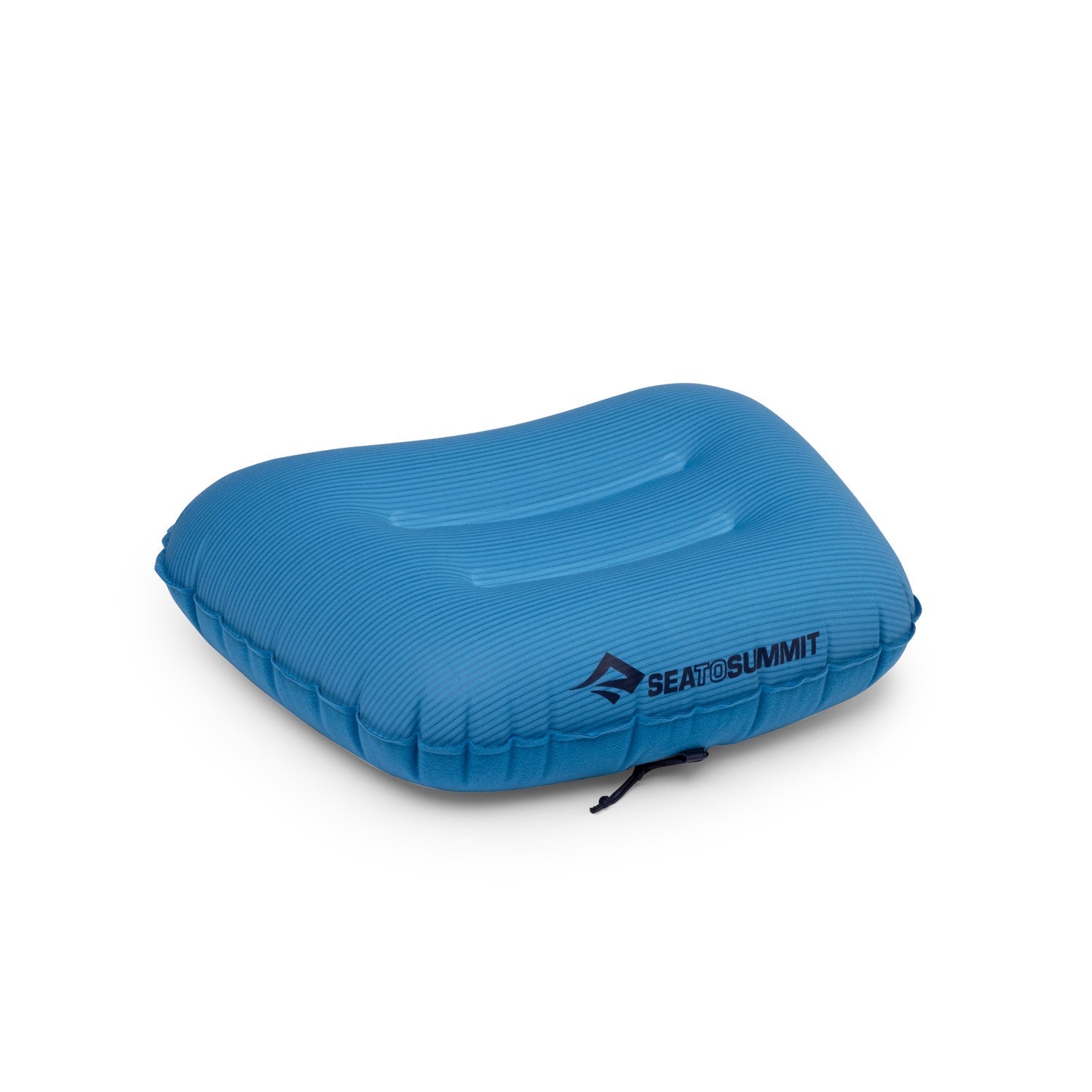
Aeros Ultralight Pillow
Sale price$49.95 USD
4 colors available
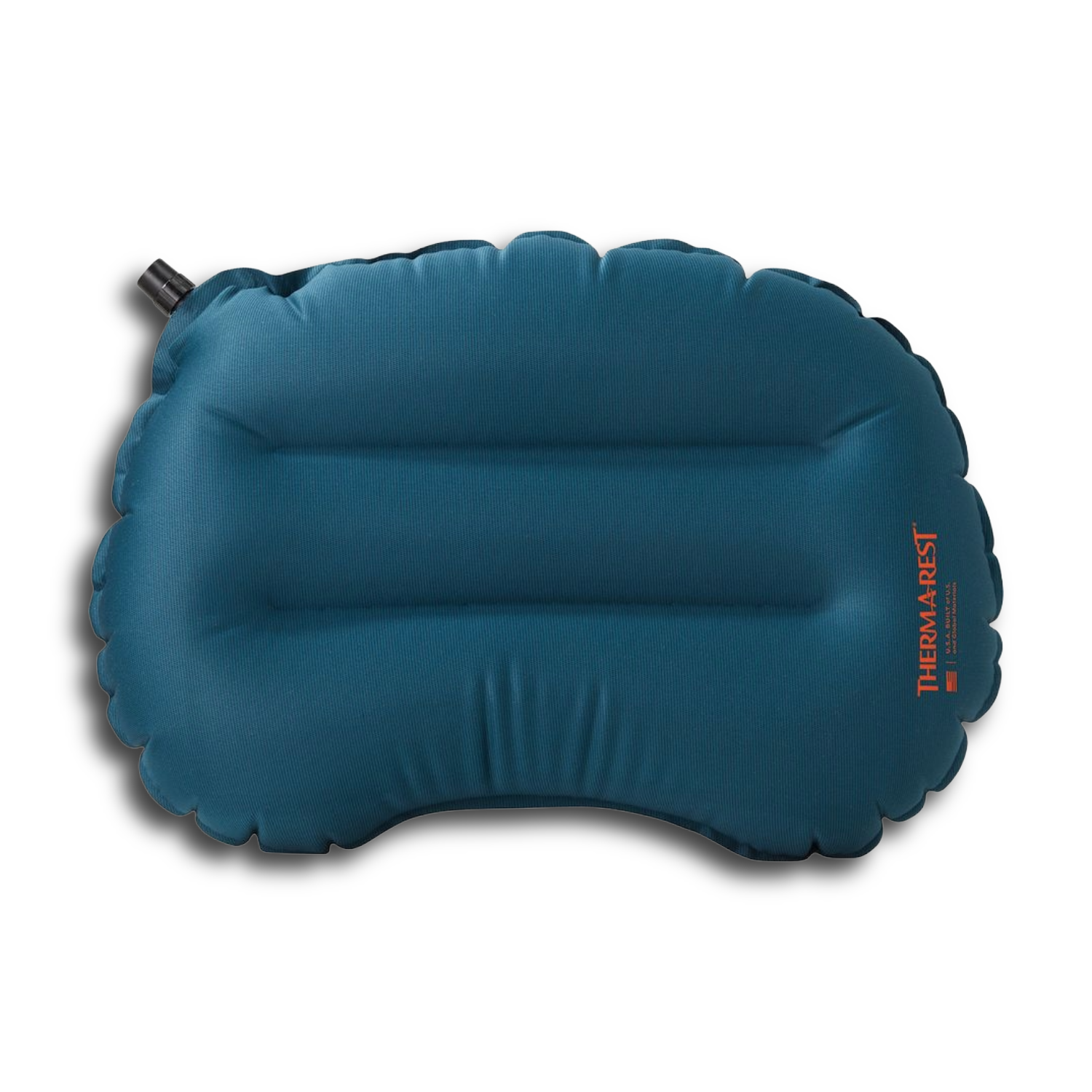
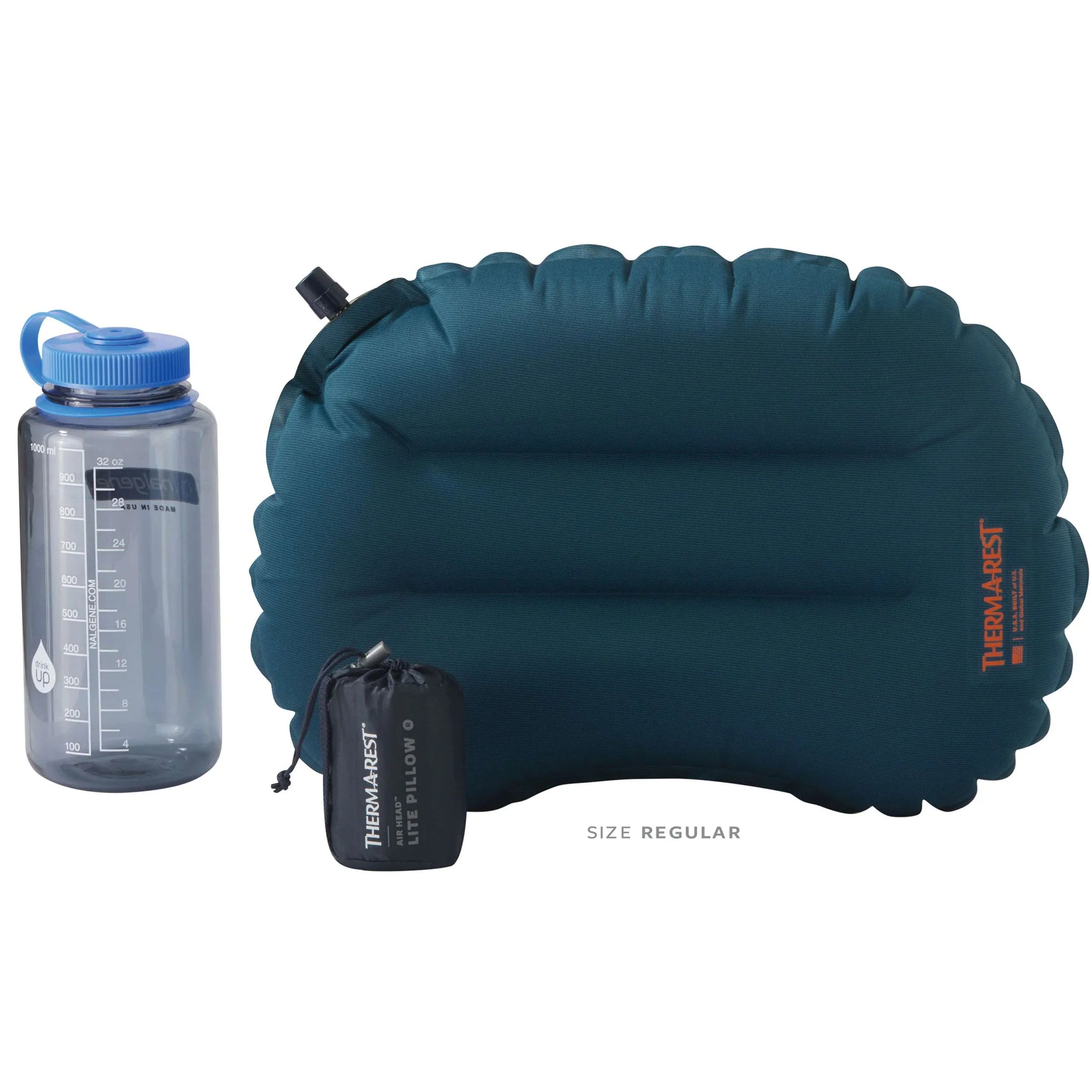
Airhead Lite
Sale price$43.95 USD
1 color available
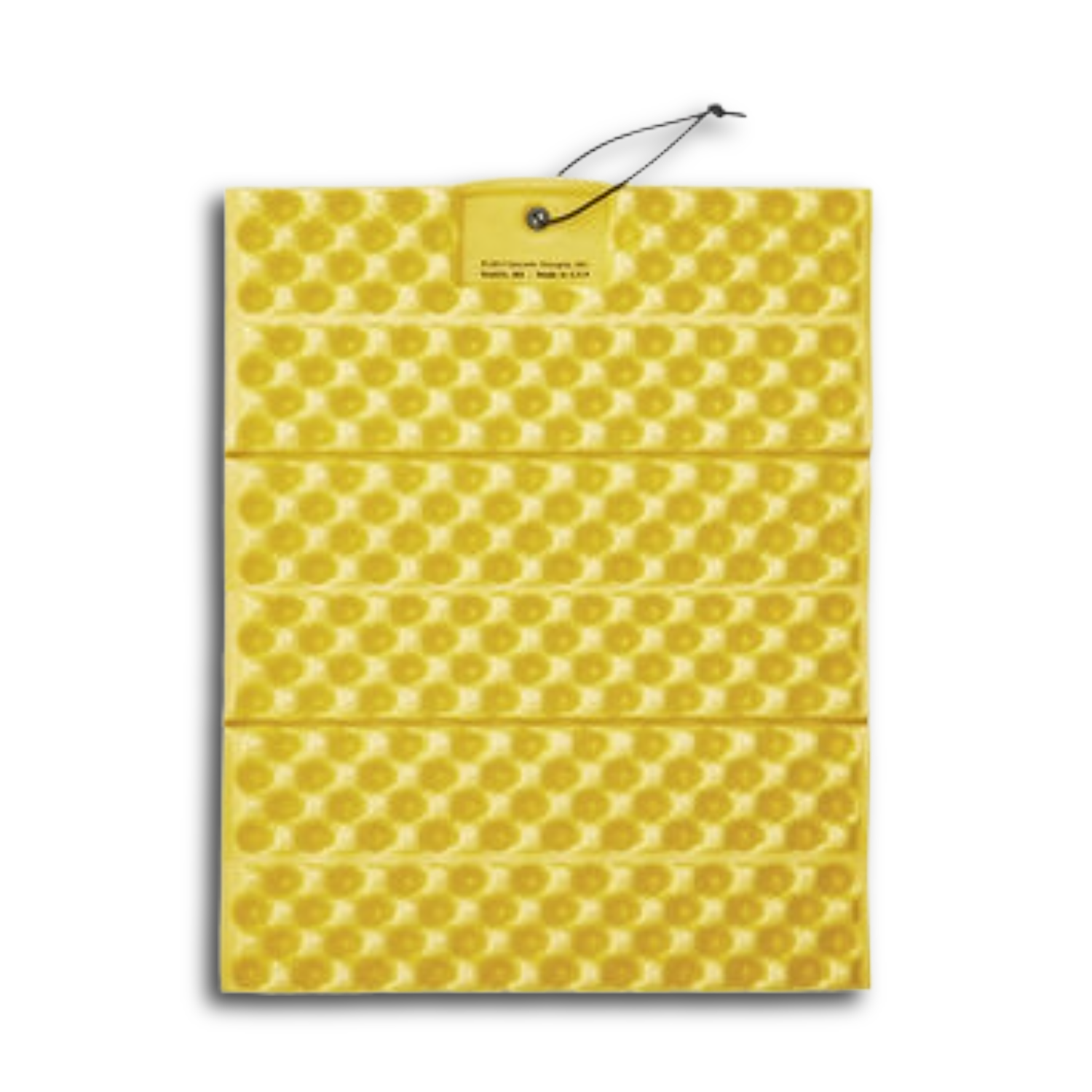
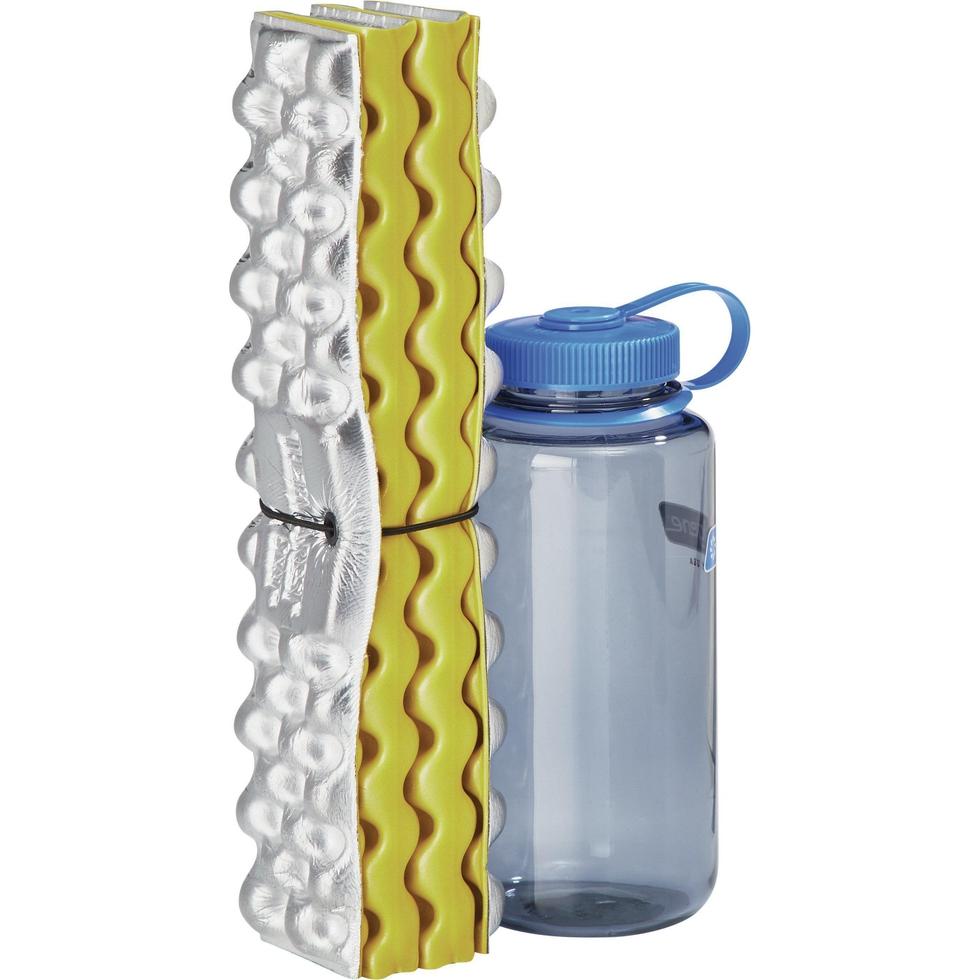
Z Seat
Sale price$33.95 USD
3 colors available
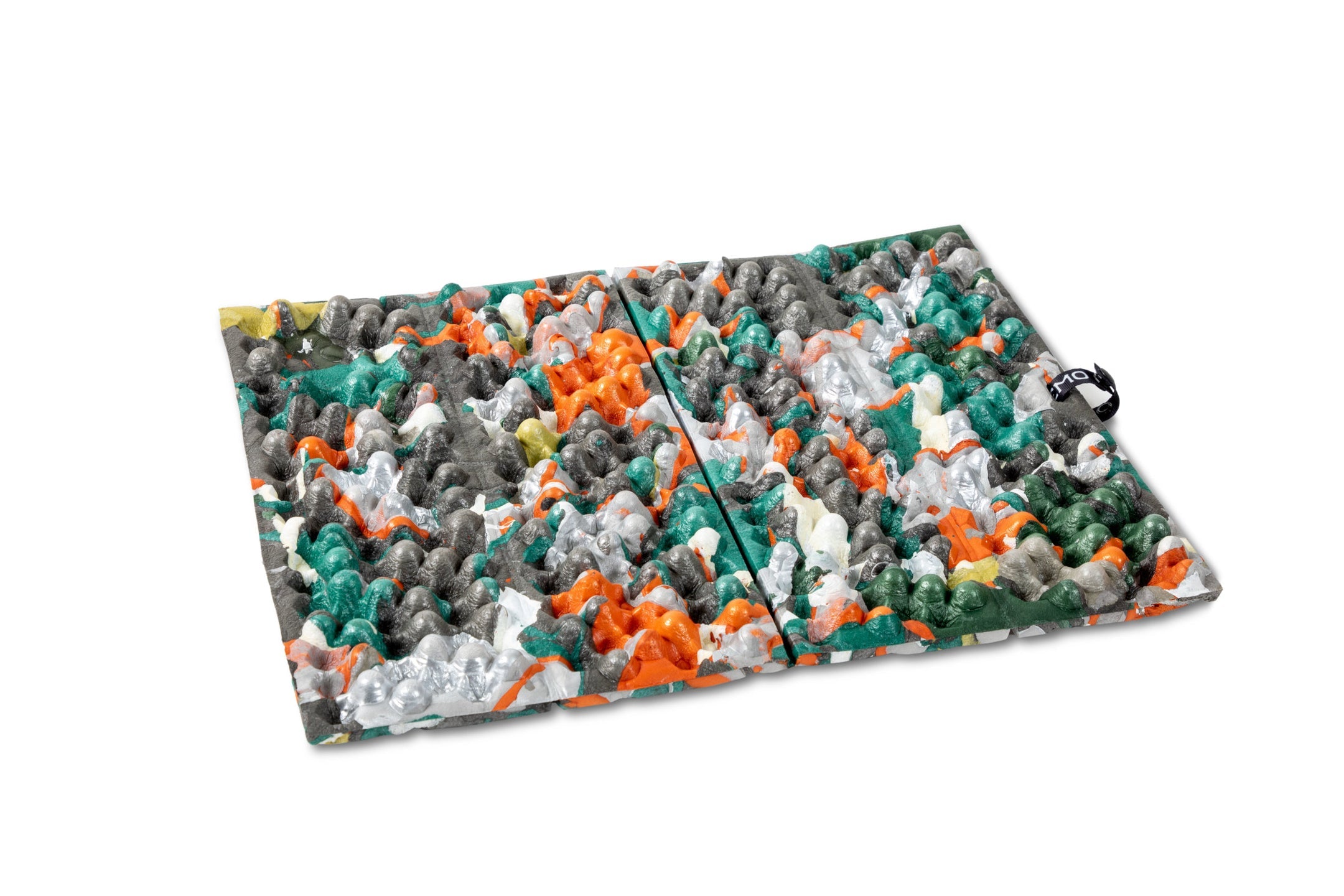
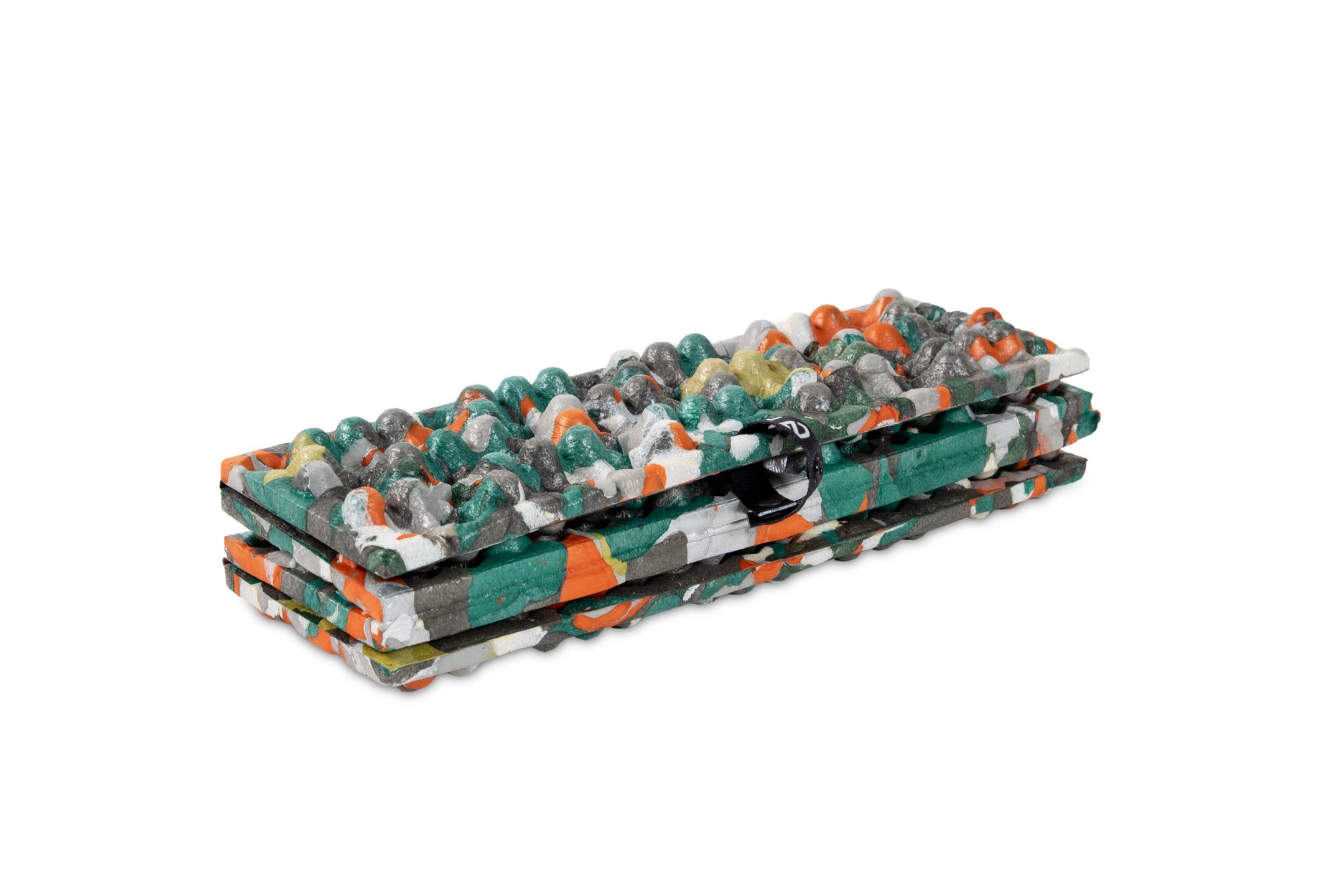
Chipper Reclaimed Closed-Cell Foam Seat
Sale price$19.95 USD
