



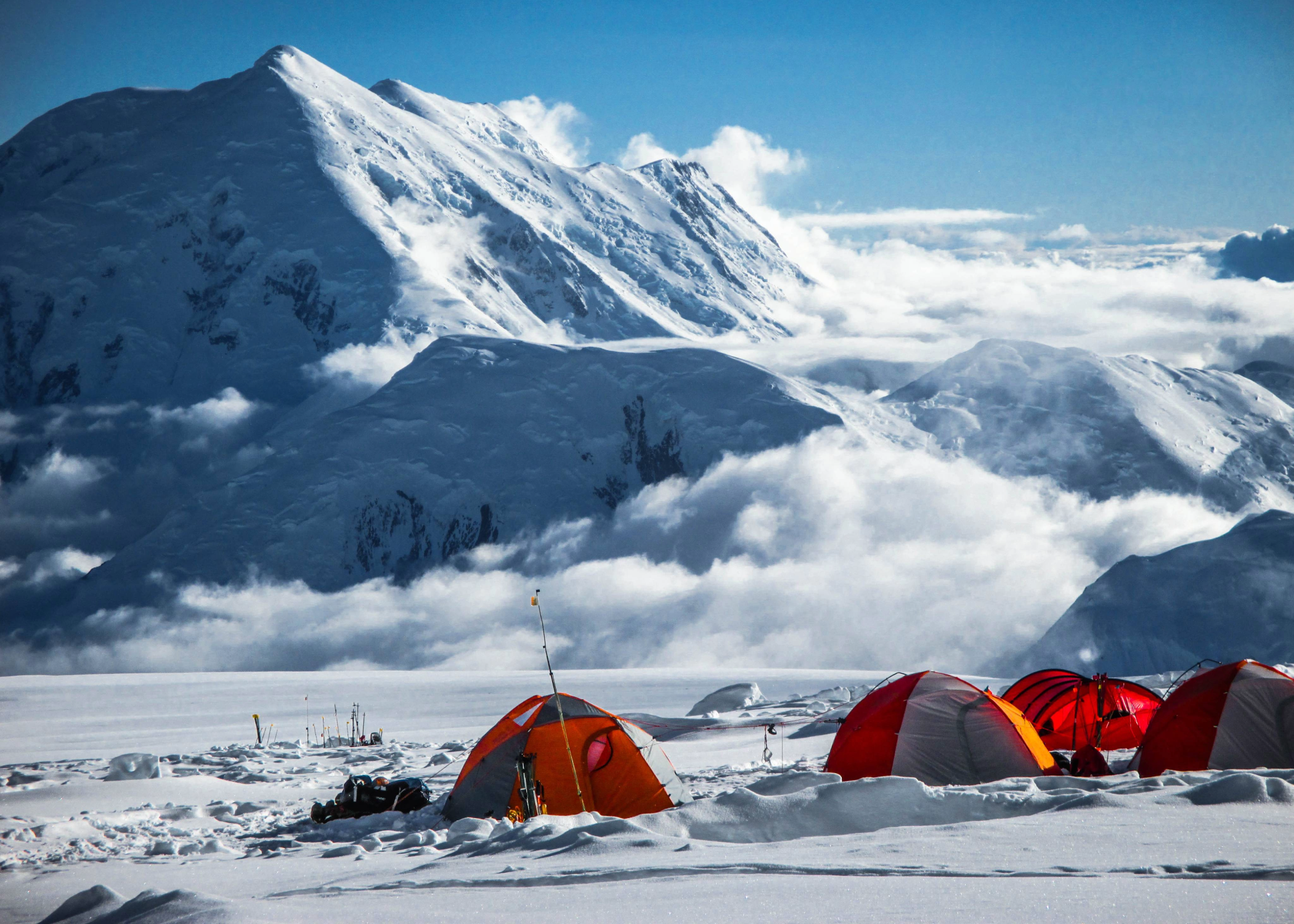
Tent's & Shelters
From minimalist bivy sacks to four-season mountaineering tents, this collection is built to keep you dry, anchored, and out of the wind when the weather turns. Whether you're riding out a storm at high camp or crashing after a long approach, these shelters strike the balance between durability, weight, and fast setup. Trusted by mountain travelers who need their gear to work — even when the forecast doesn’t.
Field Tested · Guide Endorsed
Guide Picks
Skip the browsing — pick from the cream of the crop. Like our tagline says, we simplify outfitting.
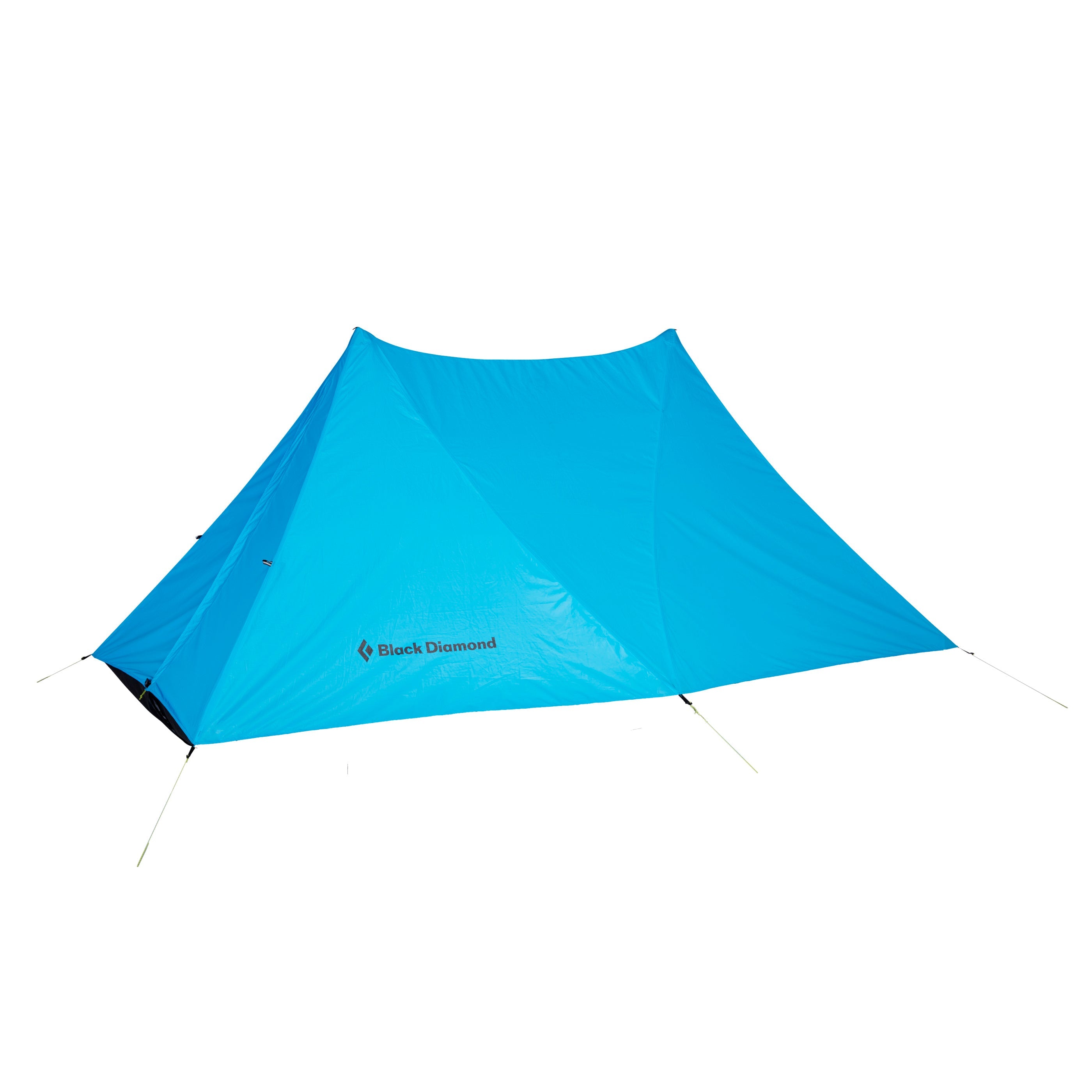
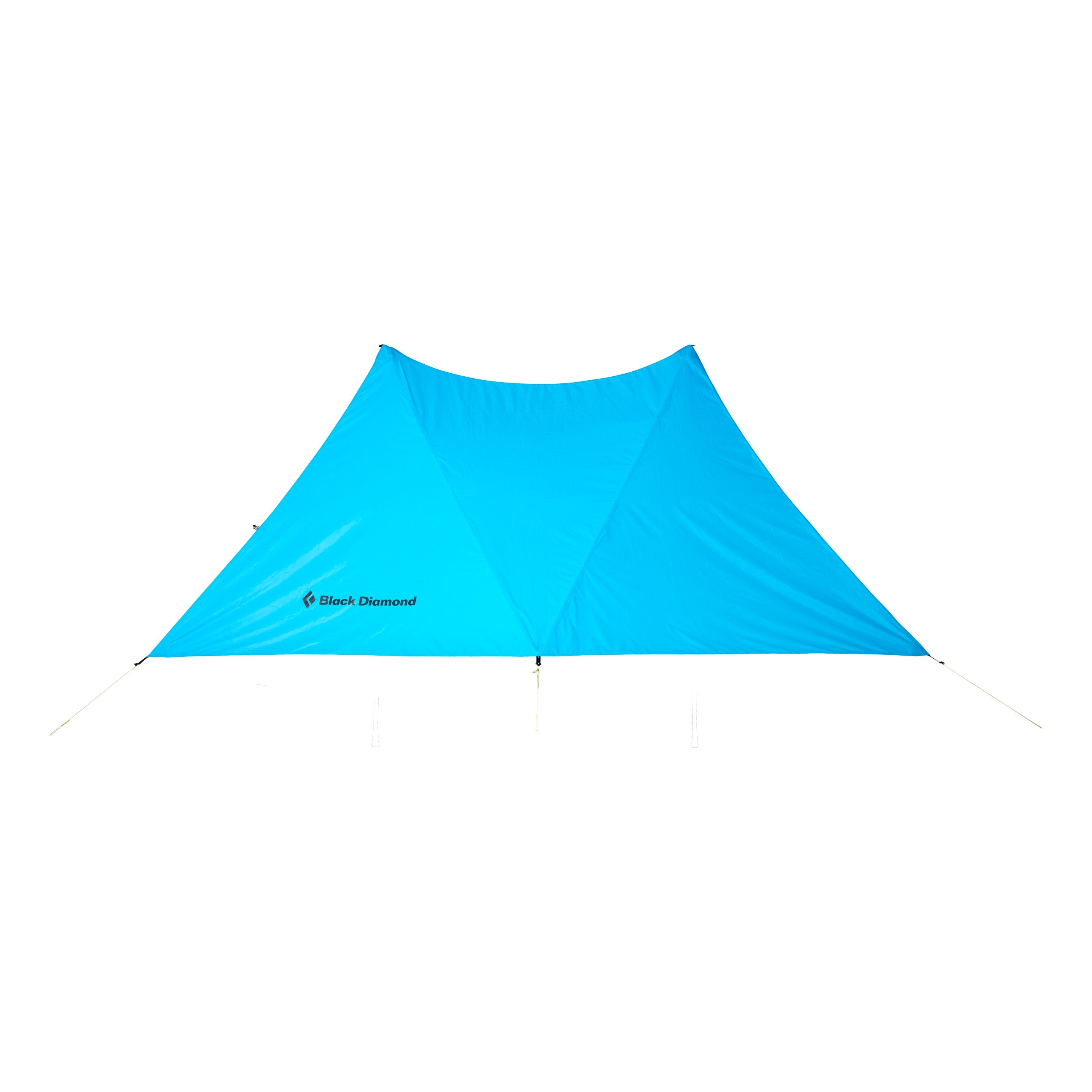
Beta Light 2P Tent
Sale price$369.95 USD
1 color available
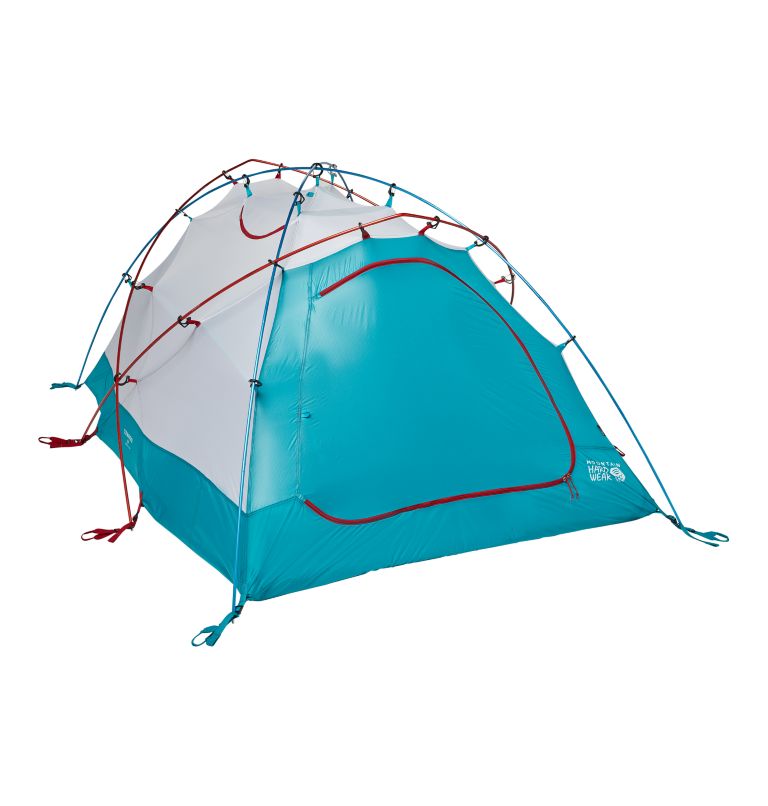
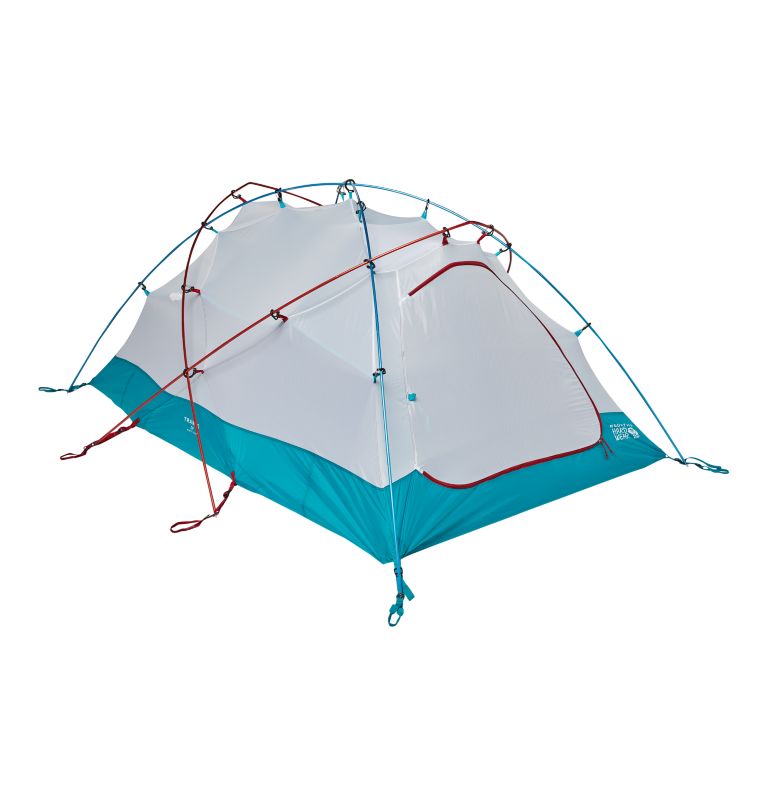

Trango 2 Tent
Sale price$950.00 USD
1 color available
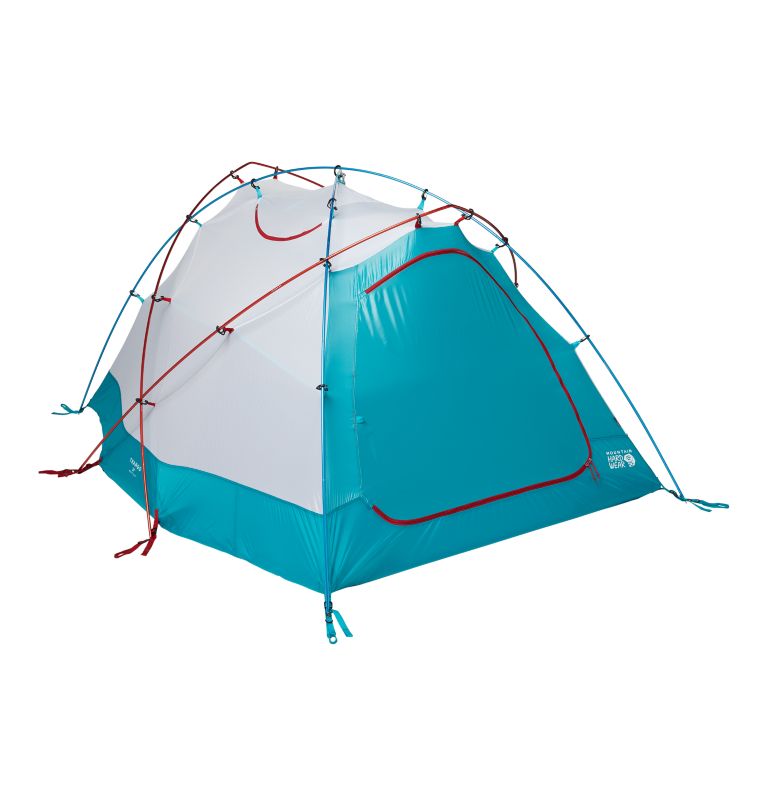
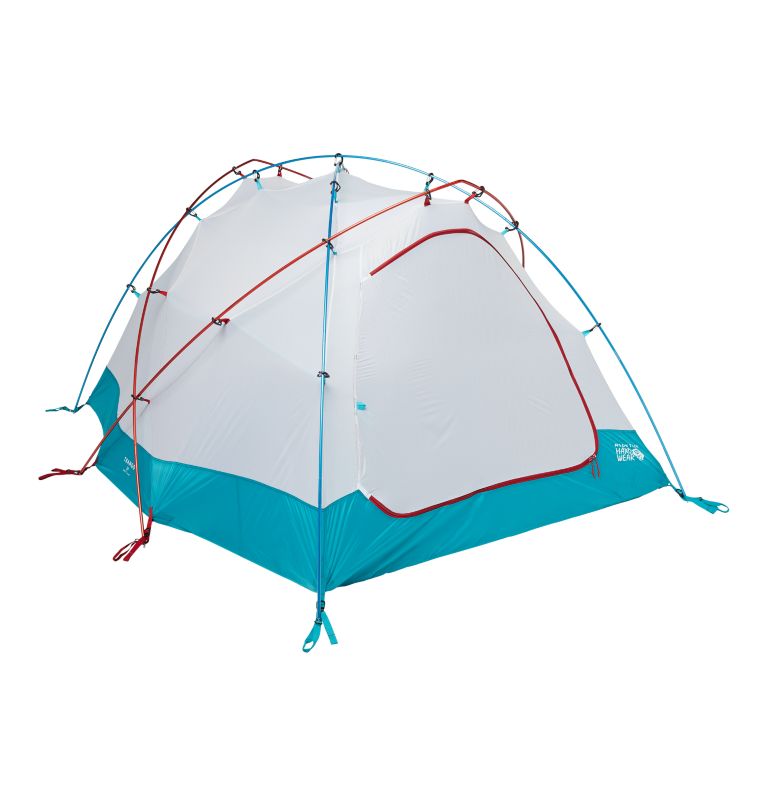
Trango 3 Tent
Sale price$1,050.00 USD
1 color available
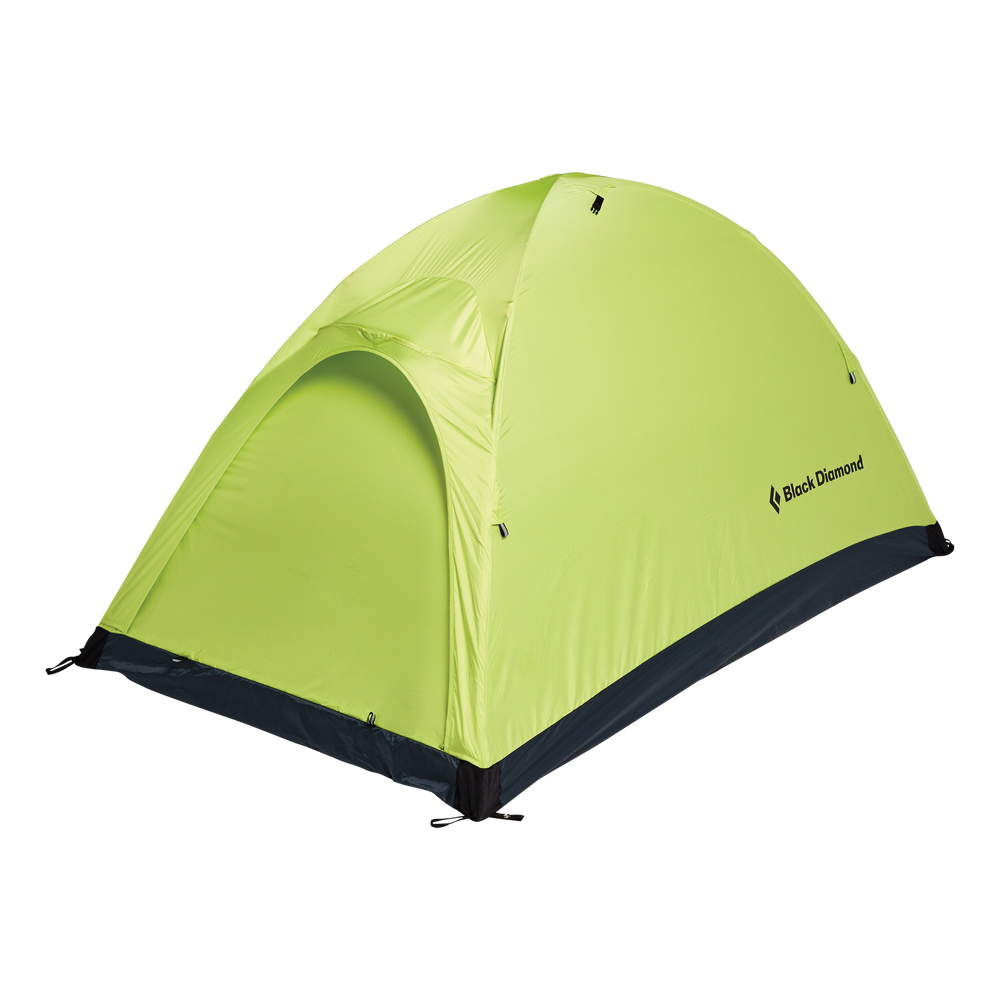
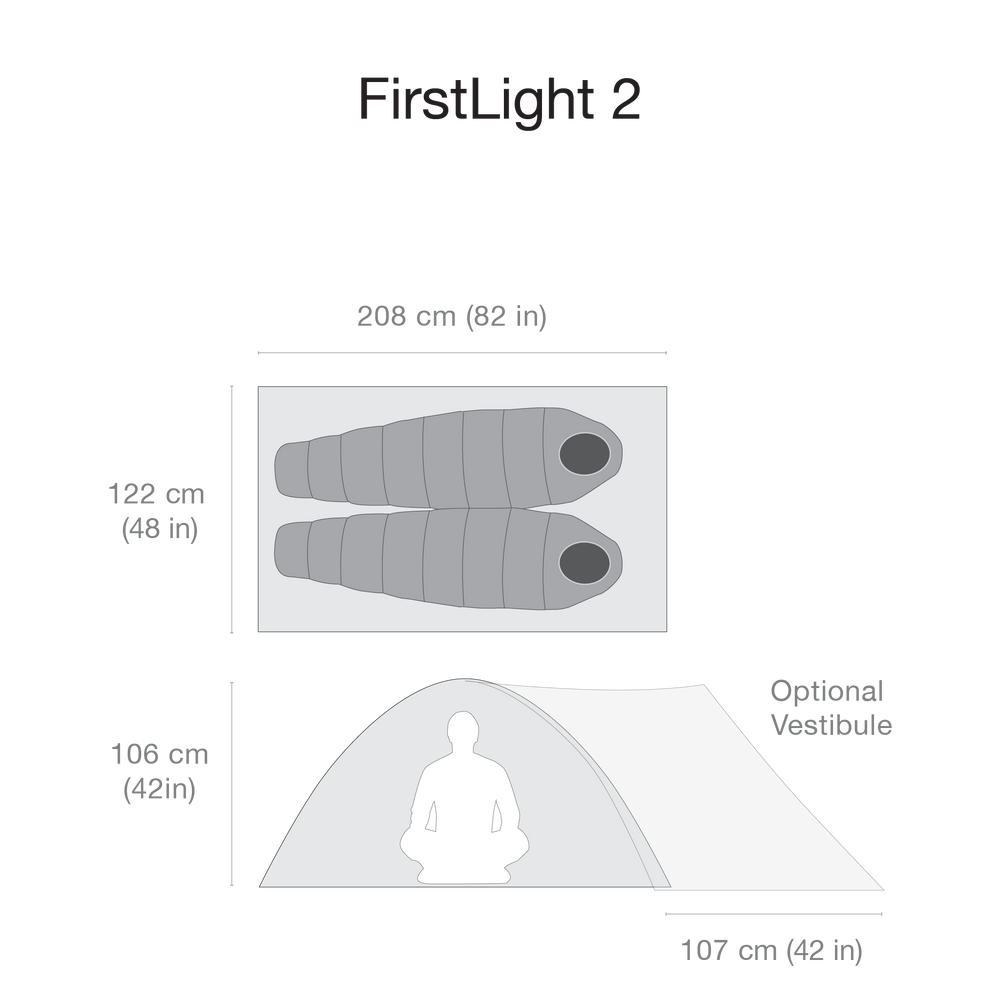
FirstLight 2P Tent
Sale price$549.95 USD
Filters
10 products
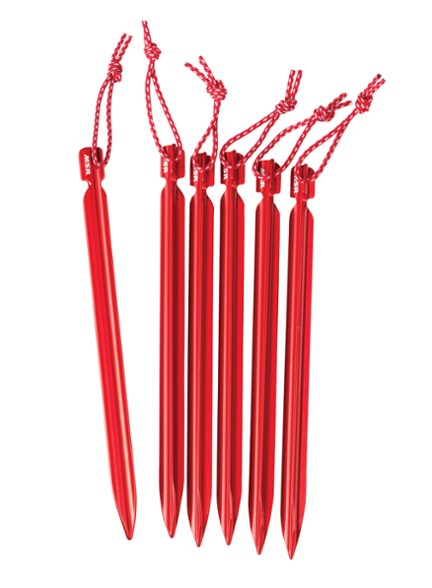
Mini Groundhog Stake Kit v2
Sale price$34.95 USD
FirstLight 2P Tent
Sale price$549.95 USD
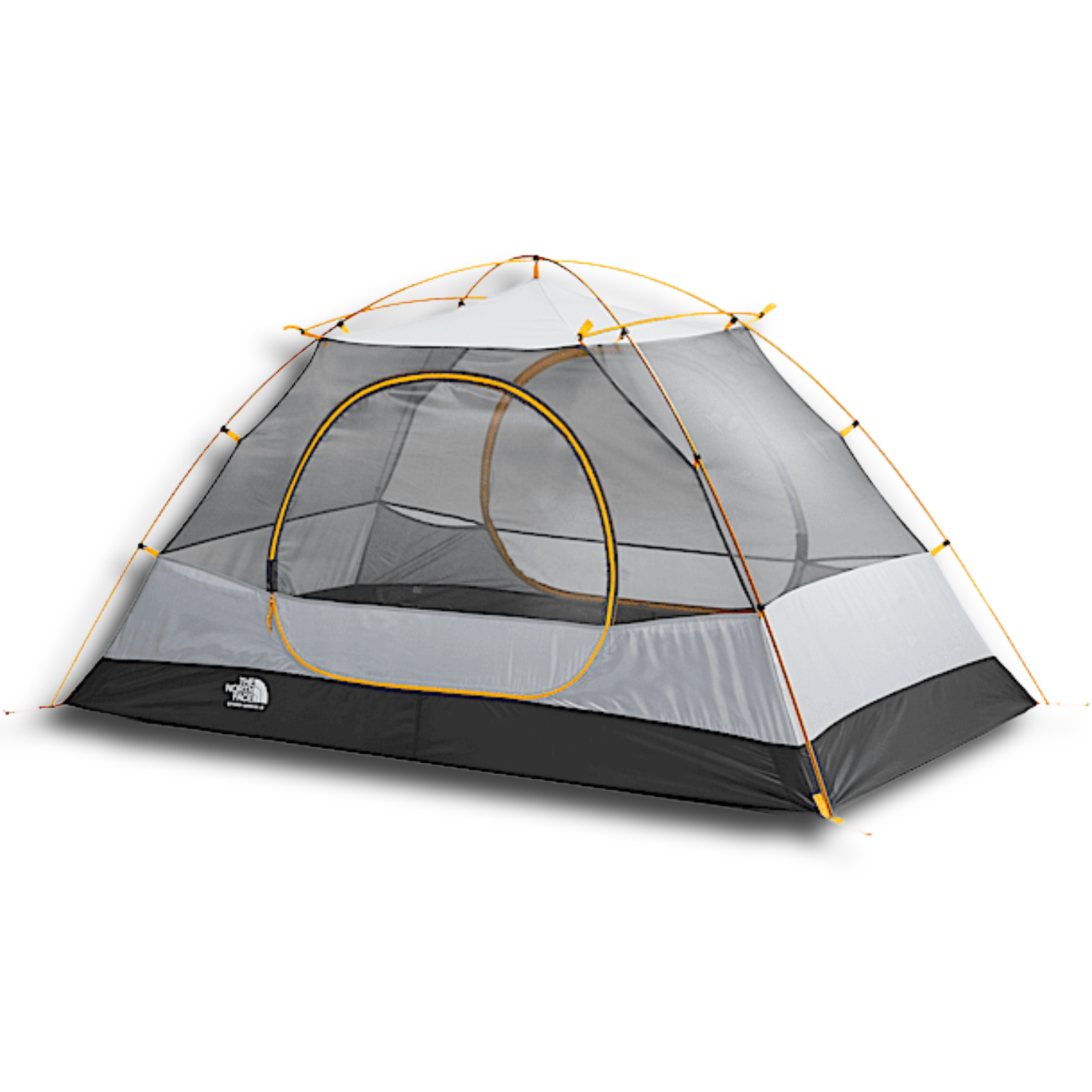
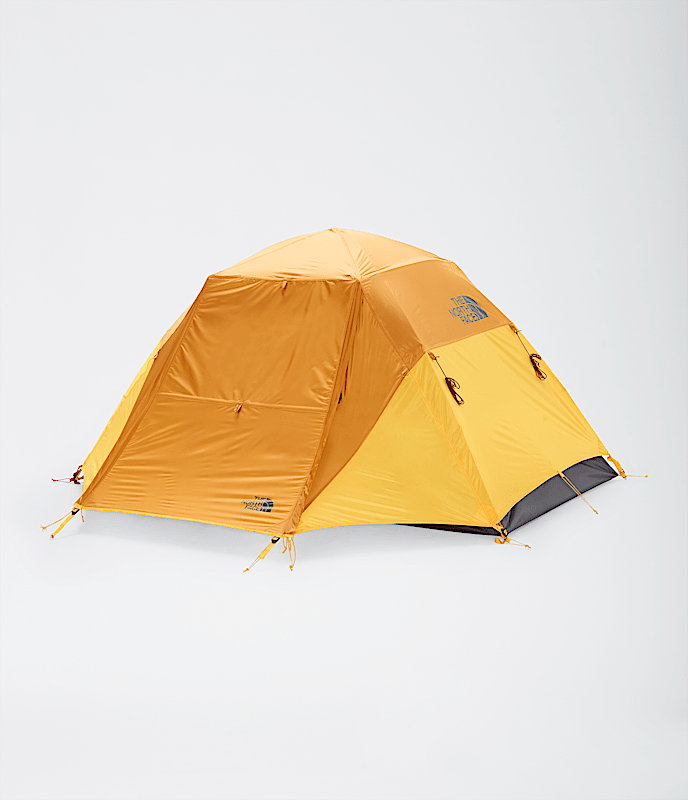
Stormbreak 2 Tent
Sale price$220.00 USD
1 color available
Trango 3 Tent
Sale price$1,050.00 USD
1 color available
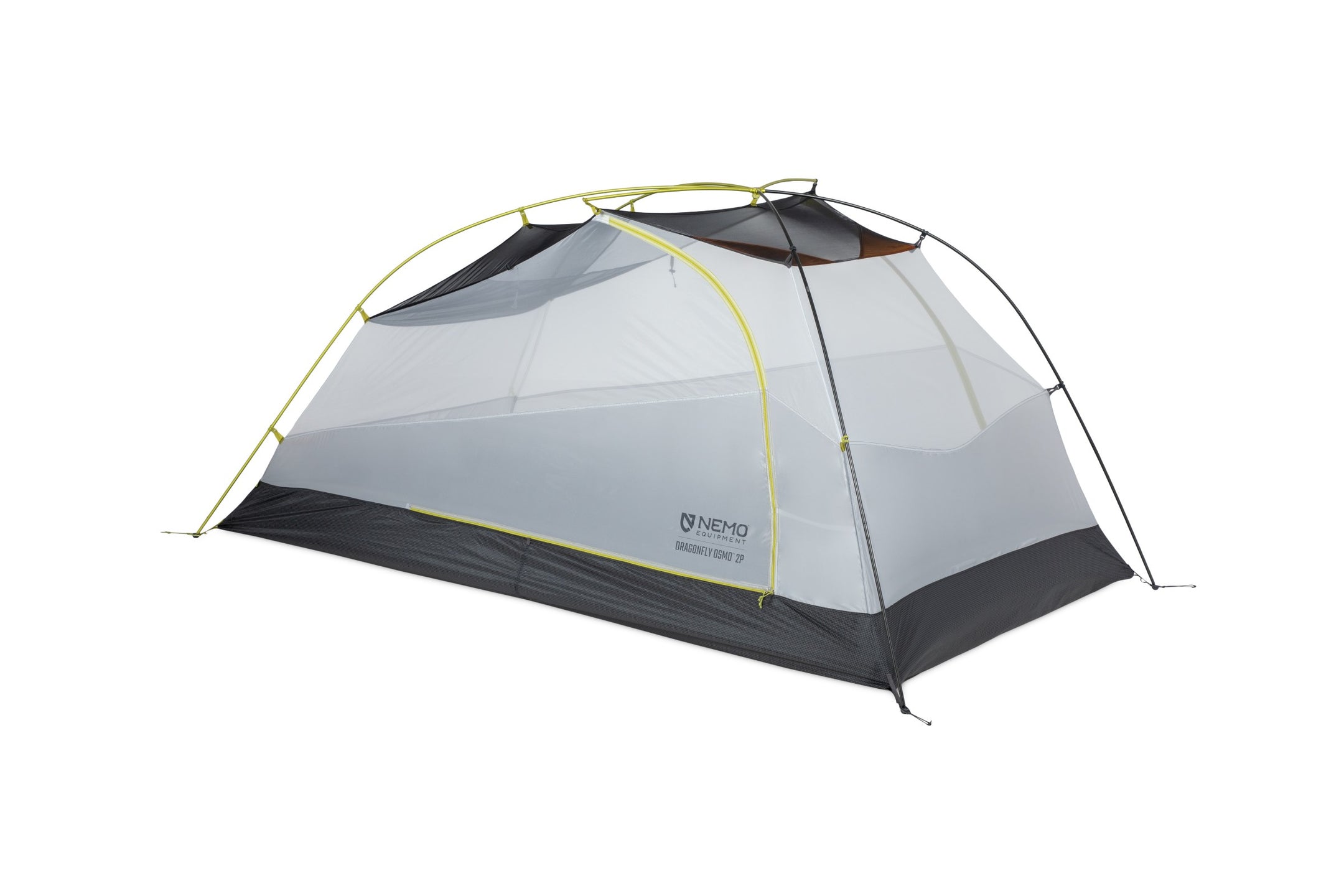

Dragonfly OSMO 2P Tent
Sale price$549.95 USD
1 color available
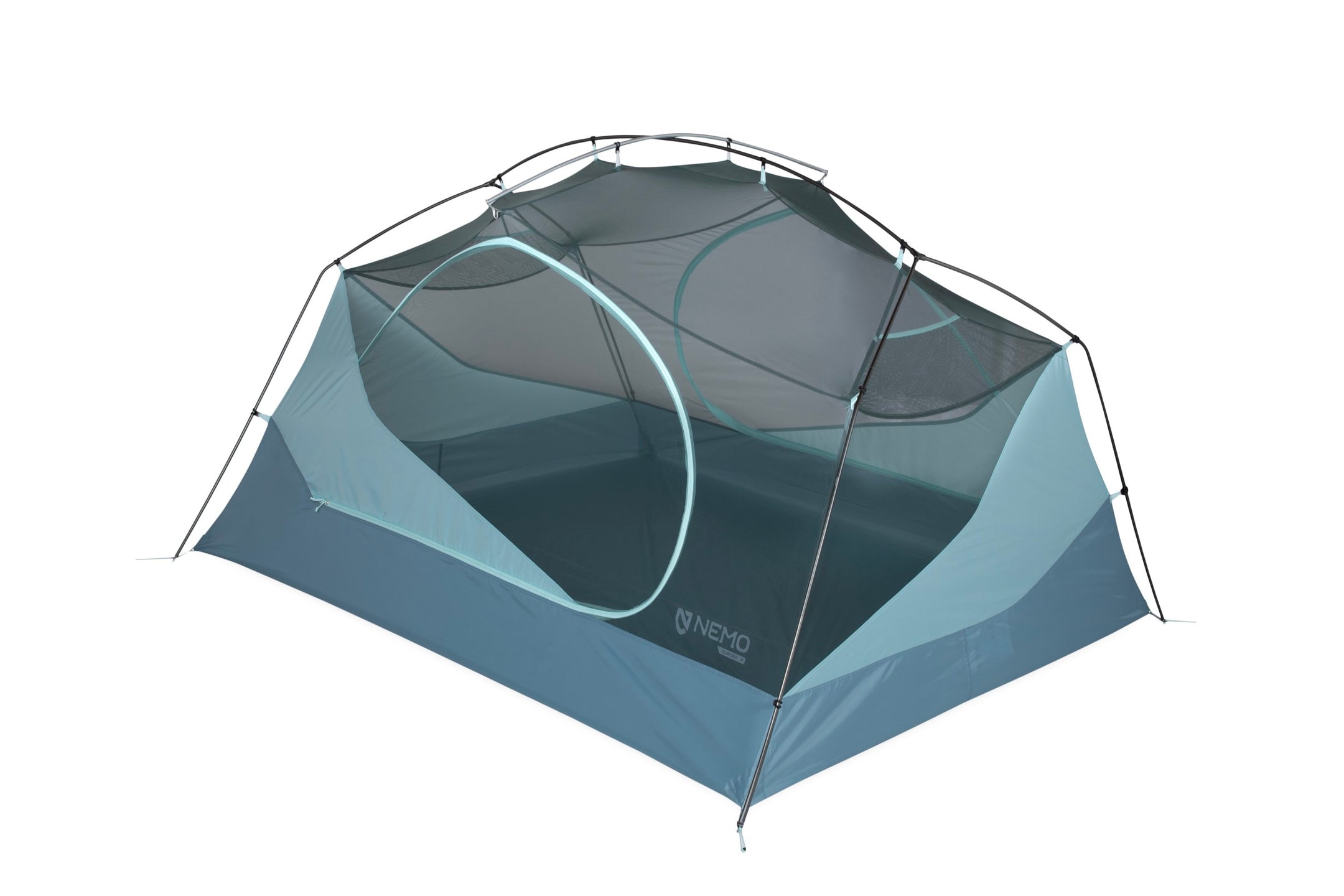
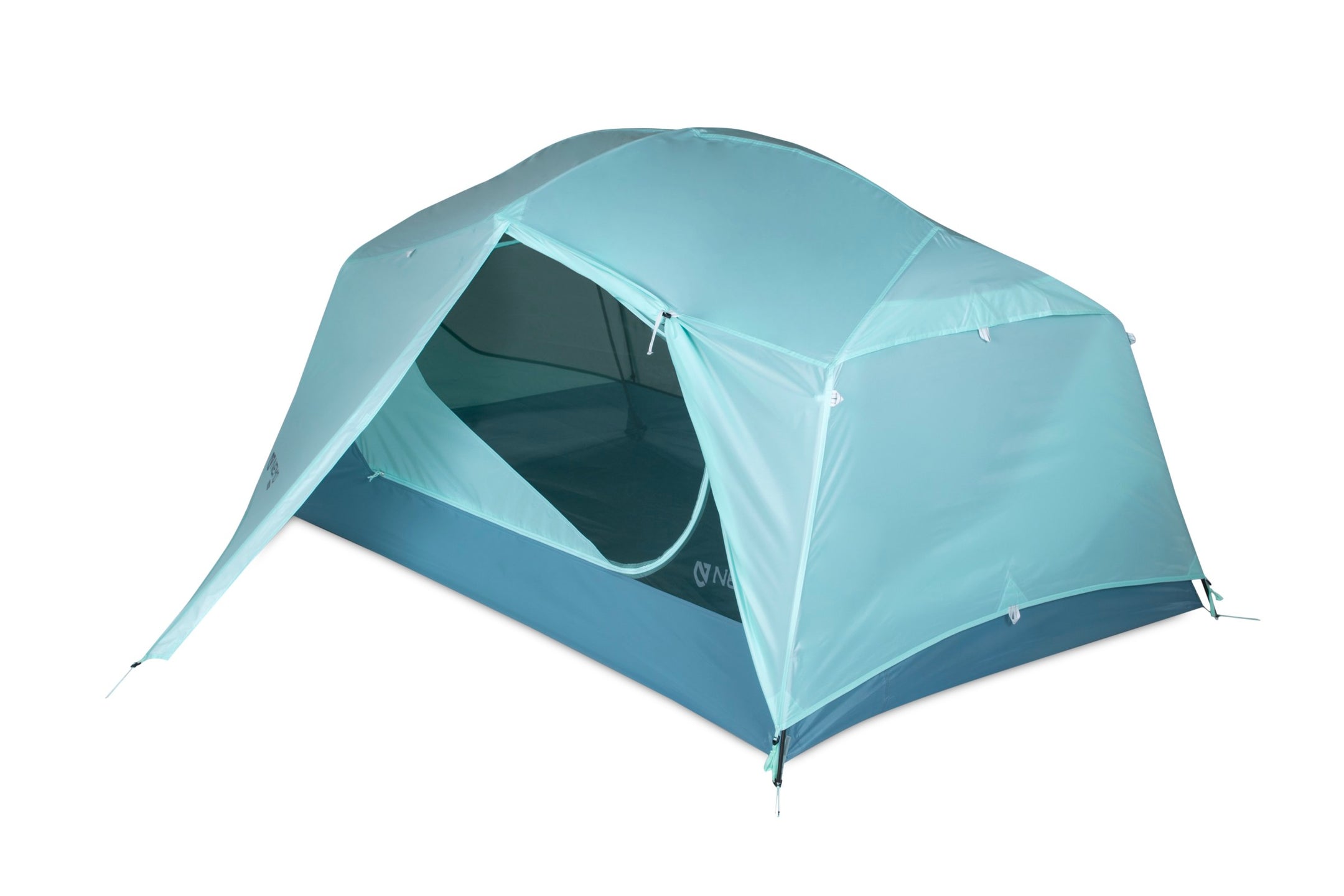
Aurora 2P Tent & Footprint
Sale price$299.95 USD
1 color available
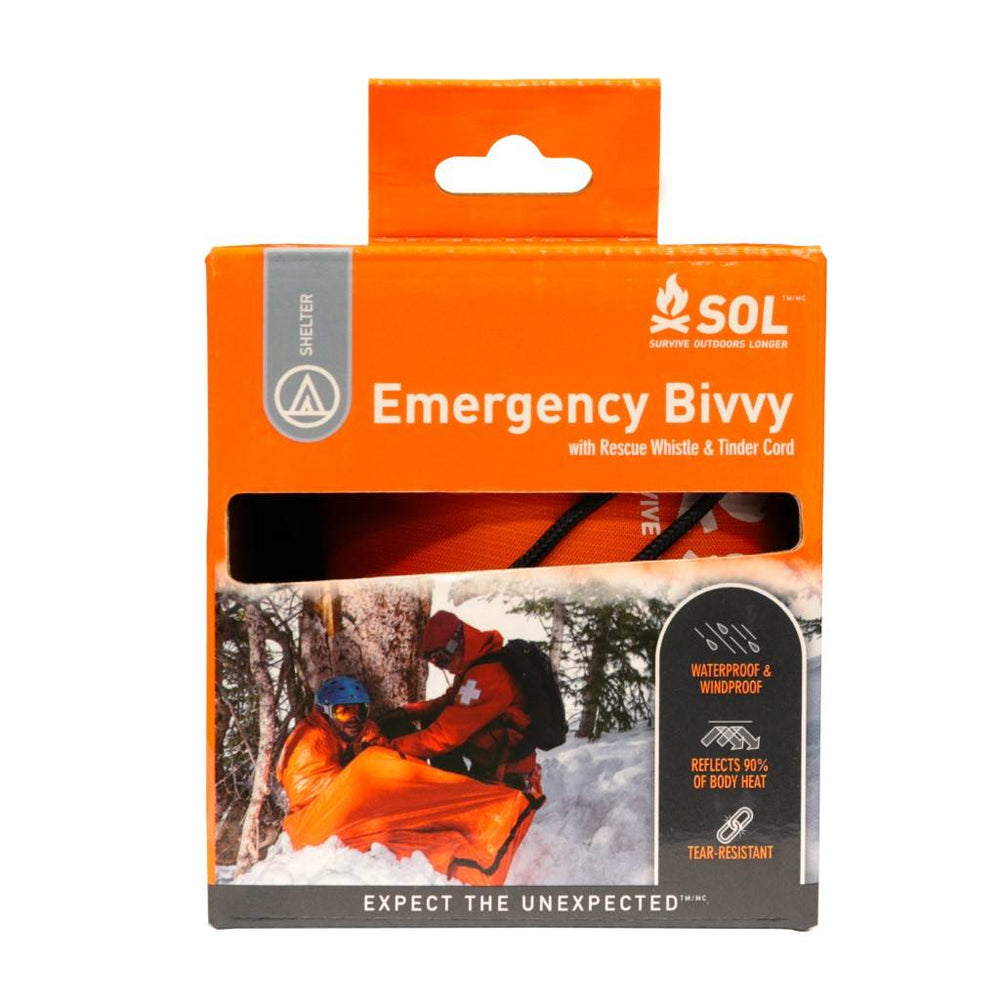
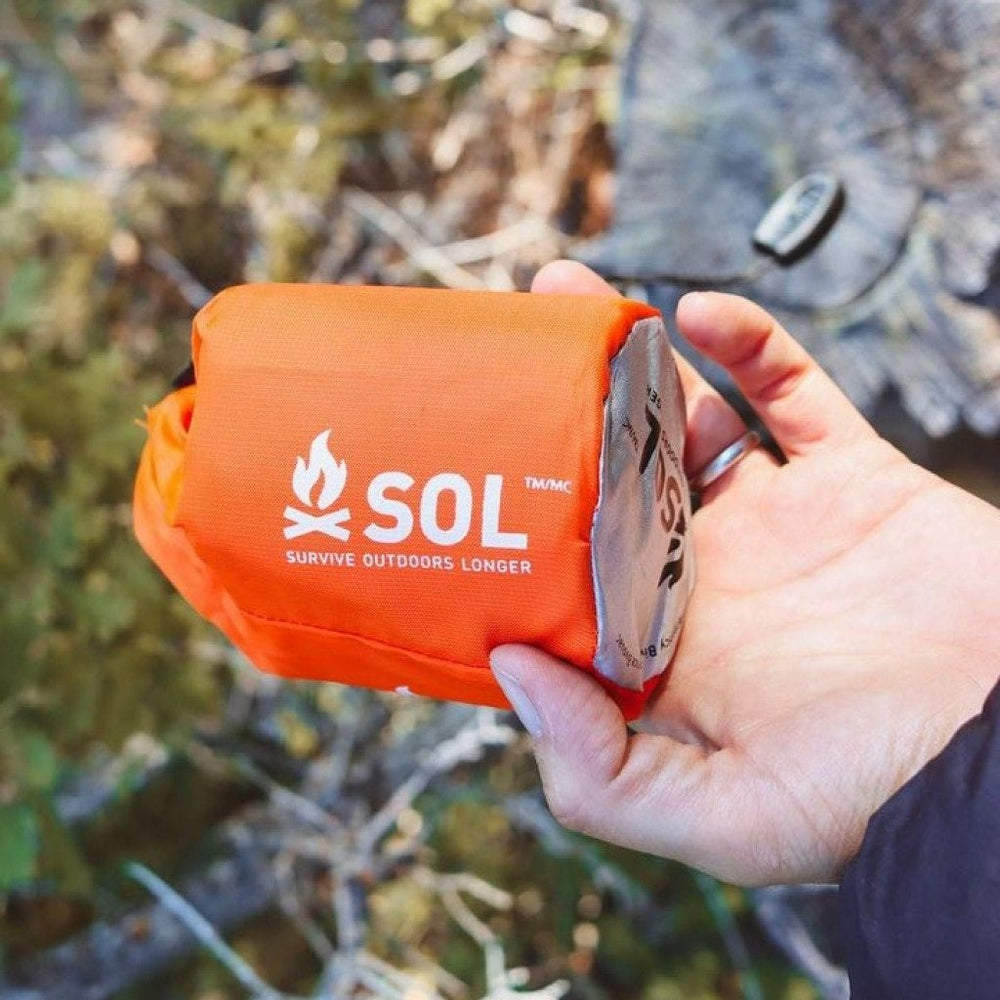
Emergency Bivvy w/ Rescue Whistle - Orange
Sale price$24.49 USD
Trango 2 Tent
Sale price$950.00 USD
1 color available
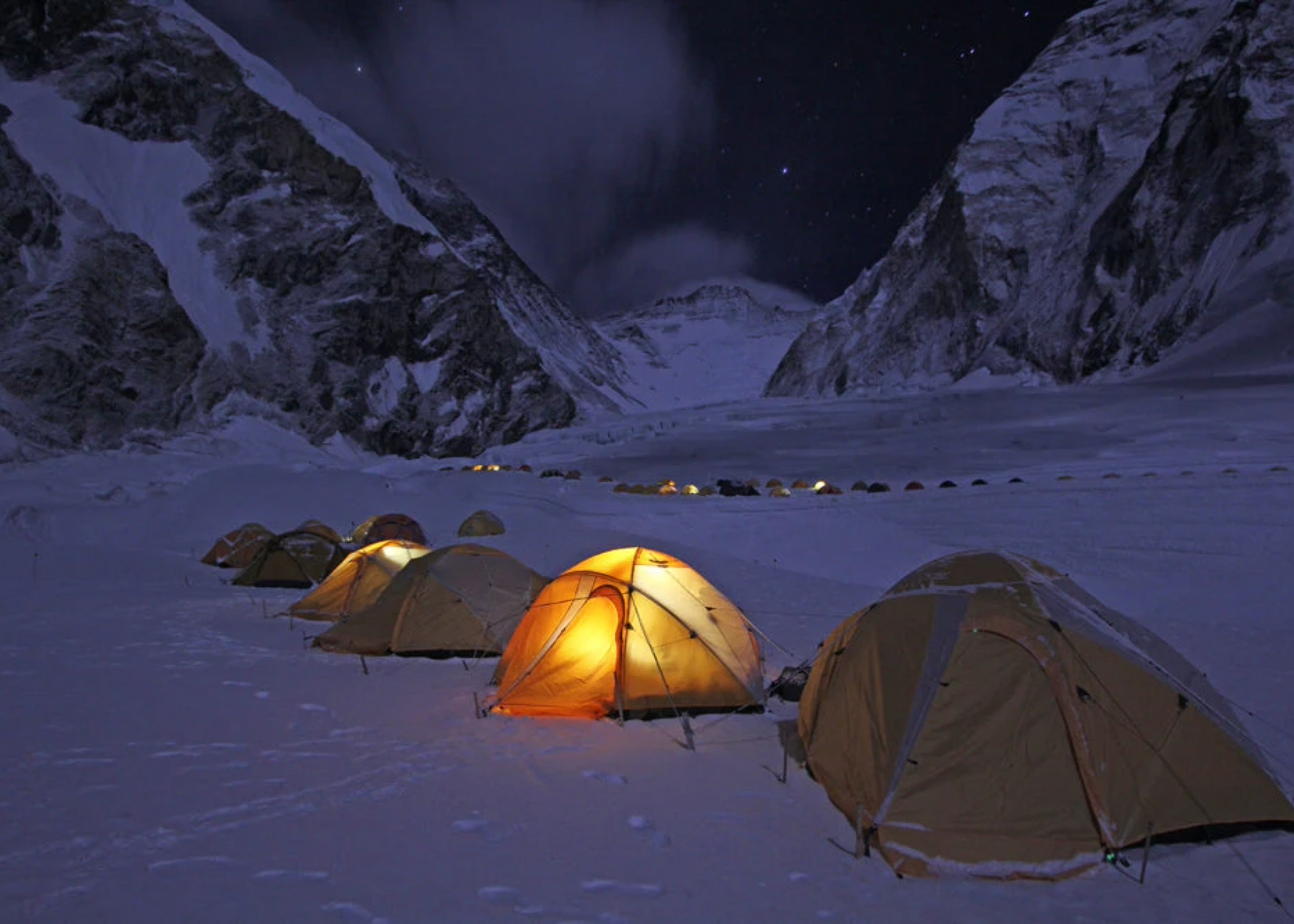
Beta Light 2P Tent
Sale price$369.95 USD
1 color available
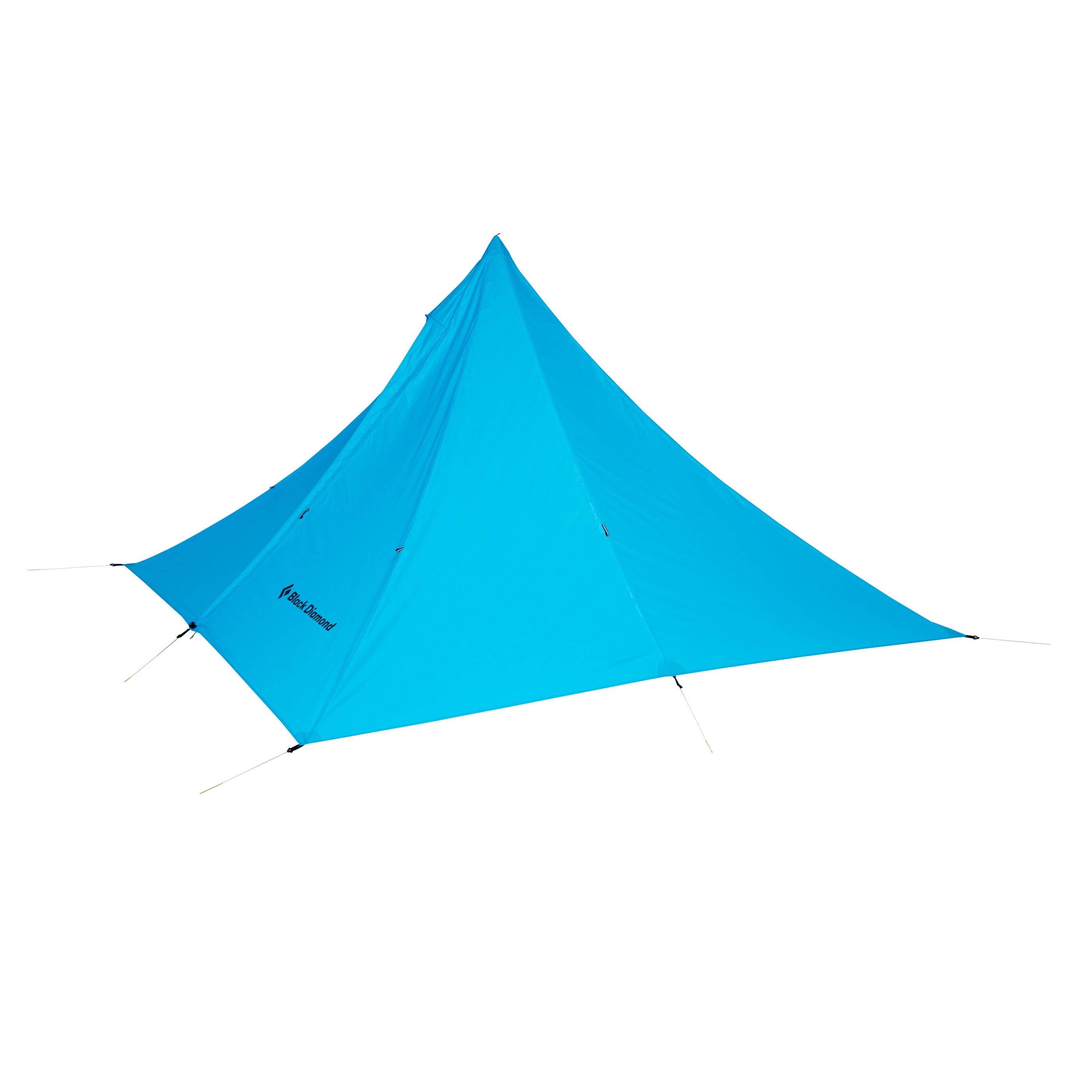
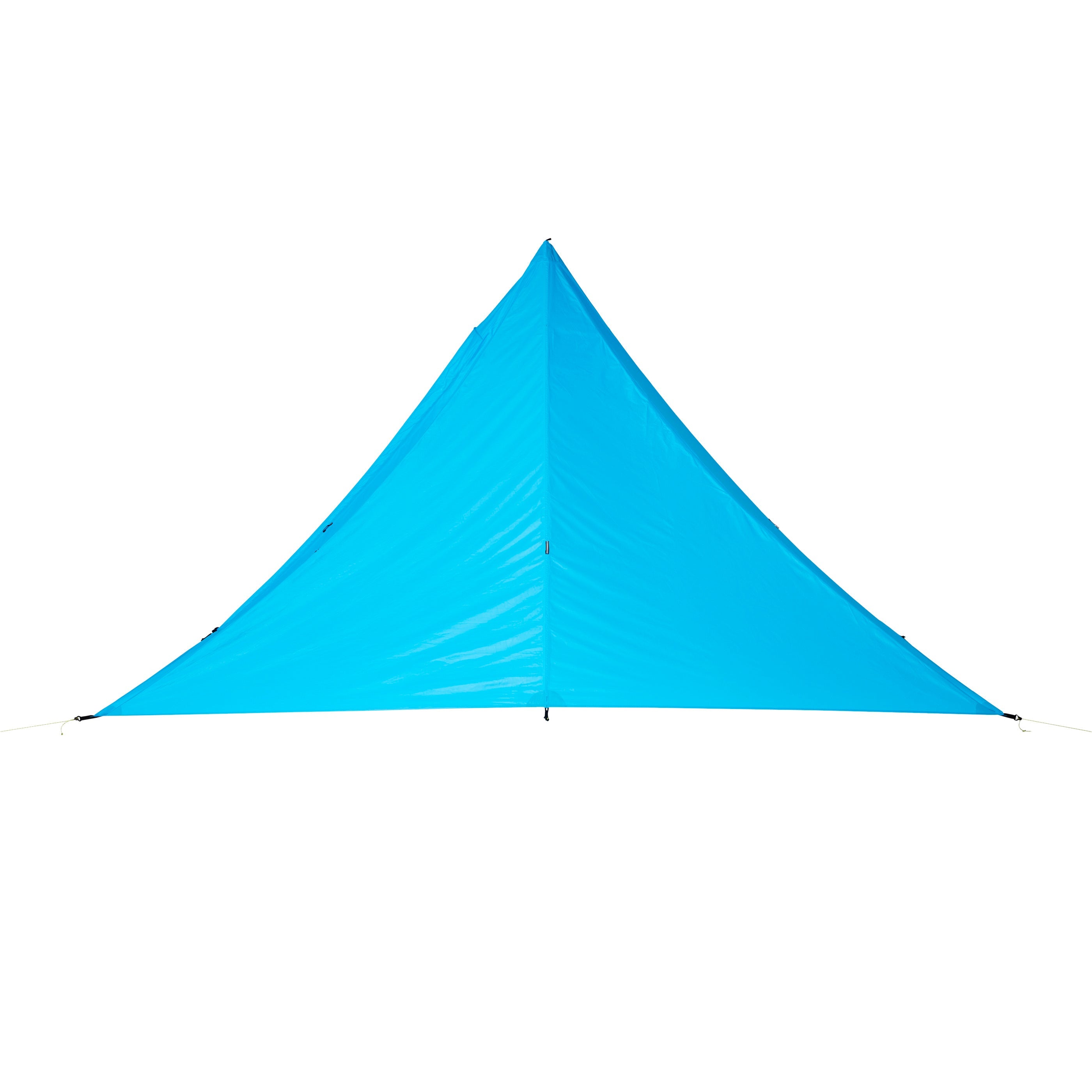
Mega Light 4P Tent
Sale price$499.95 USD
1 color available
