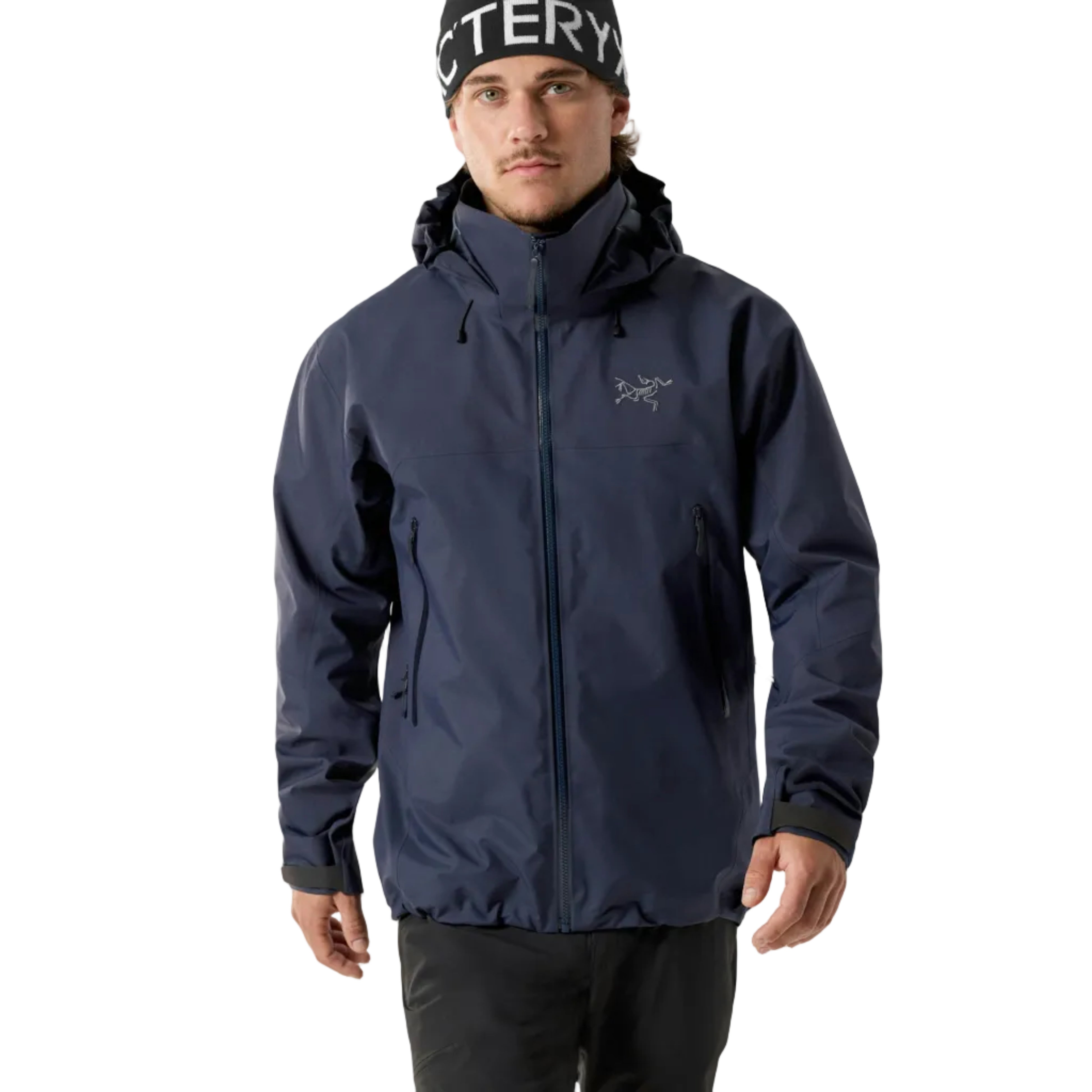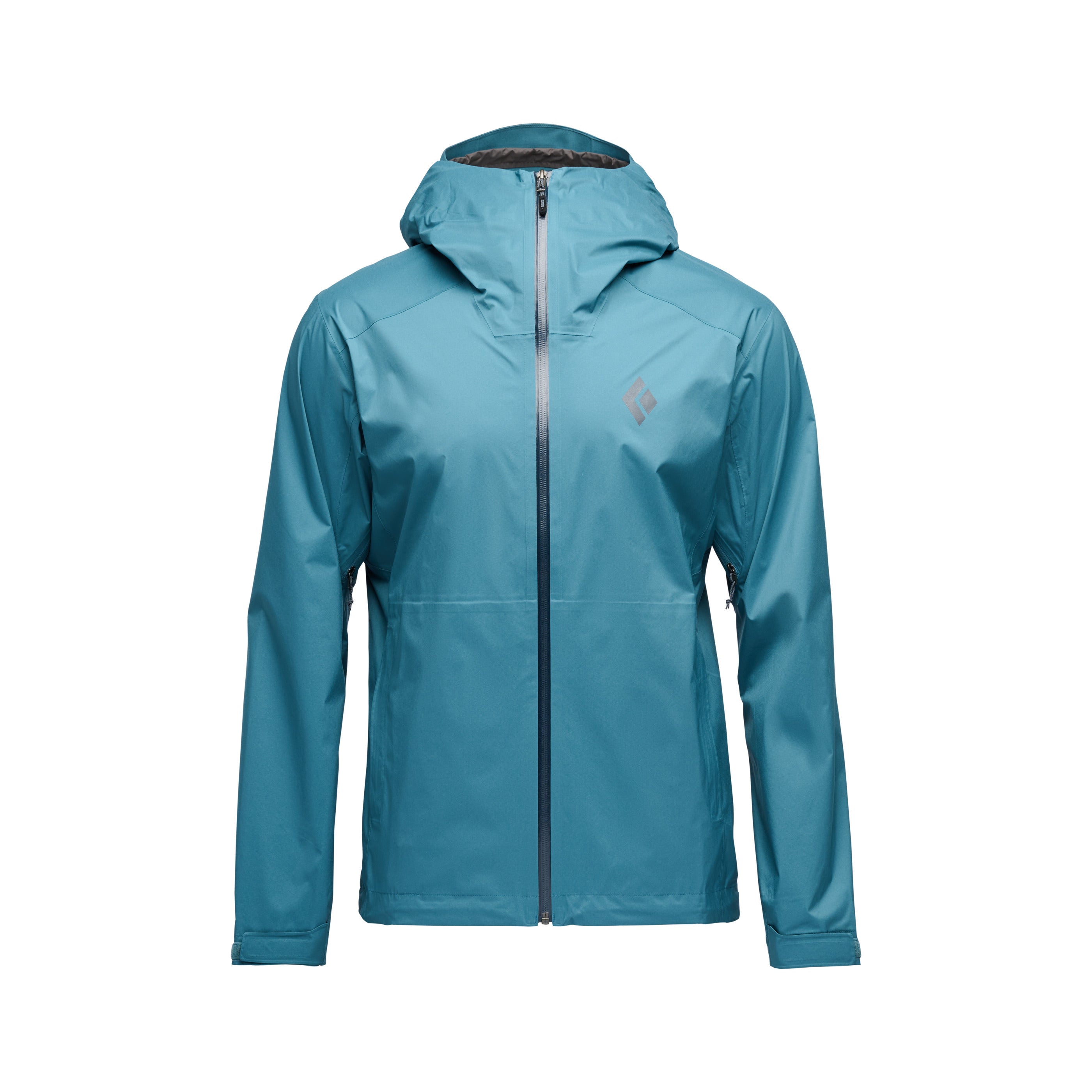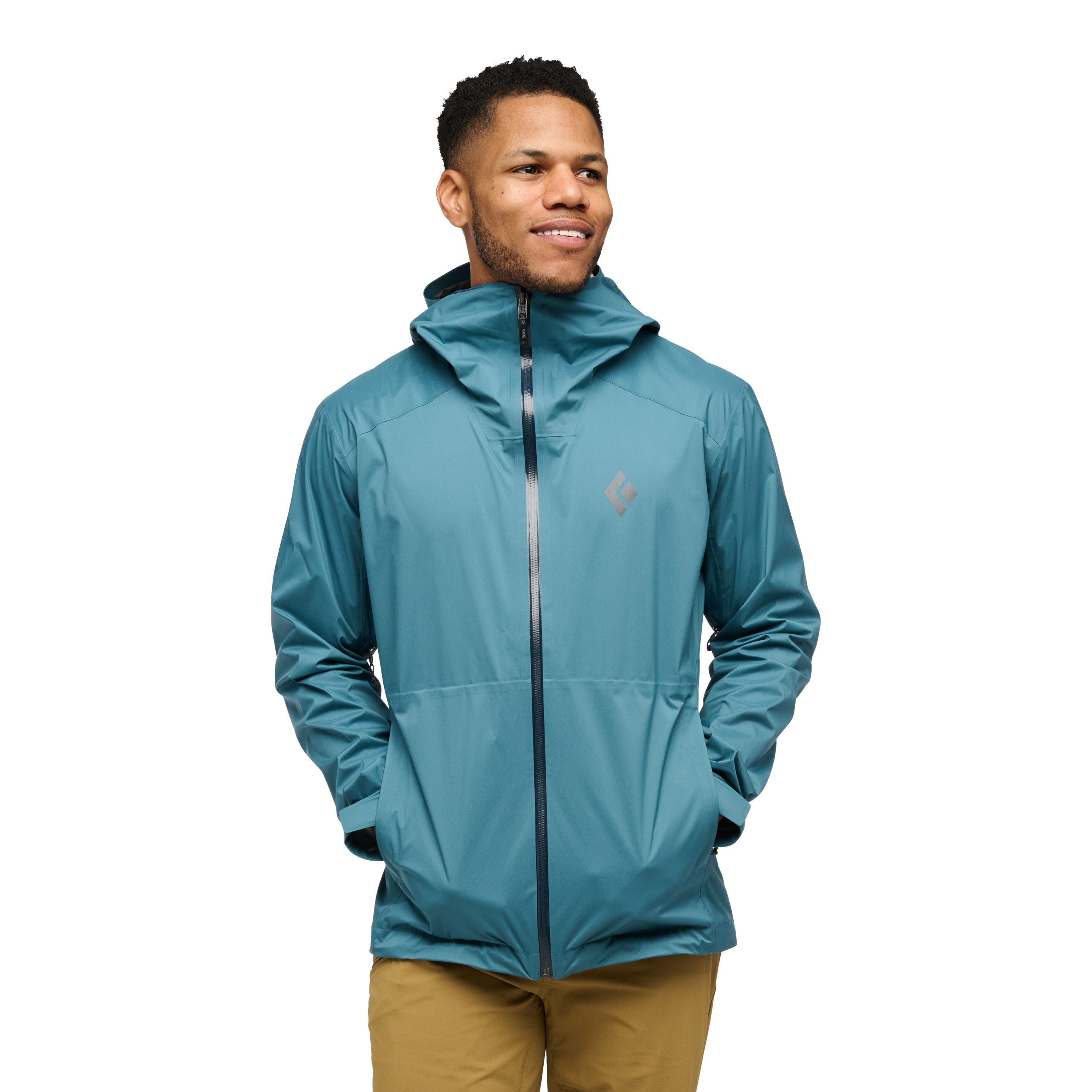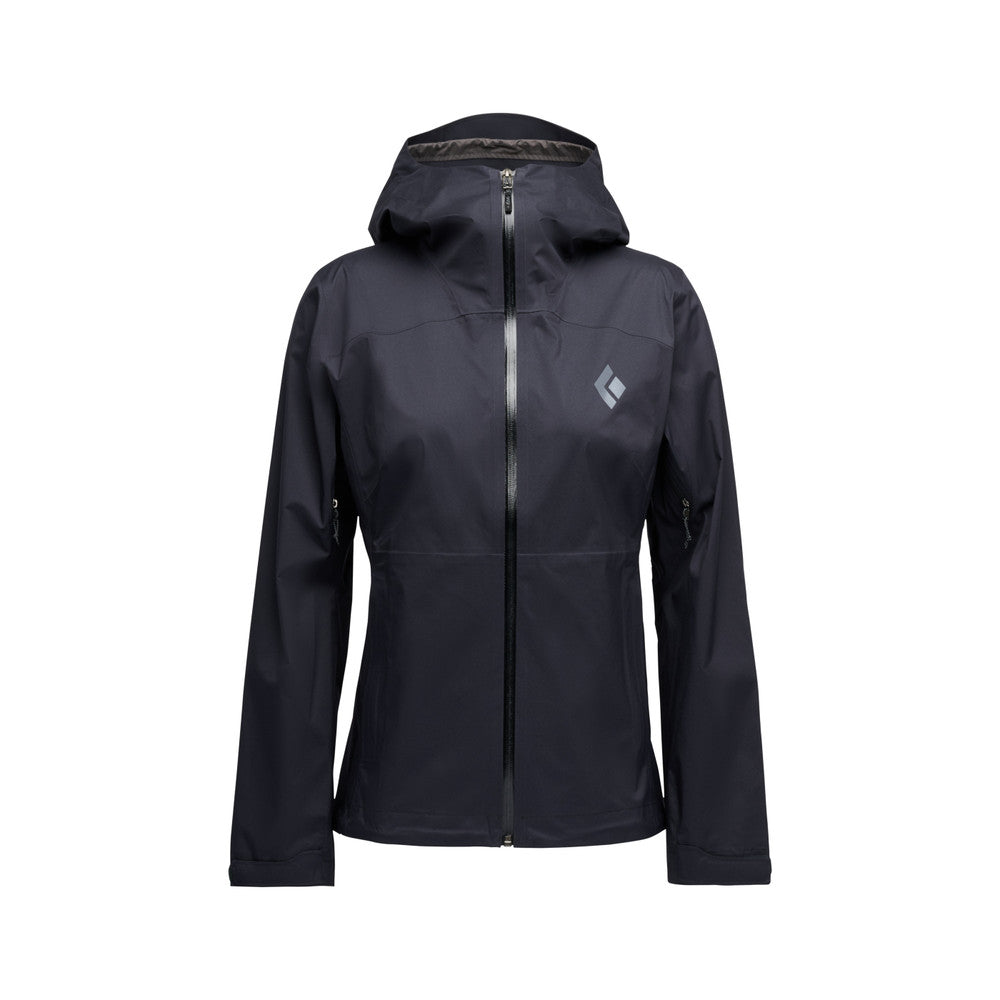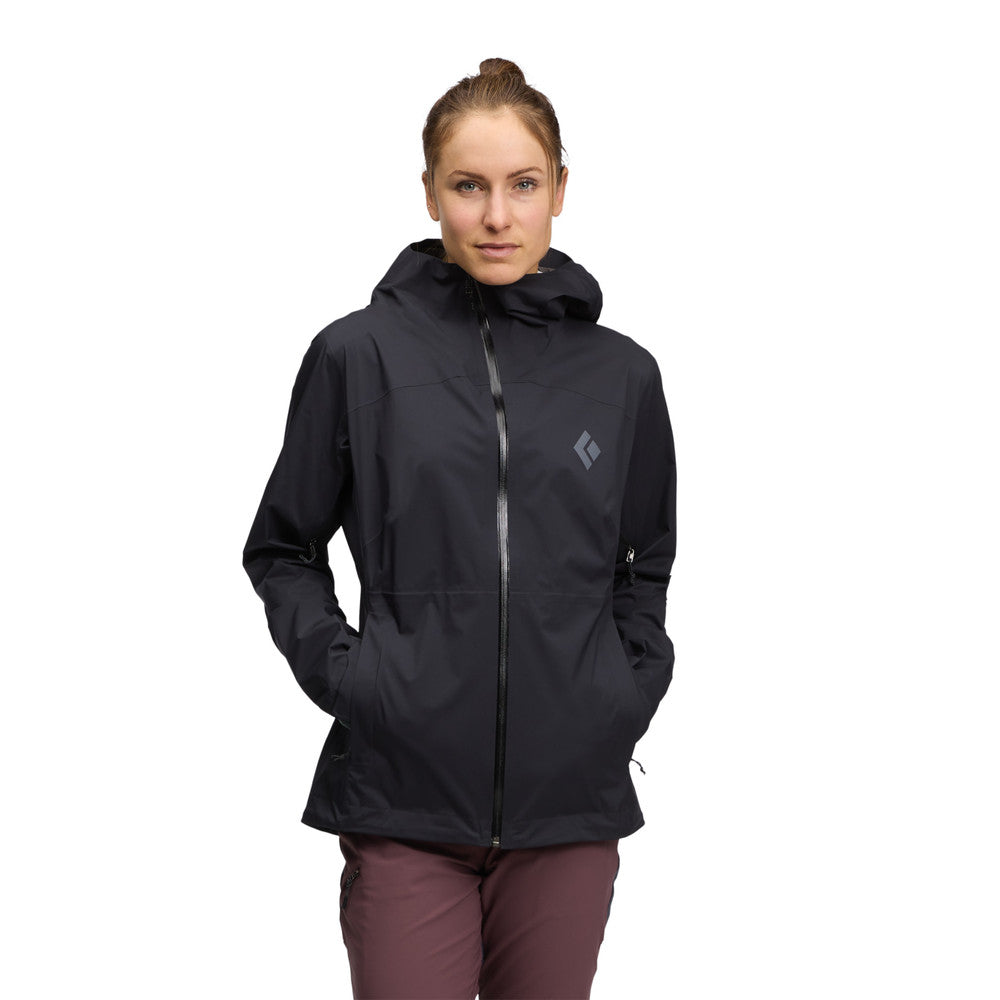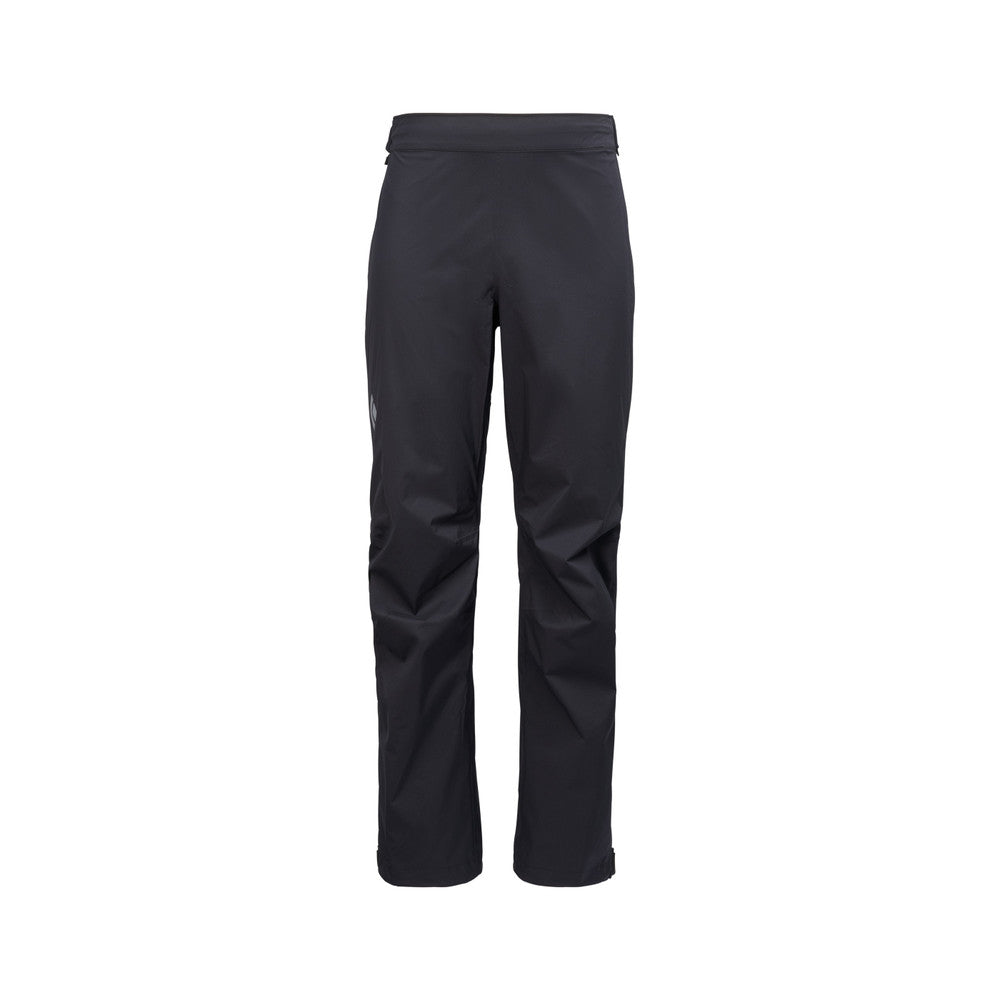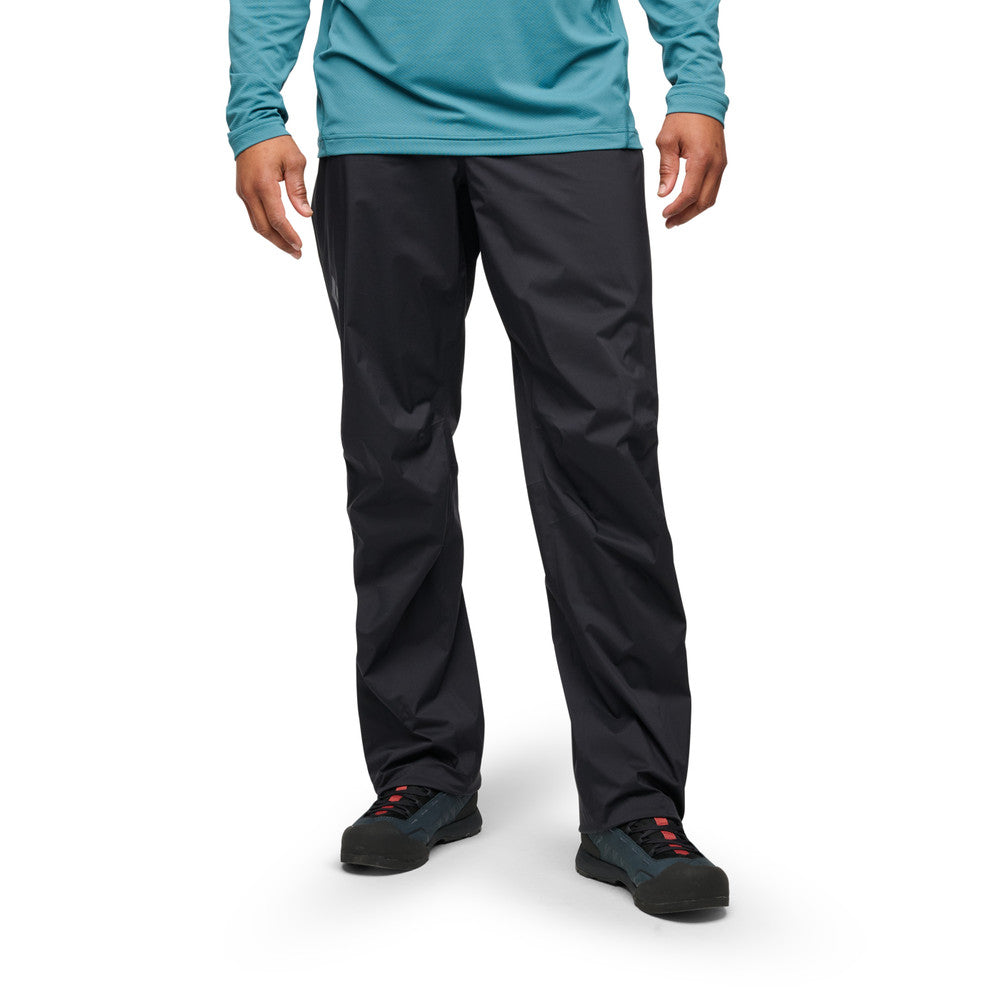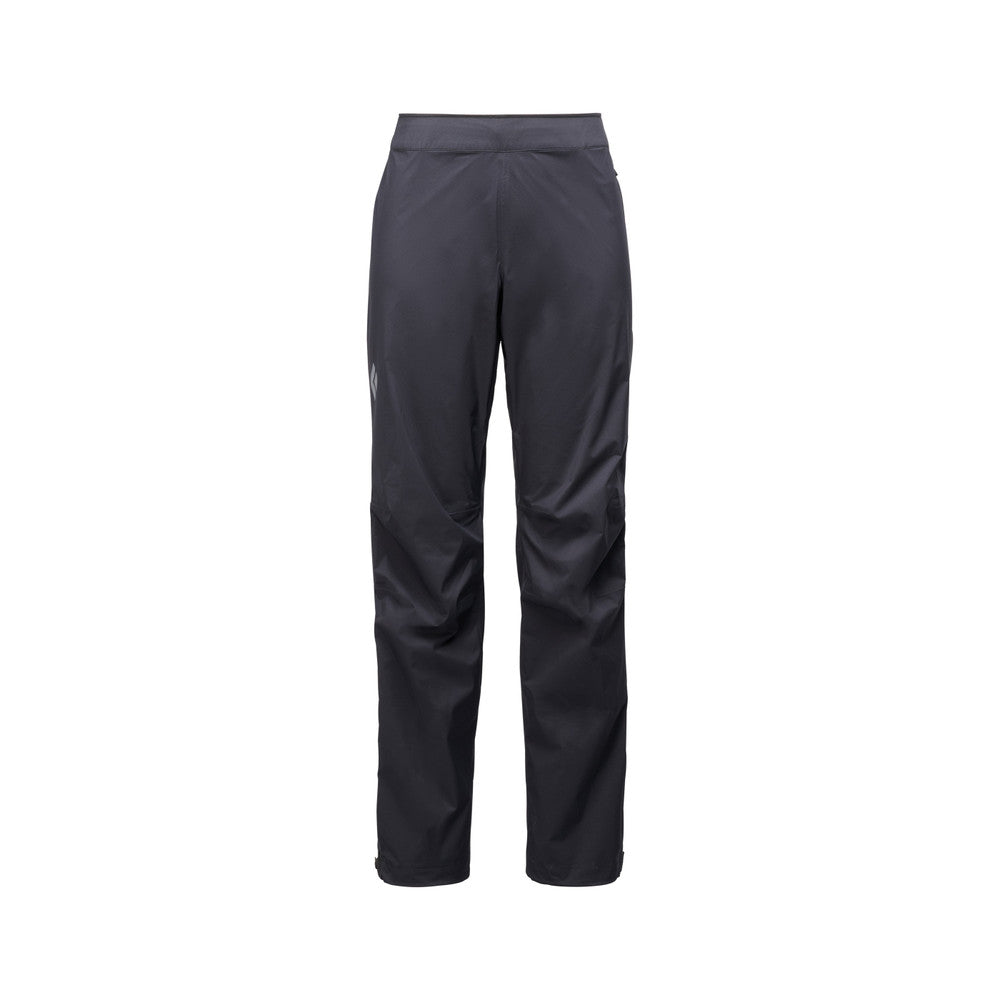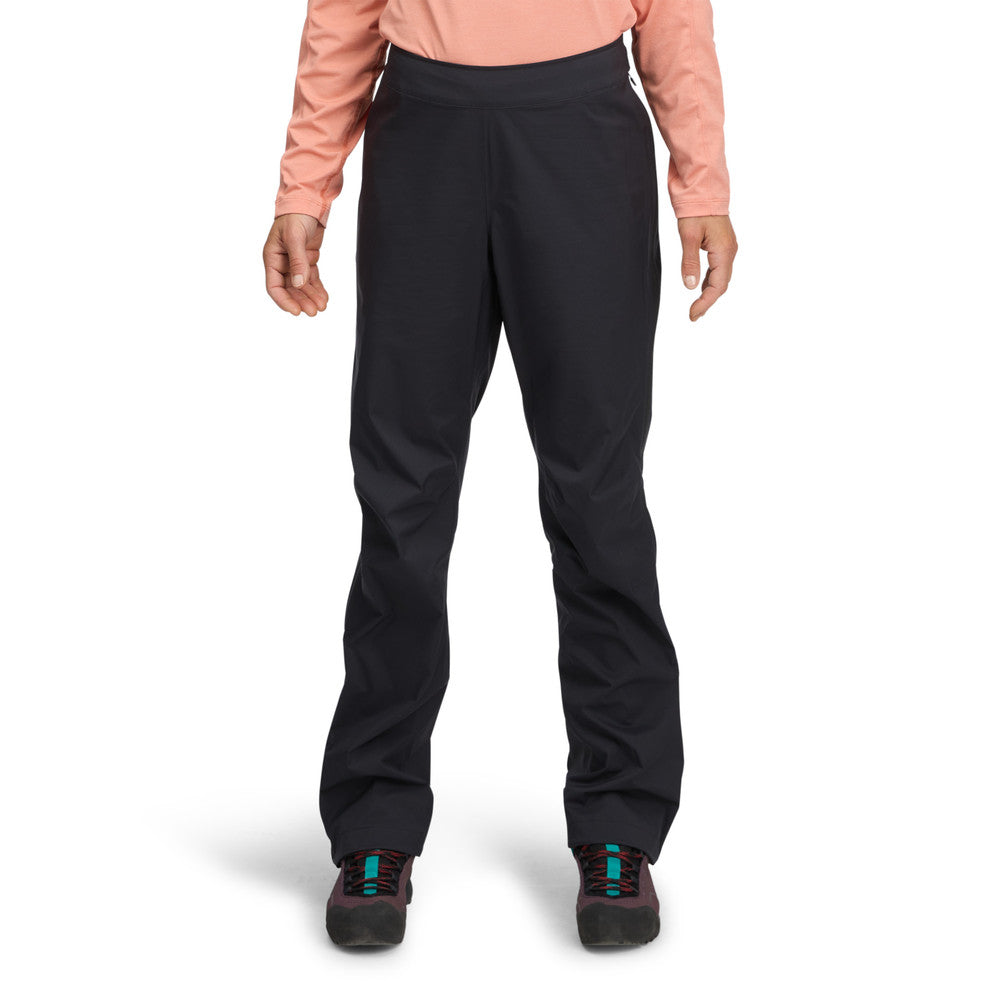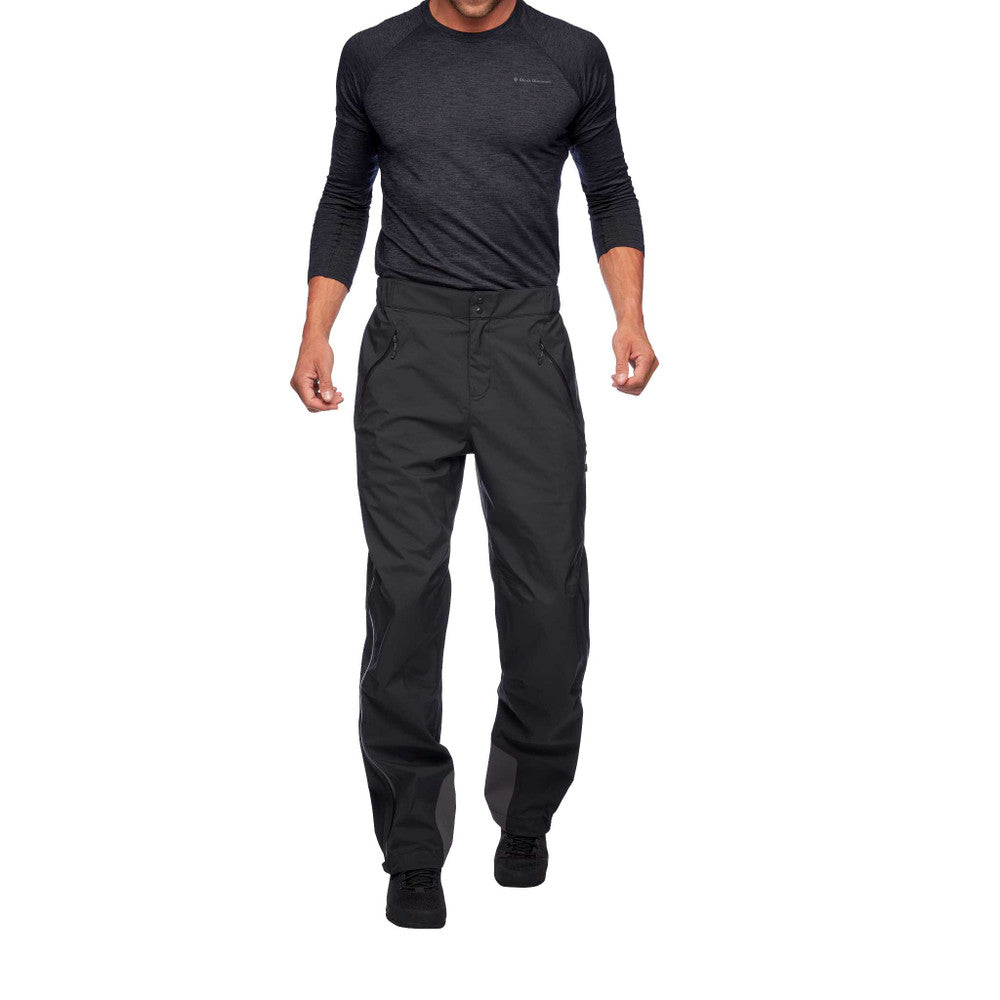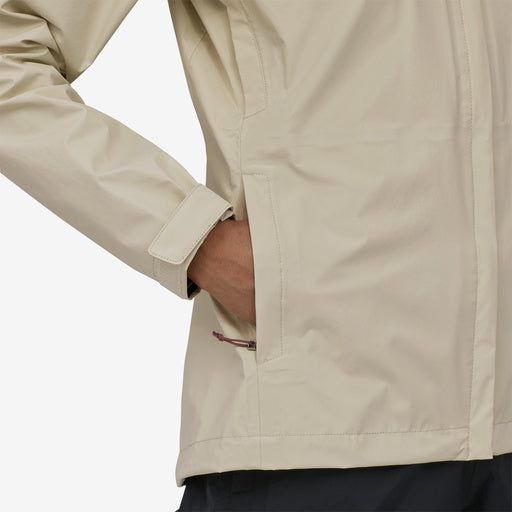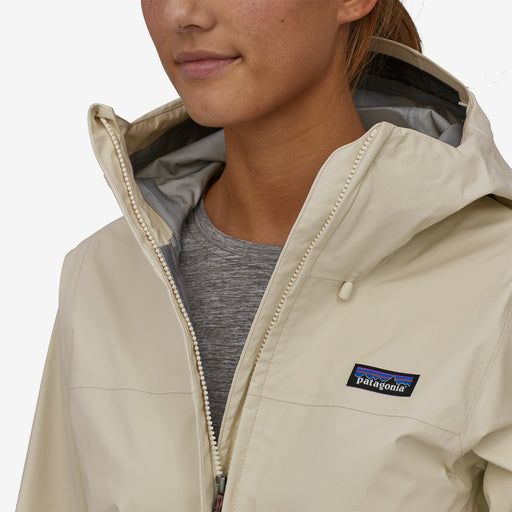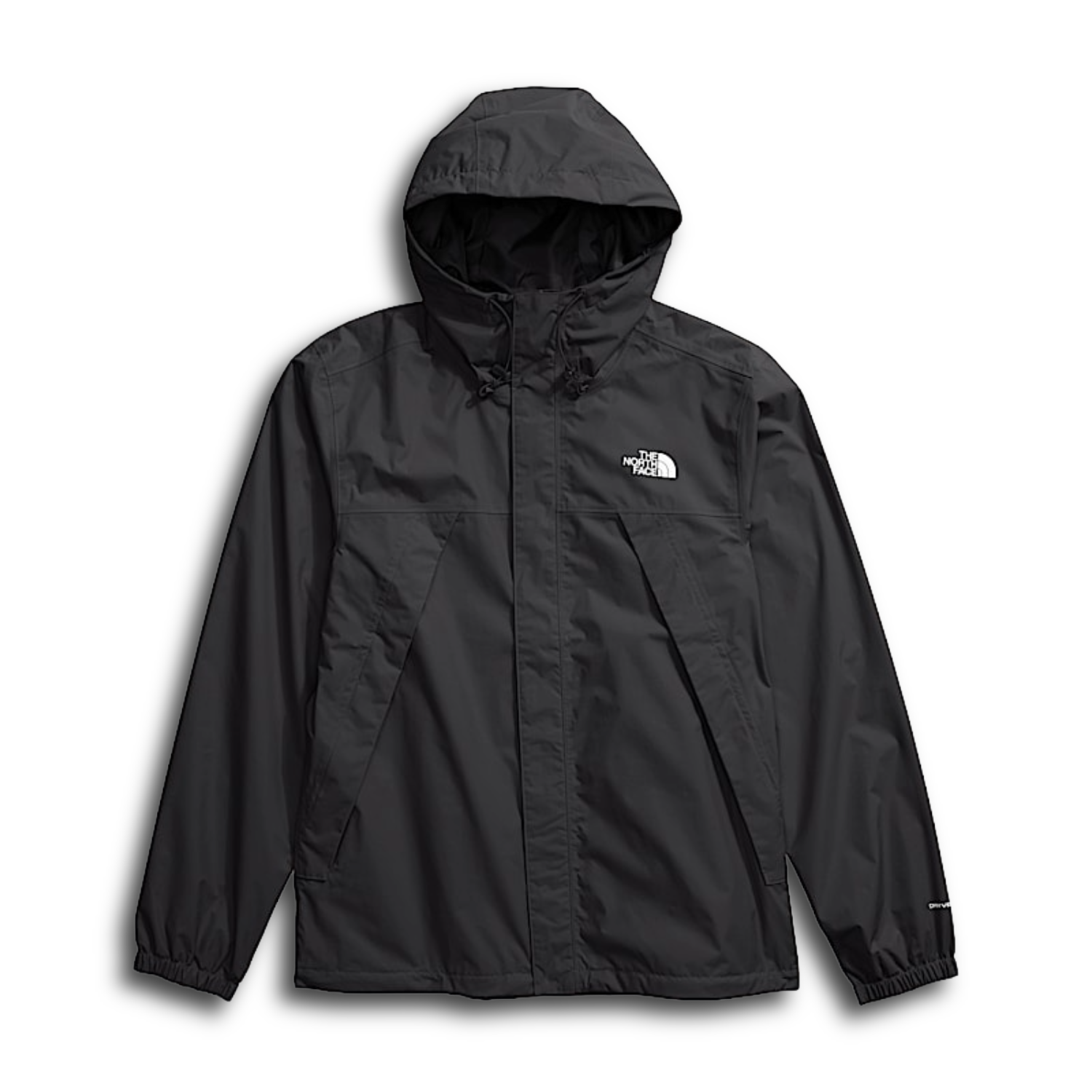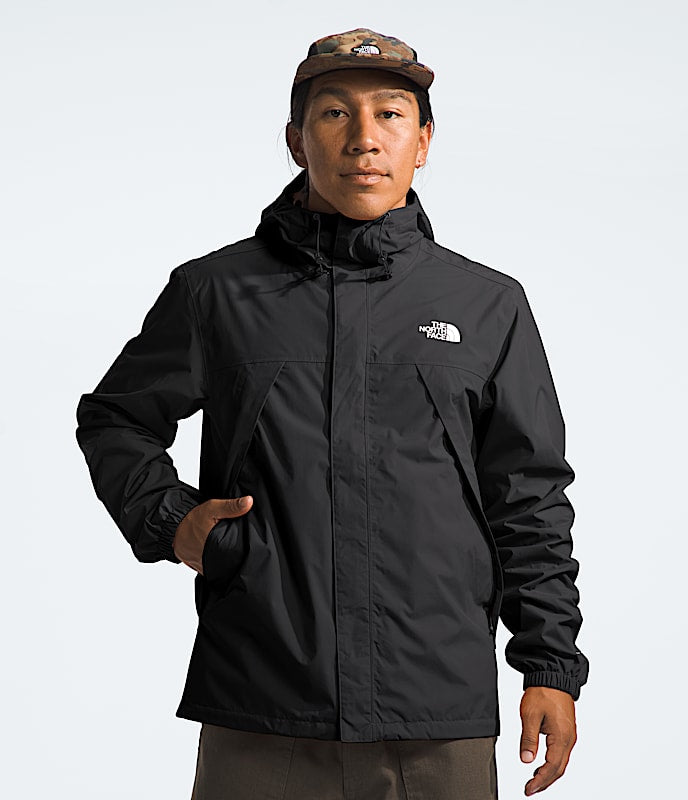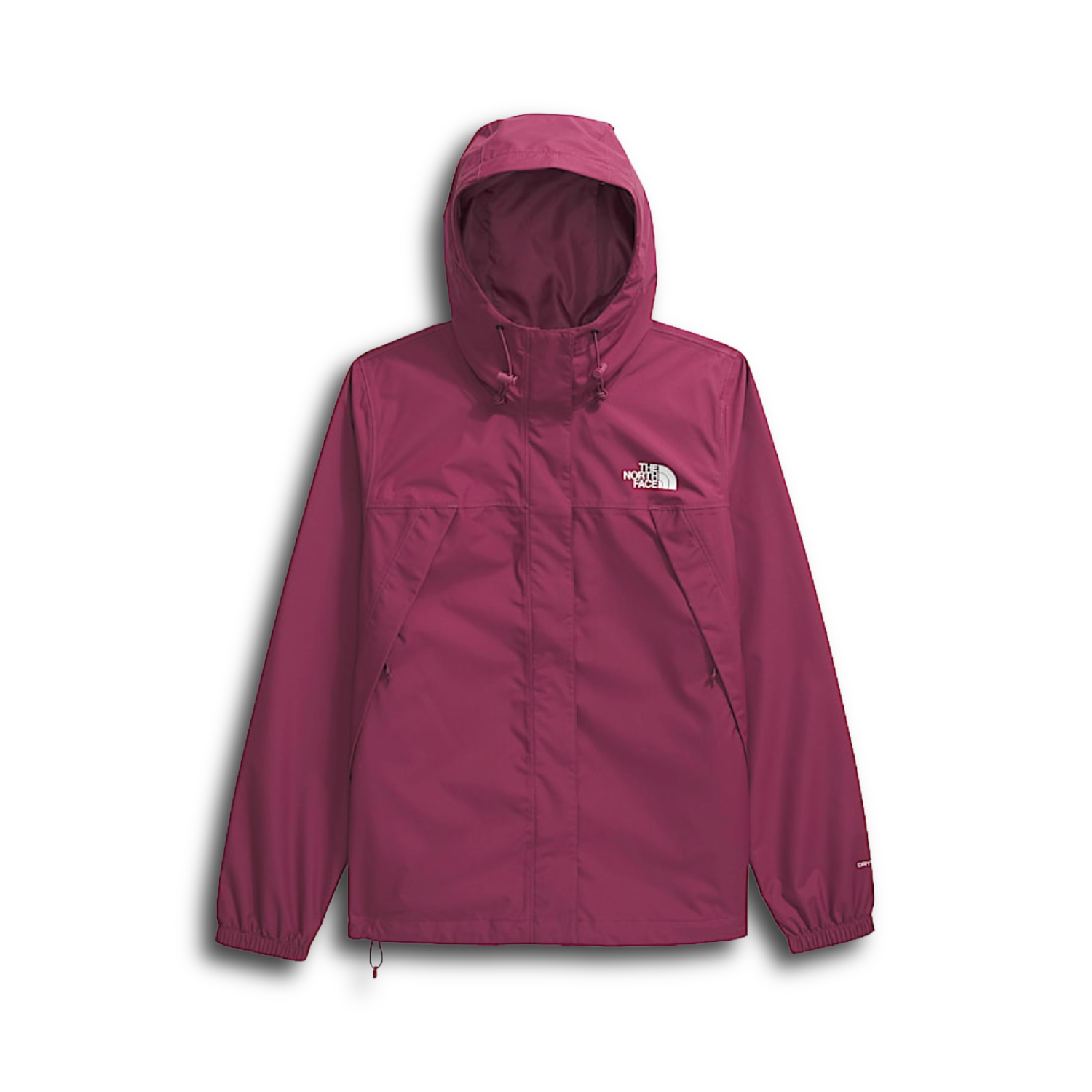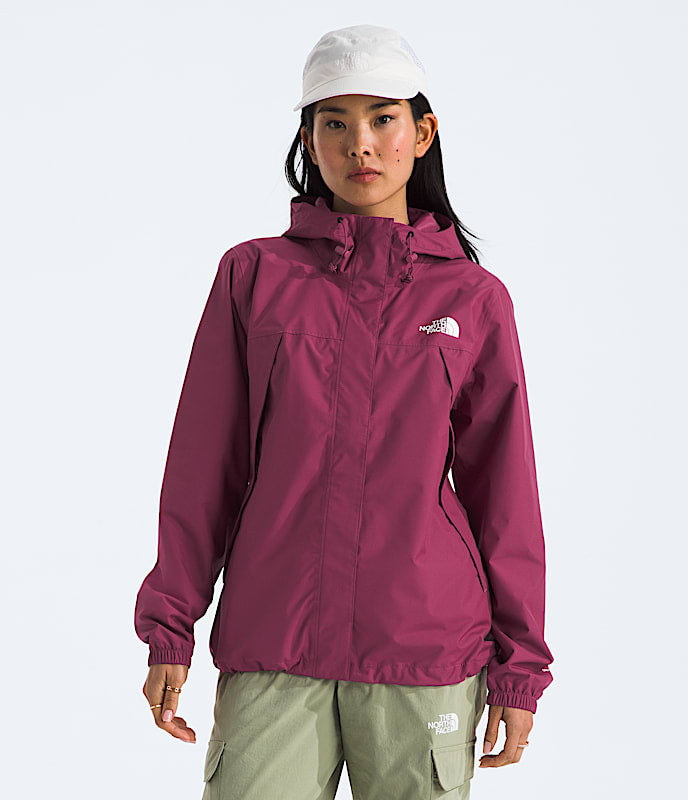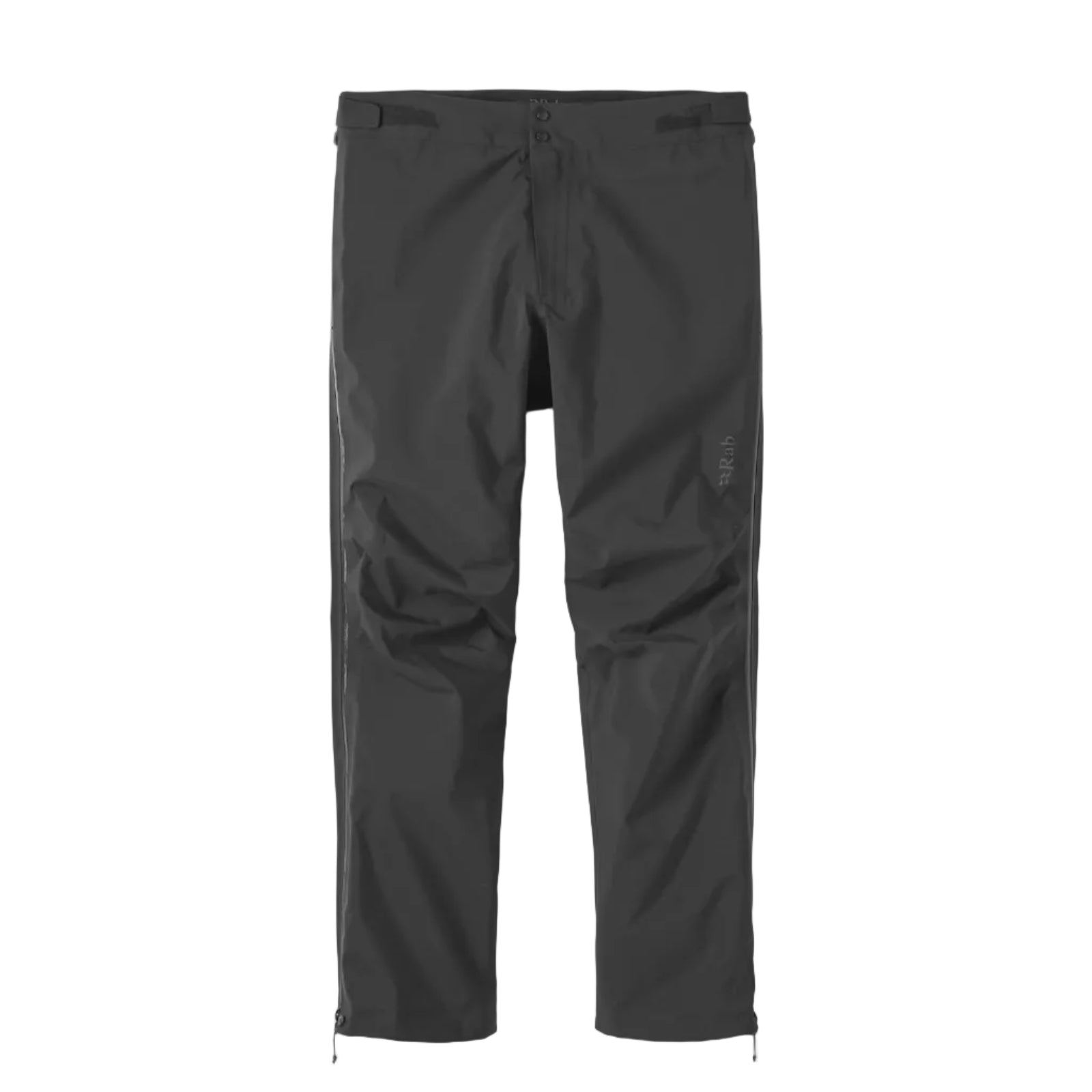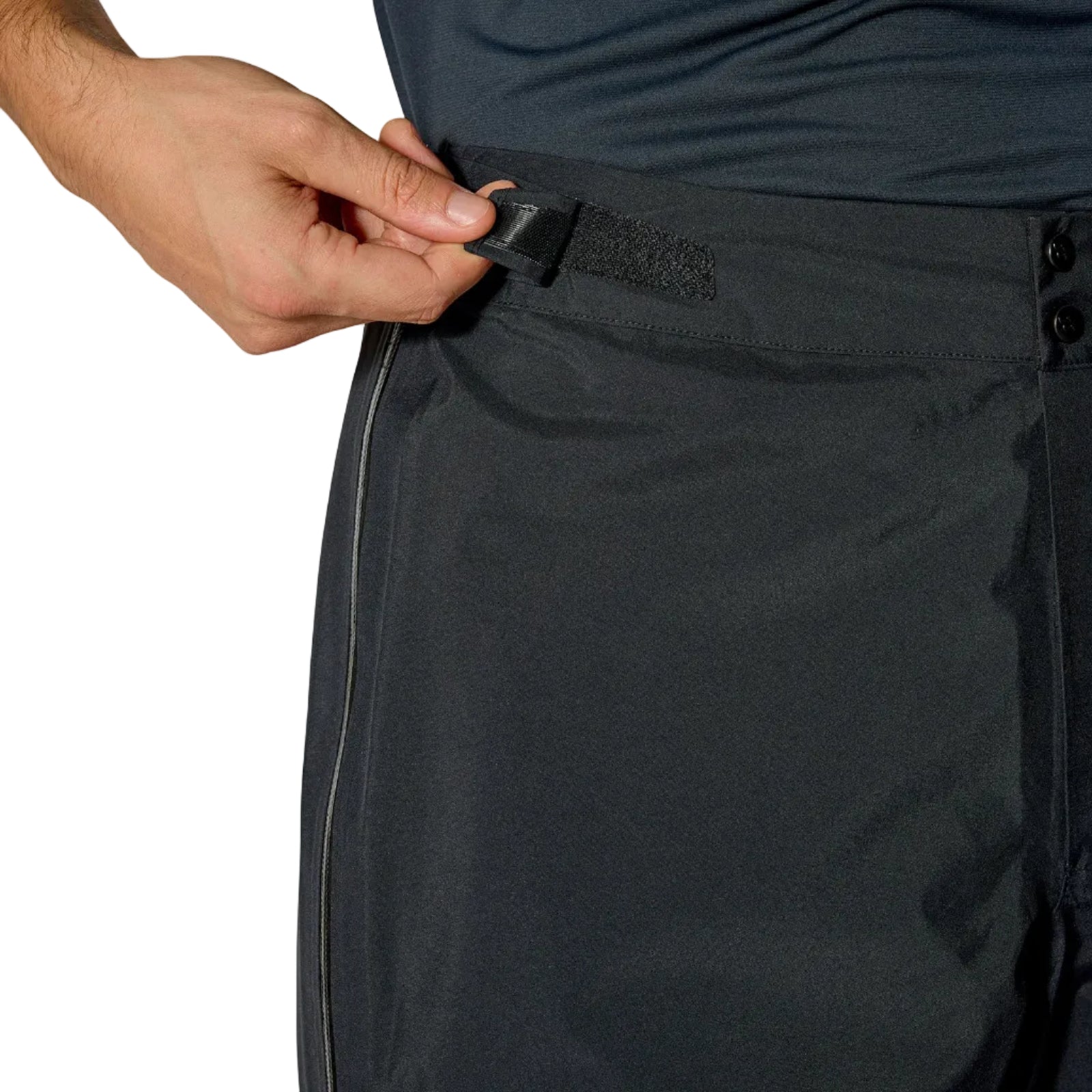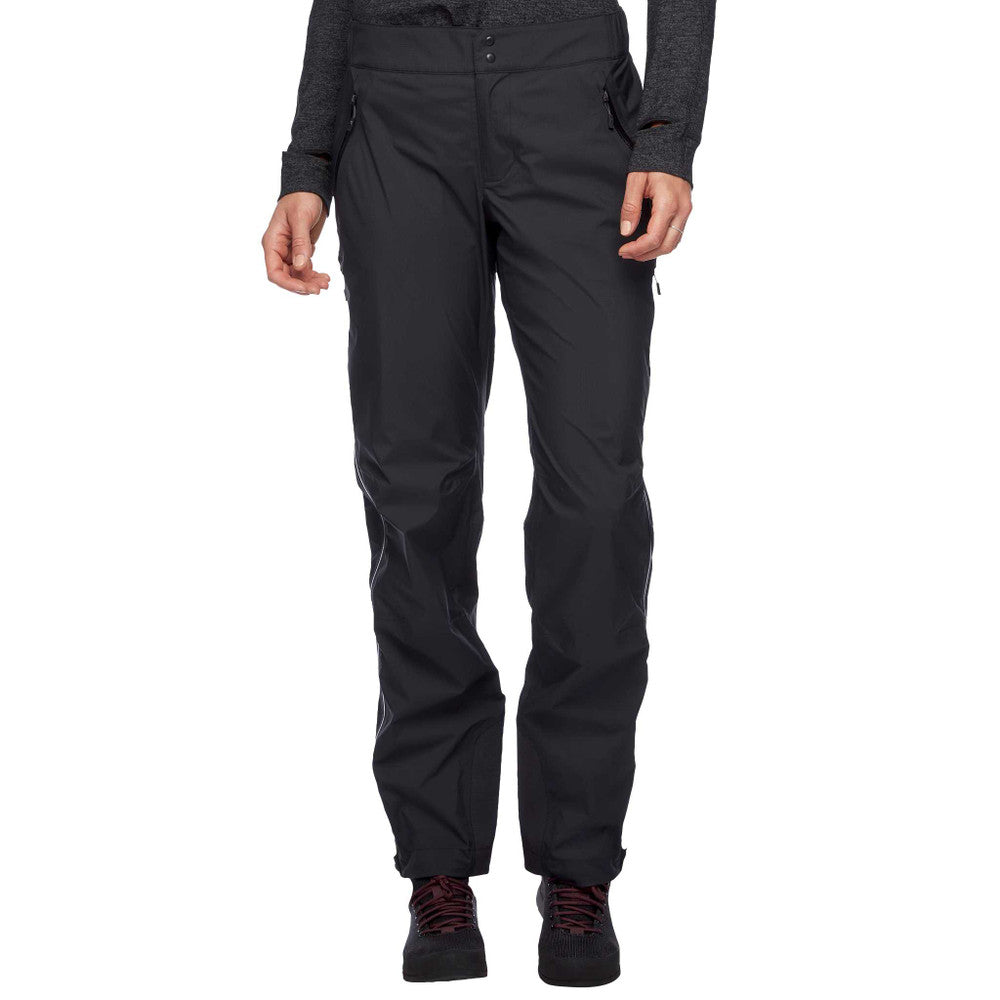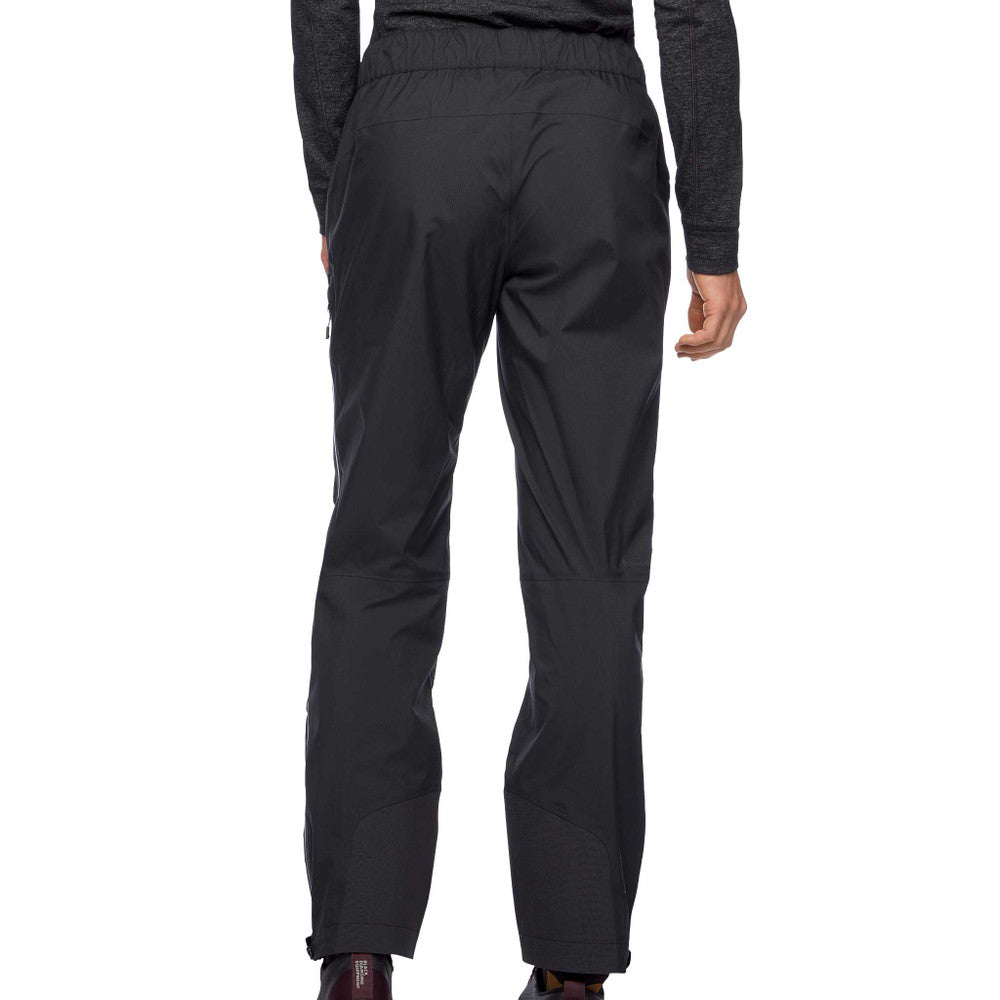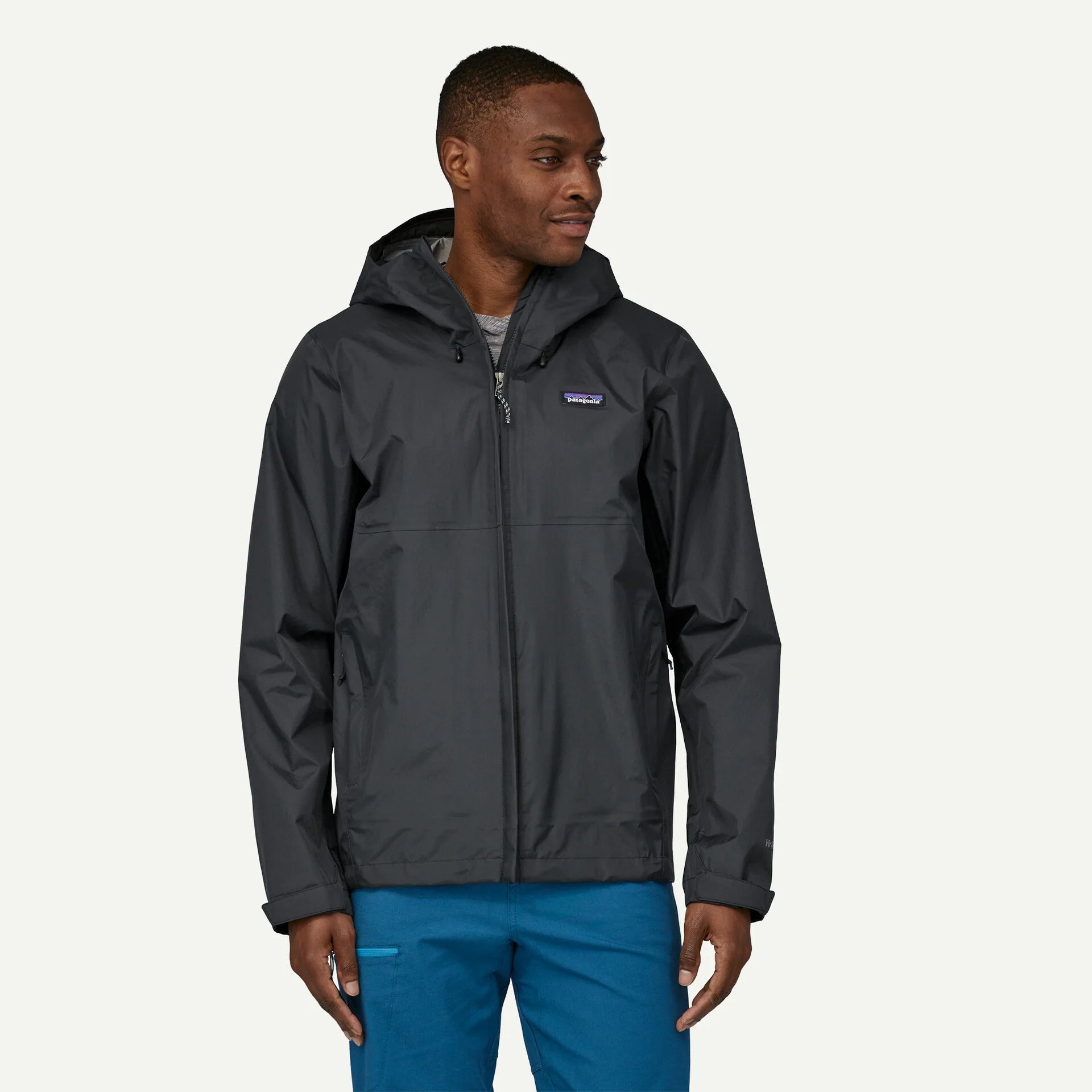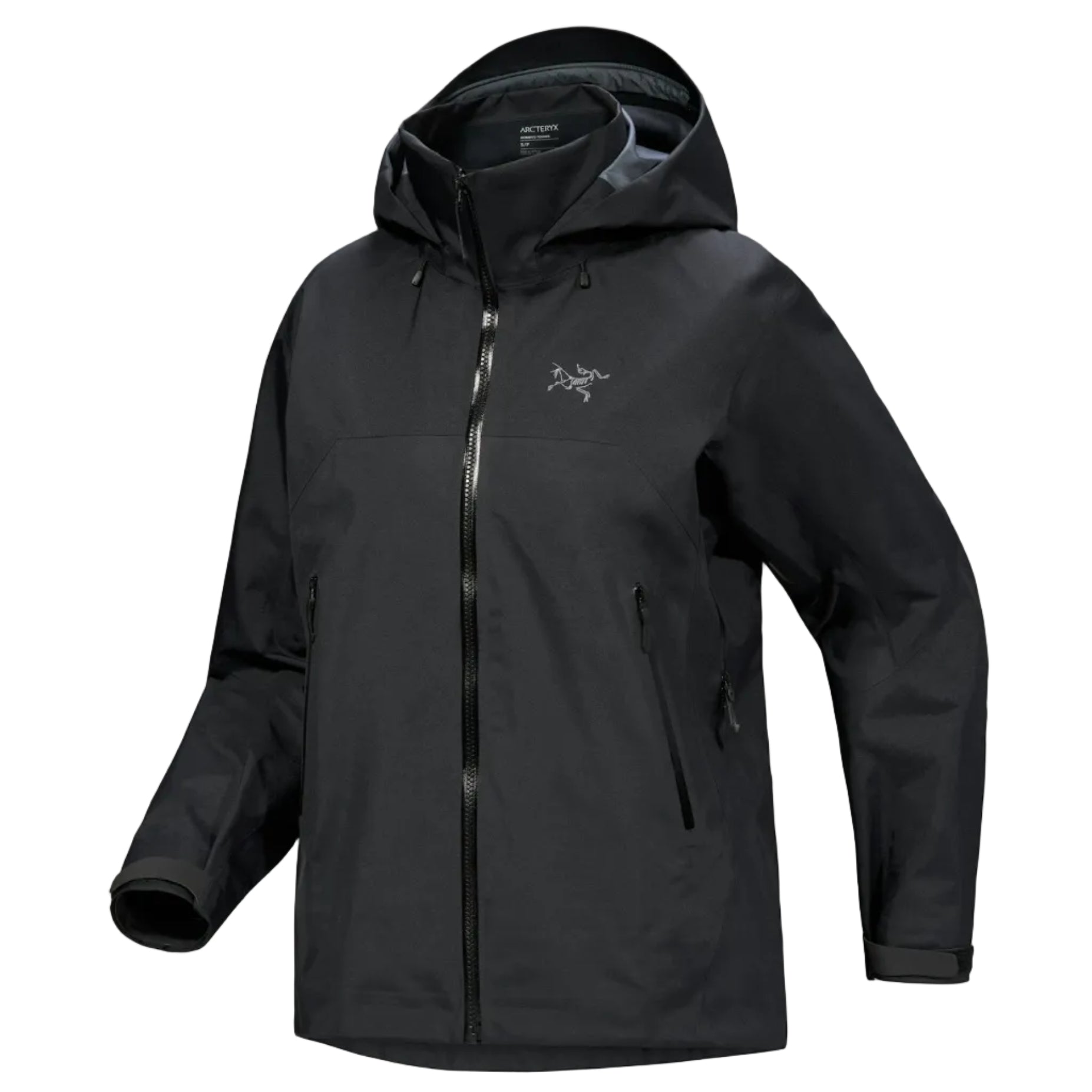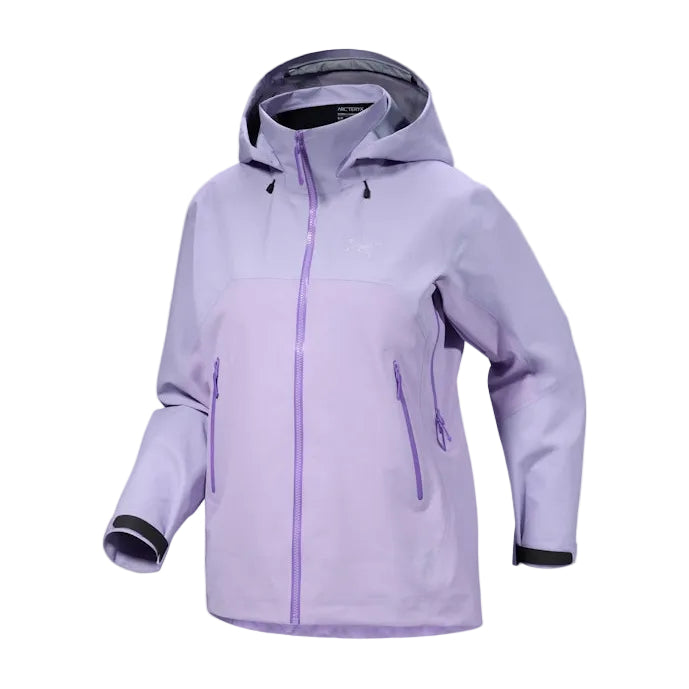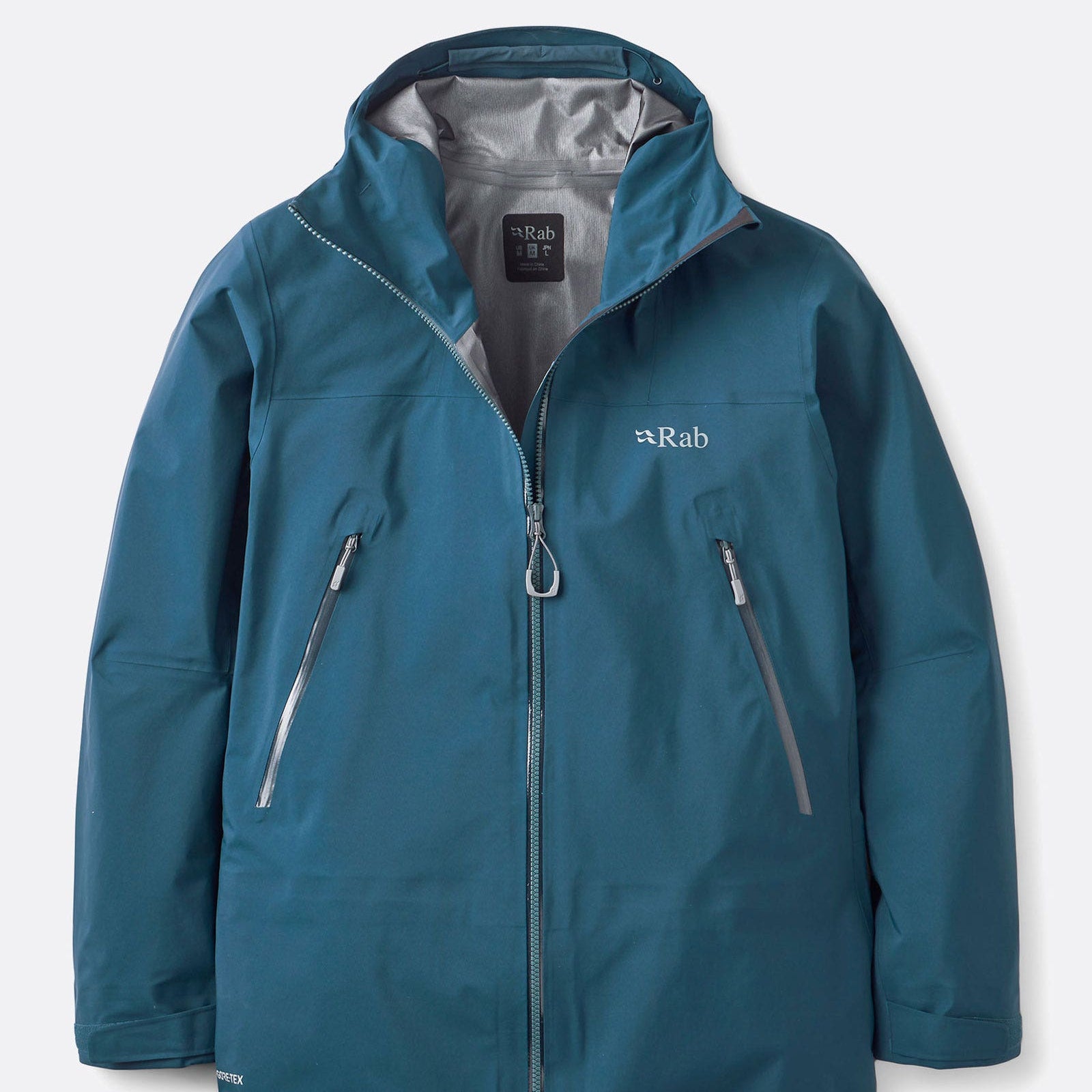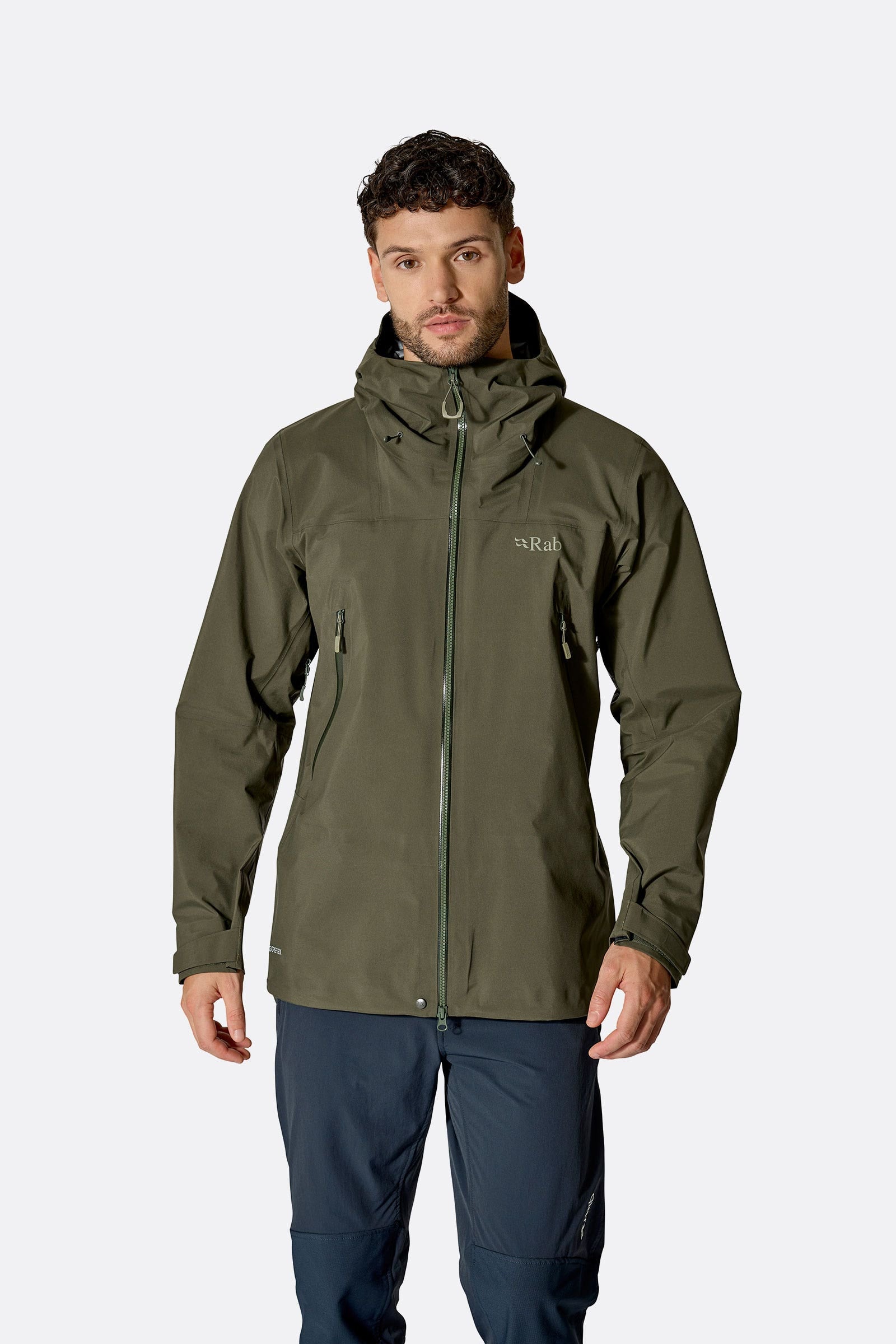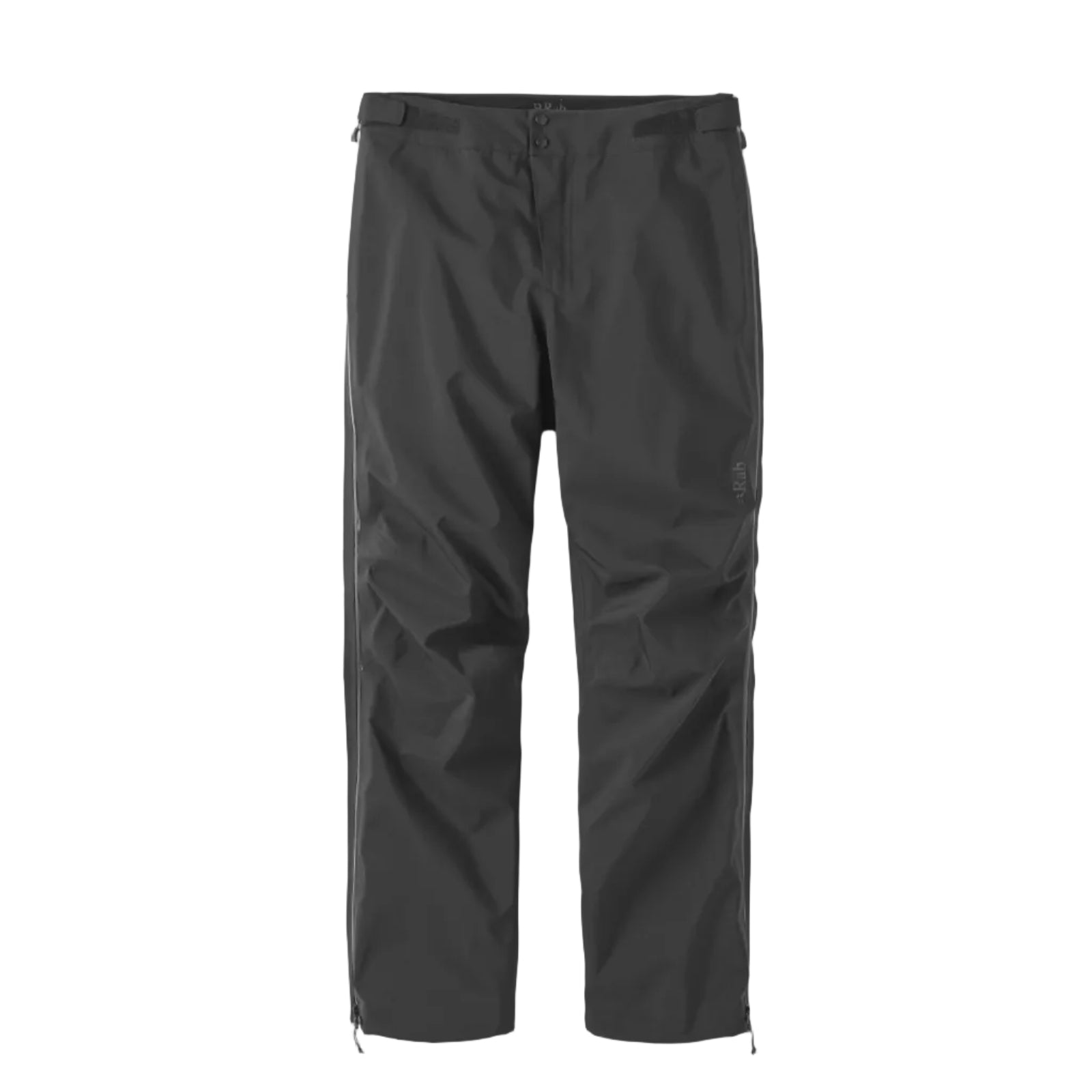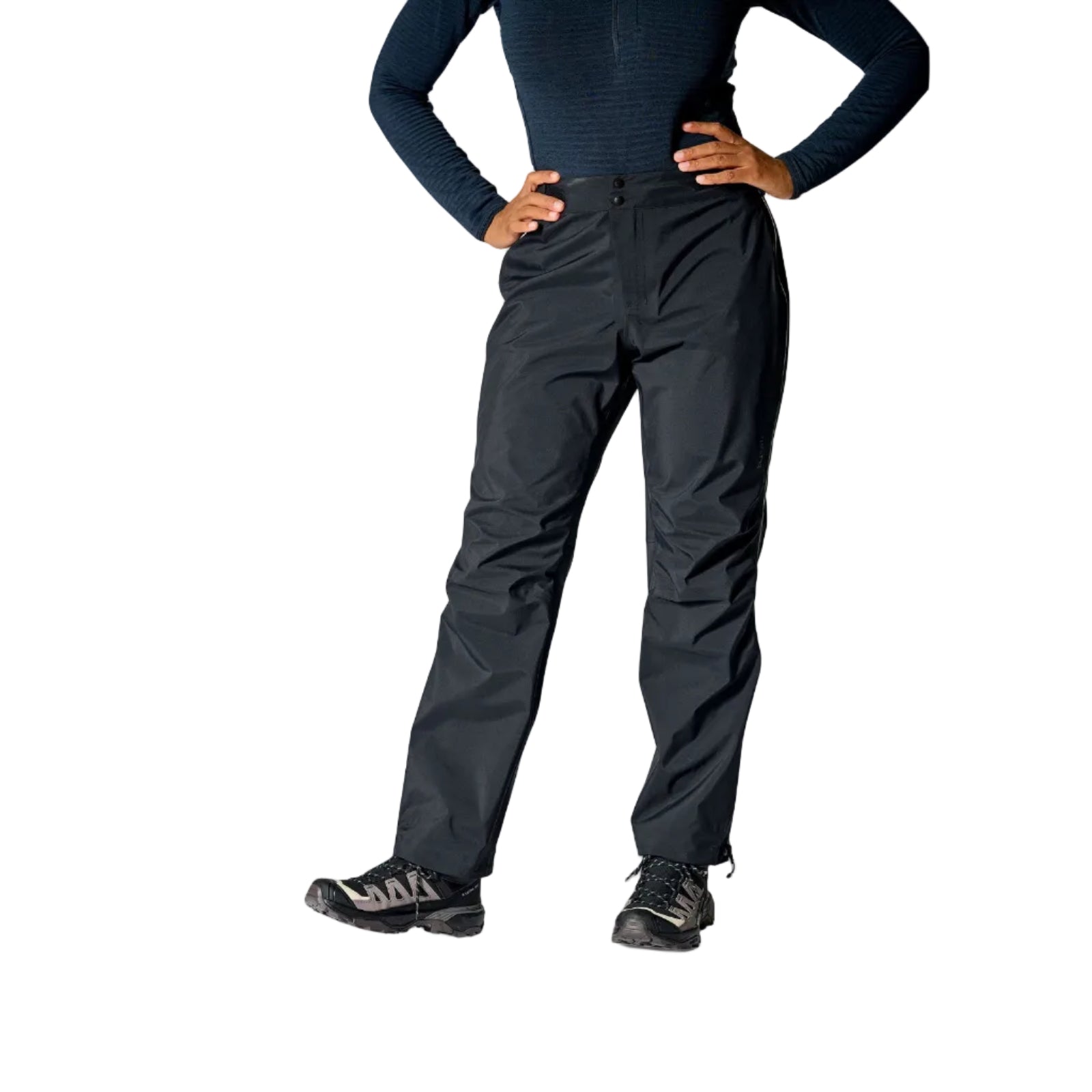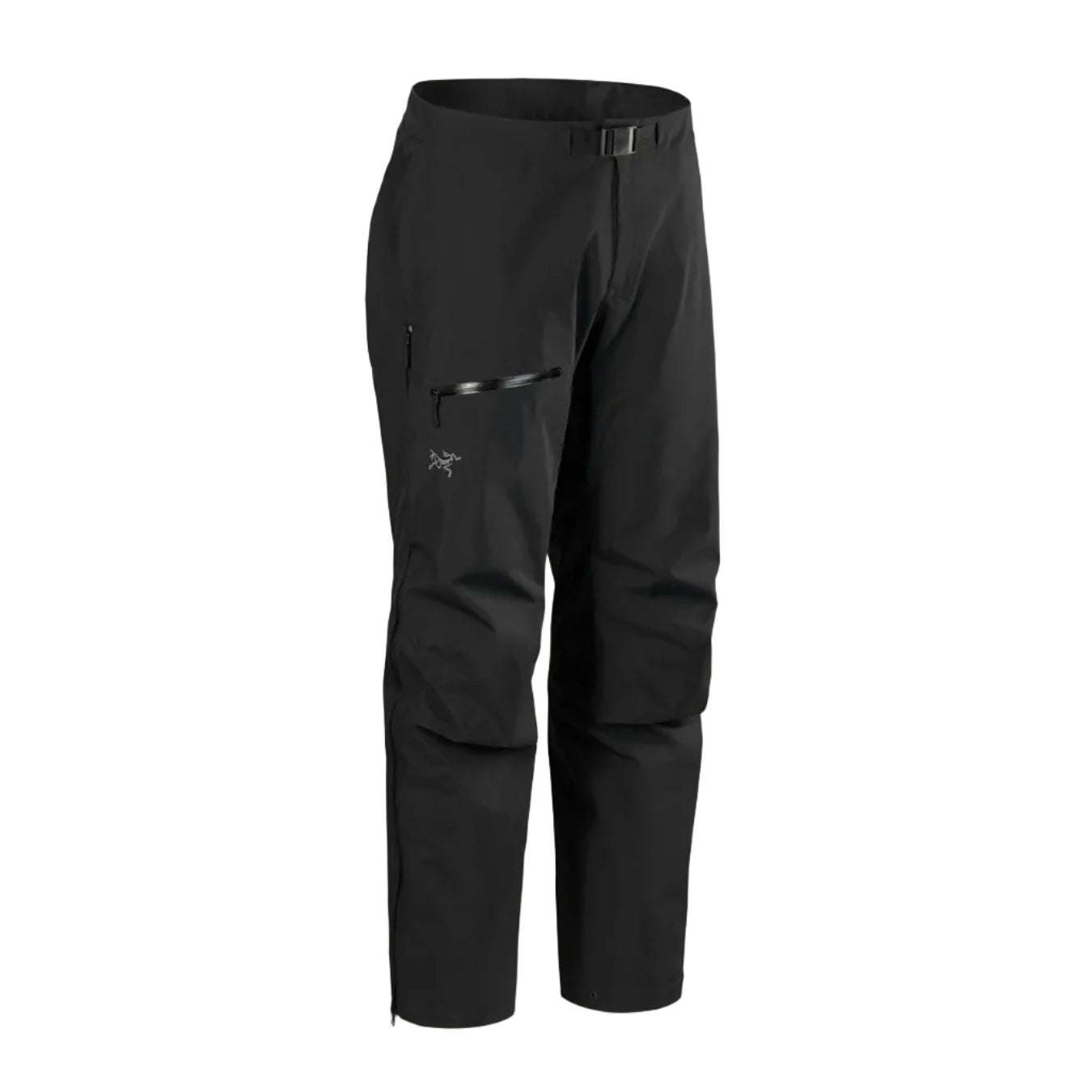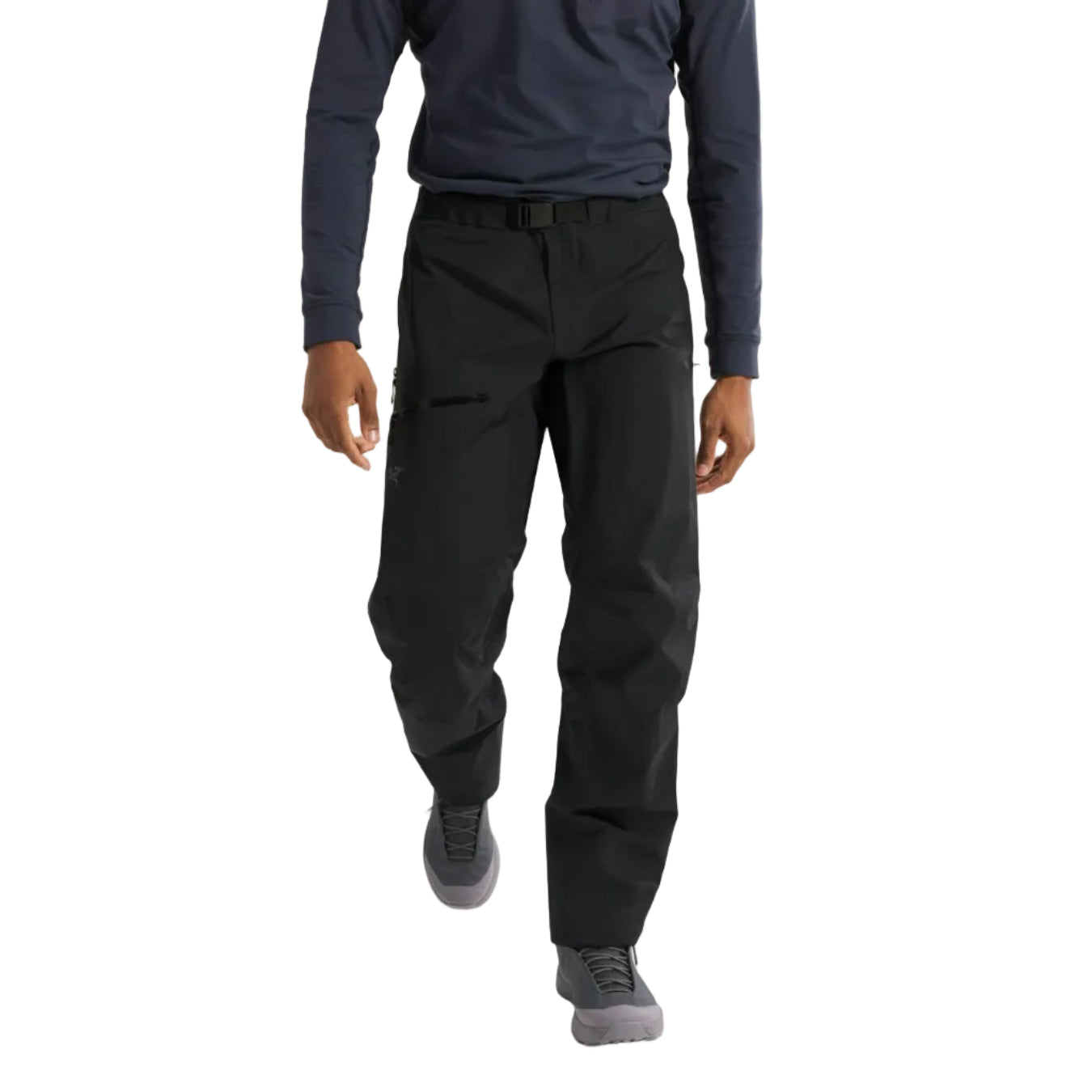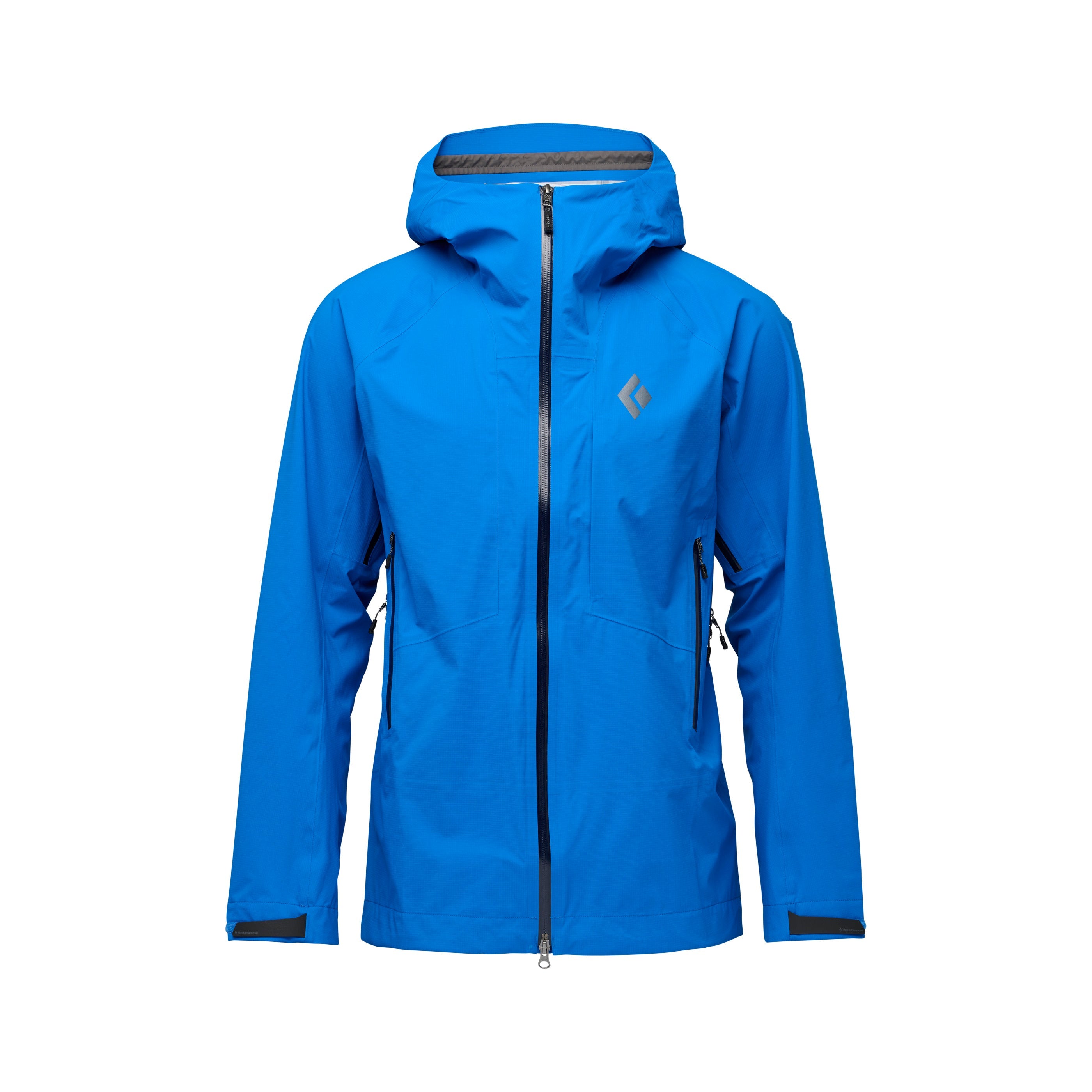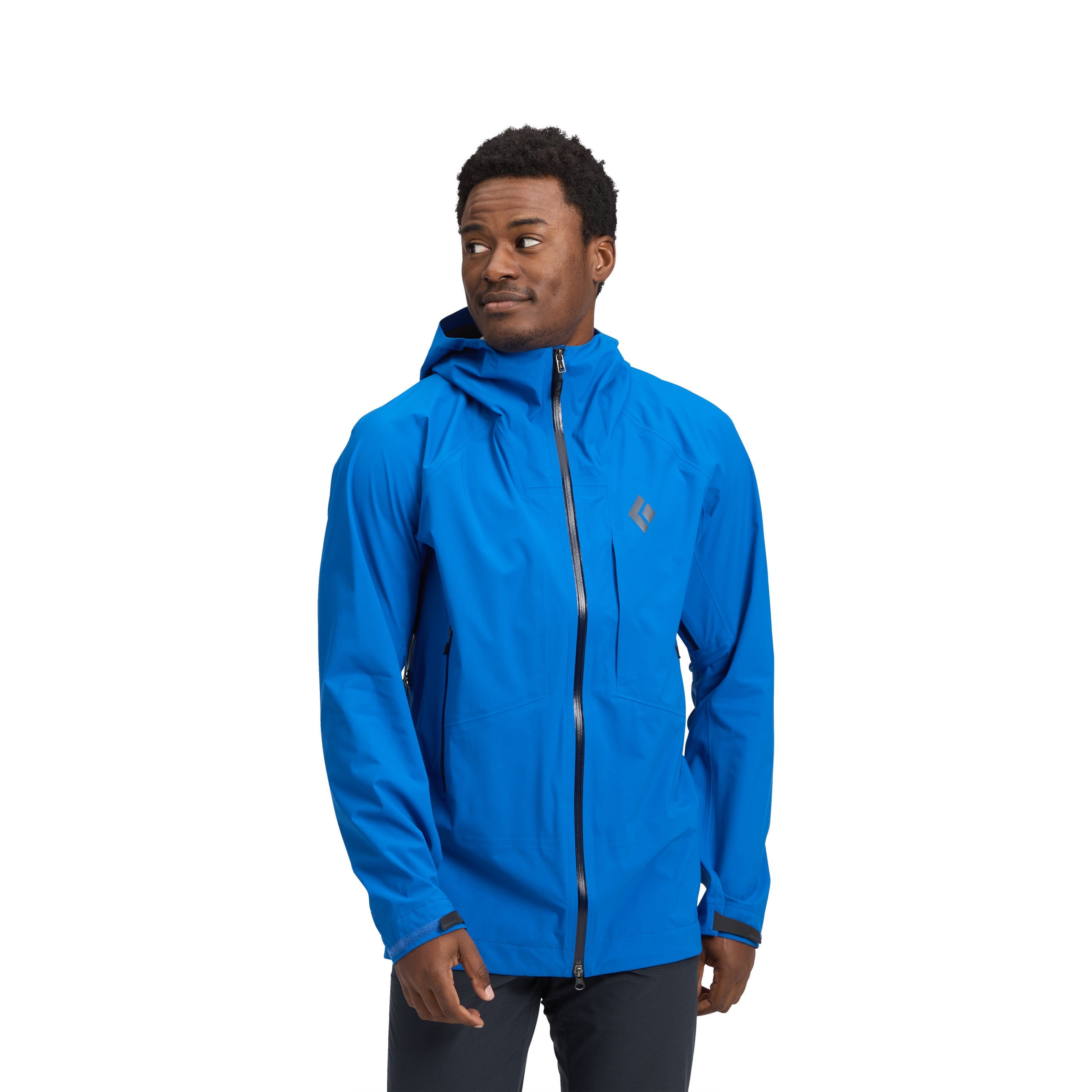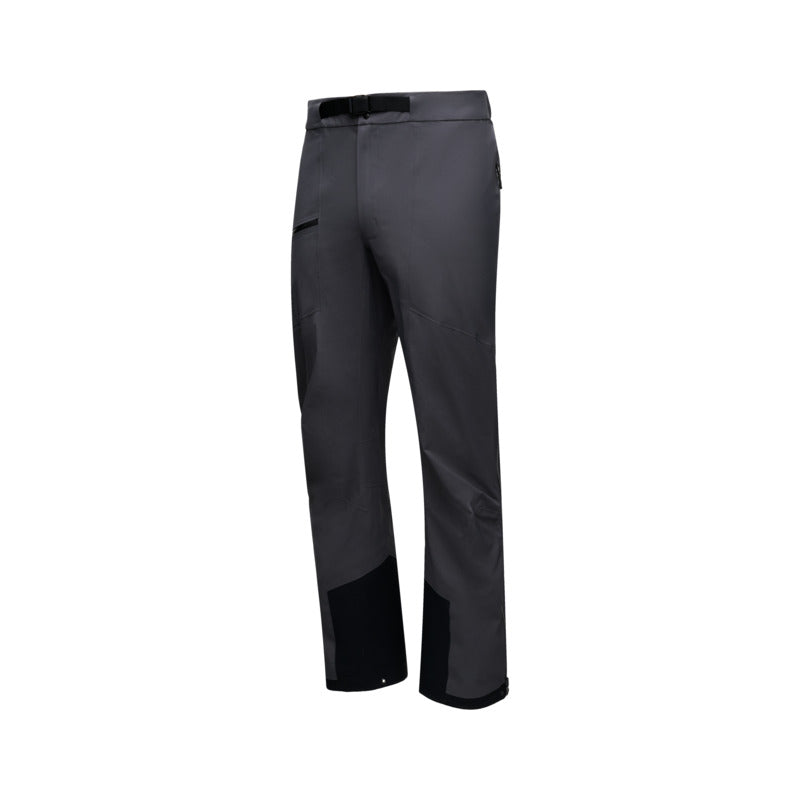



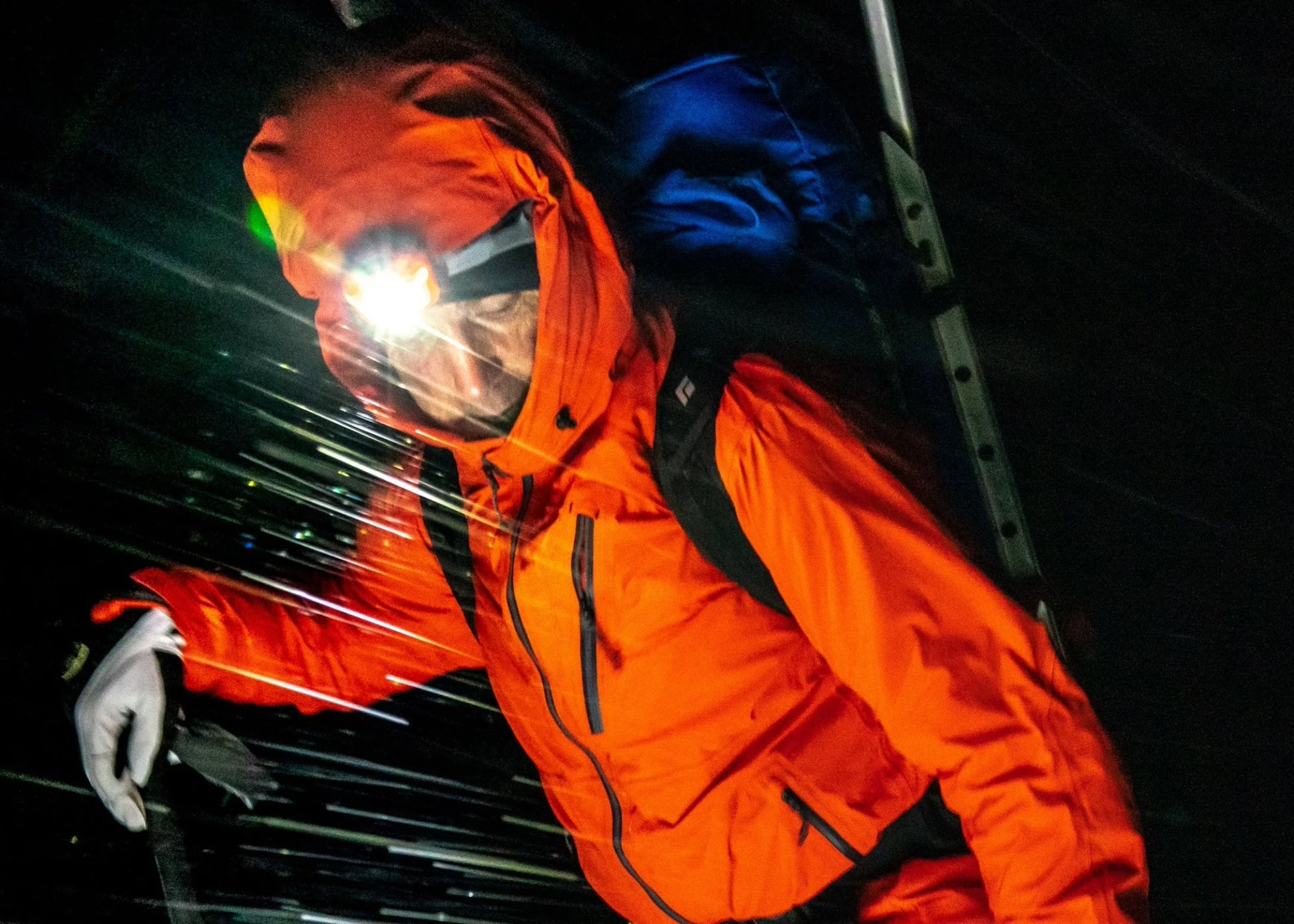
When the weather turns, these don’t blink
Hardshells
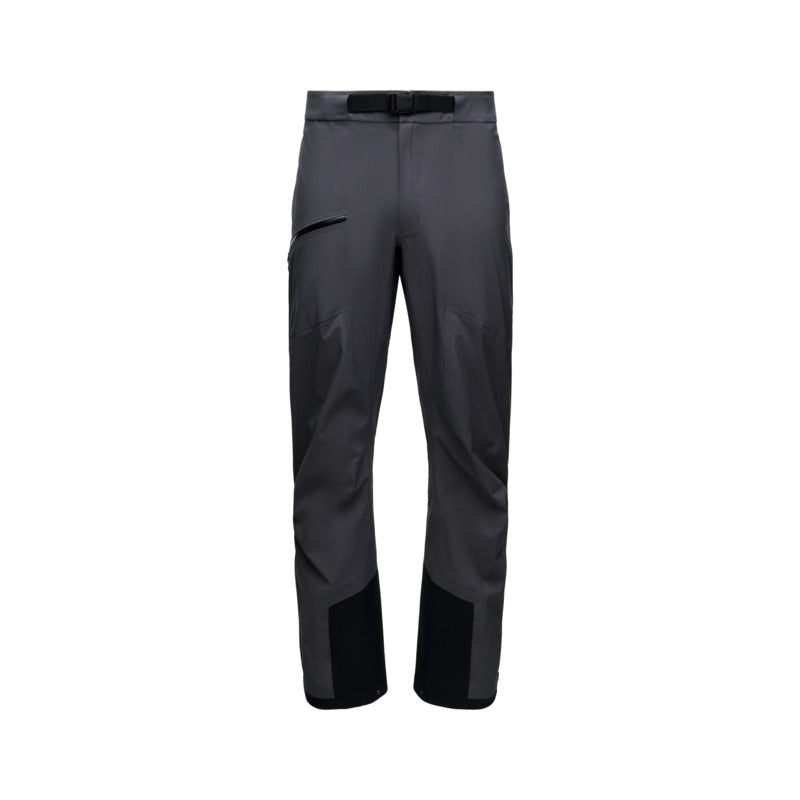
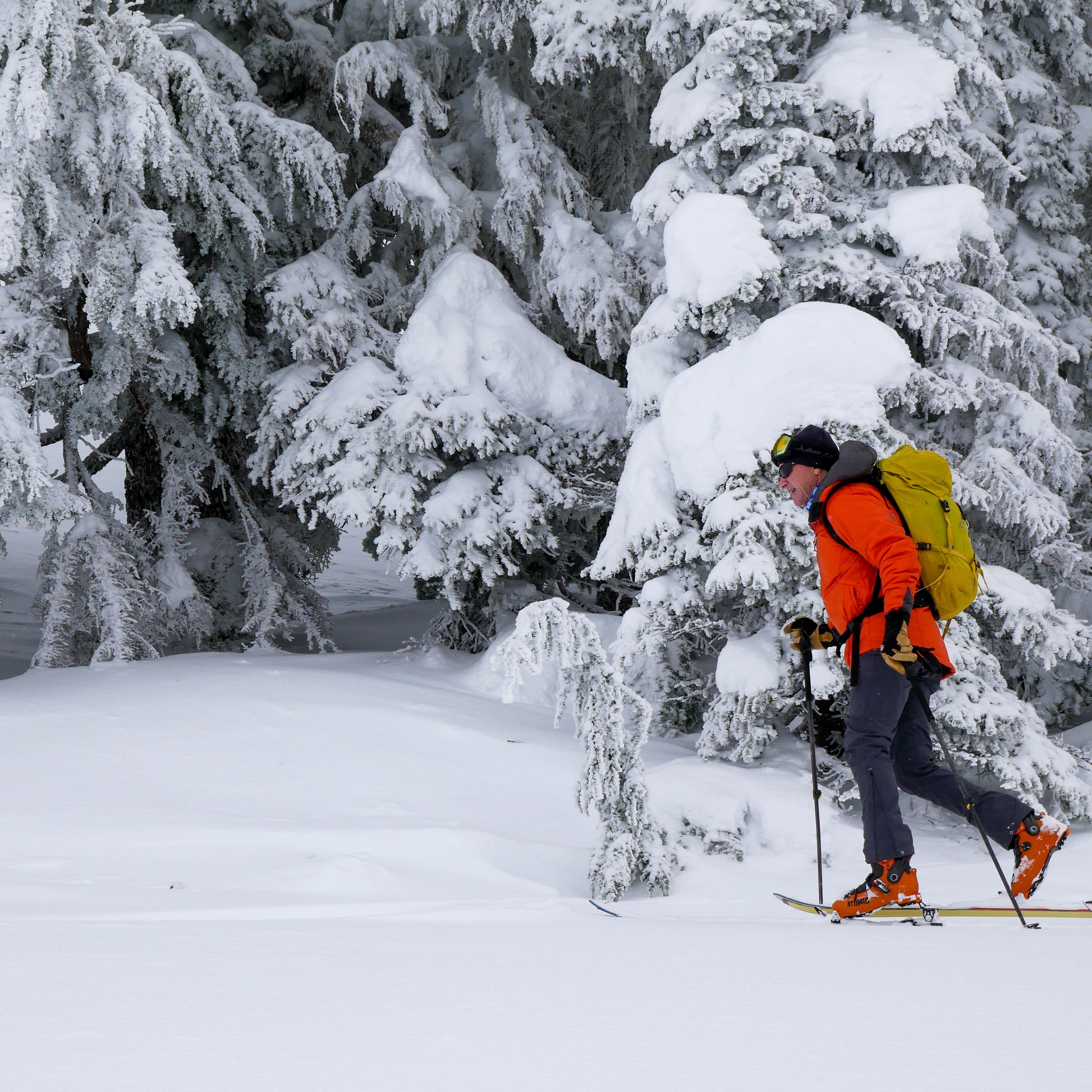
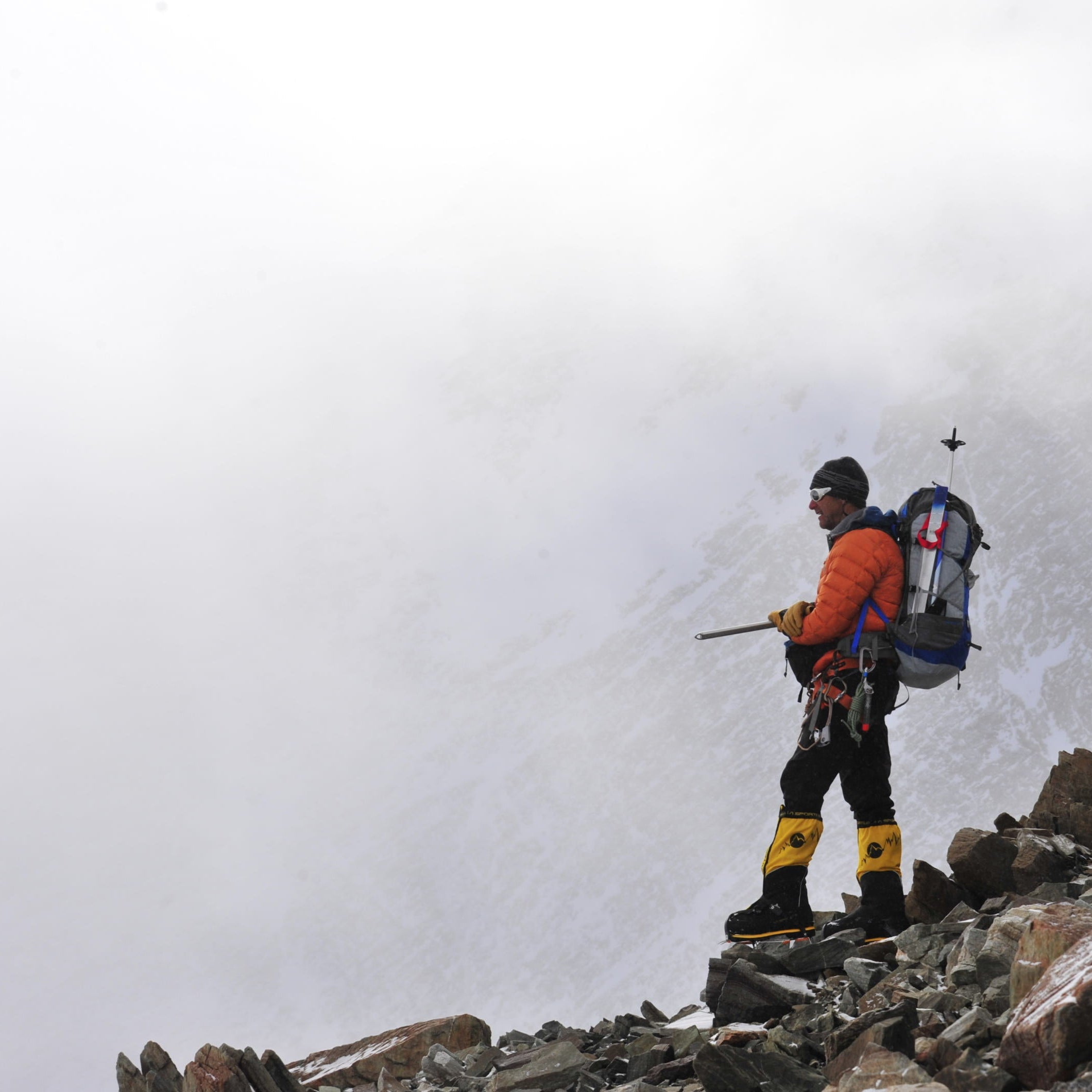
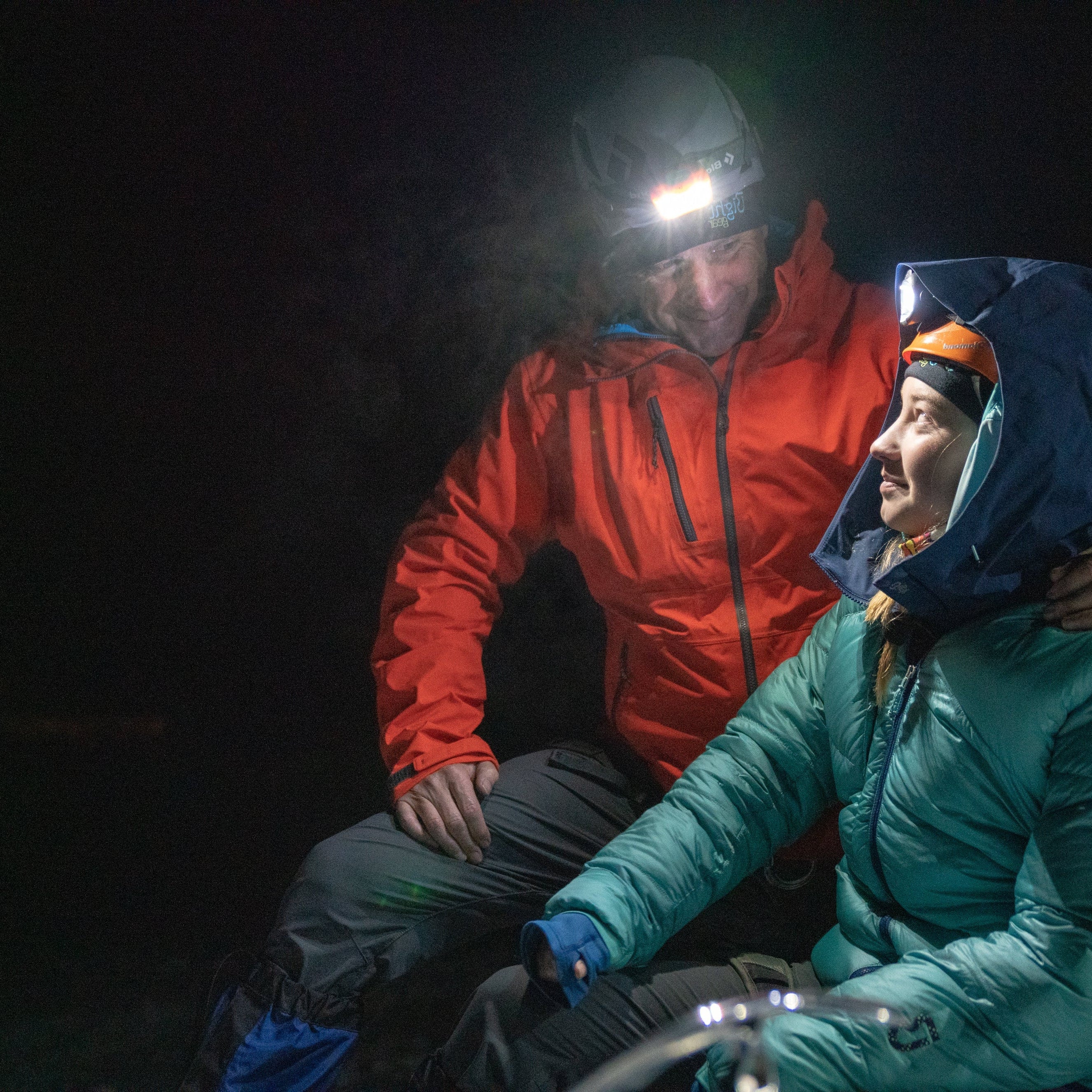
These are the stormproof layers our guides live in — fully waterproof, windproof, and built to handle sideways snow, sleet, and summit squalls. Whether you're headed up Rainier or braving a soggy hike in the Cascades, a good hardshell keeps you moving when everyone else is bailing. Every piece here is guide-approved, ultra-durable, and designed to perform in the worst kind of “type 2” fun.
Field Tested · Guide Endorsed
Guide Picks
Skip the browsing — pick from the cream of the crop. Like our tagline says, we simplify outfitting.
Filters
25 products
1 color available
Your Buying Guide For
Hardshells
Choosing a hardshell can feel complicated, but the basics come down to protection, breathability, and construction. Understanding waterproof ratings and materials helps you pick the right shell for your conditions and budget.
Still have questions? Feel free to reach out!
What does waterproof rating actually mean?
Waterproof ratings measure how much water pressure a fabric can withstand before leaking, usually listed in millimeters. A 10,000 mm rating handles light rain and snow, while 20,000 mm or more is built for sustained downpours or alpine storms. Keep in mind that design details like zippers and seam taping matter as much as the number.
Why do hardshells vary so much in price?
Higher-end shells use more advanced membranes like Gore-Tex Pro or eVent, which offer better breathability and long-term durability. They also feature better seam sealing, zippers, and face fabrics. More affordable options still keep you dry but may wear faster or feel less breathable during high exertion.
What’s the difference between waterproof and water-resistant?
Waterproof shells block moisture completely using a membrane and sealed seams. Water-resistant jackets repel light moisture with coatings or durable water repellents (DWR). For mountaineering, true waterproof protection is the right choice.